Business License

High Performance Engineering Plastics: A Selection Guide for Demanding Applications
High performance engineering plastics are advanced polymer resins engineered to maintain mechanical strength, dimensional stability, and chemical resistance at temperatures and loads that exceed the limits of standard engineering plastics. Common examples include PEEK, PPS, PEI, PAI, and PPA, which retain useful properties continuously above 150 °C and serve applications in automotive, aerospace, medical, electronics, and oil & gas equipment.
Last quarter, a Jiangsu-based automotive supplier nearly lost a contract because the connector housings they specified began softening at 150 °C under the hood. The team had chosen a standard nylon grade to save cost, but the material could not withstand continuous heat near the turbocharger. After switching to a PPA-based grade with better thermal stability, the parts passed validation, and the supplier kept the program. Stories like this are common when manufacturers underestimate the gap between standard and high performance engineering plastics.
If you design or procure components for harsh environments, you already know that material selection can determine whether a product lasts ten years or fails in the field. This guide explains what separates high performance polymers from standard engineering plastics, which grades suit specific conditions, and how to evaluate suppliers who can deliver authentic materials with the documentation your quality system requires.
Key Takeaways
High performance engineering plastics such as PEEK, PPS, PEI, PAI, and PPA retain properties above 150 °C and resist aggressive chemicals where standard grades fail.
Selection should be driven by continuous operating temperature, mechanical load, chemical exposure, electrical requirements, and total cost over the product life.
Automotive under-hood, aerospace interiors, medical devices, electrical connectors, and oil & gas equipment are the largest application areas.
Standard engineering plastics like POM, PC, ABS, and nylon remain the right choice for many applications; upgrade only when performance requirements justify the cost.
Authorized distributors provide batch traceability, technical data sheets, and certificates of analysis that protect against counterfeit or off-spec resin.
What Makes a Plastic "High Performance"?
The term "high performance engineering plastics" refers to thermoplastics that operate reliably at the upper end of the temperature, chemical, and mechanical envelope. While standard engineering plastics such as POM, PC, ABS, and PBT typically serve applications up to approximately 100–130 °C, high performance grades maintain structural integrity at 150 °C and above, with some materials like PEEK and PAI performing continuously above 250 °C.
Three characteristics separate these materials from the broader engineering plastics category.
Higher continuous service temperature. Heat deflection temperature (HDT) and continuous use temperature are the first figures most engineers review. PEEK offers continuous service temperatures around 250 °C, PPS around 220 °C, and PEI around 170 °C. These values allow designers to replace metal in applications where weight reduction matters but heat resistance cannot be compromised.
Superior chemical and environmental resistance. High performance polymers resist oils, fuels, acids, bases, and solvents that would degrade ABS, PC, or standard nylon. PPS resists automotive fluids and hydrolysis. PEEK withstands hydrocarbons and steam sterilization. This chemical stability makes them essential in medical, chemical processing, and under-hood automotive parts.
Retention of mechanical properties under load. Creep resistance, fatigue life, and dimensional stability at elevated temperature distinguish high performance grades. PAI and PEEK retain stiffness and wear resistance where standard materials soften or deform over time.
However, these benefits come with trade-offs. Raw material cost is higher, processing windows are narrower, and some grades require specialized drying, mold temperatures, or equipment. The decision to specify a high performance polymer should always start with a clear performance requirement, not a desire to use the most advanced material available.
Common High Performance Engineering Plastics and Their Properties
Understanding the property profile of each major high performance polymer helps narrow the field quickly. The following materials represent the most frequently specified high performance engineering plastics in industrial applications. You can compare published property data for these grades on MatWeb, a widely used engineering materials database.
PEEK (Polyether Ether Ketone)
PEEK is one of the most versatile high performance engineering plastics. It offers continuous use temperature up to 250 °C, excellent chemical resistance, low moisture absorption, and good wear and fatigue properties. Unfilled PEEK is often used for seals, bearings, and medical implants. Glass-filled and carbon-filled grades increase stiffness and dimensional stability for structural automotive and aerospace components.
PPS (Polyphenylene Sulfide)
PPS delivers outstanding chemical resistance, especially to automotive fluids, and performs continuously around 220 °C. It is inherently flame retardant and dimensionally stable, making it a common choice for electrical connectors, fuel system components, and pump housings. PPS is often filled with glass fiber to improve mechanical strength.
PAI (Polyamide-Imide)
PAI provides the highest mechanical strength and stiffness among melt-processible thermoplastics, with continuous service temperatures up to 260 °C. It excels in severe-service bearings, valve seats, and aerospace components. PAI requires high mold temperatures and post-cure processing, so it is generally reserved for the most demanding metal-replacement applications.
PEI (Polyetherimide)
PEI, often recognized by the brand name Ultem, offers a balance of high heat resistance, flame retardancy, and electrical insulation. With a continuous use temperature around 170 °C and excellent dimensional stability, PEI is widely used in electrical connectors, medical sterilization trays, and aircraft interior components.
PPA (Polyphthalamide) and High-Performance Polyamides
PPA polyphthalamide, along with PA46 and PA6T, bridges the gap between standard nylon and ultra-high-performance polymers. These materials retain stiffness and strength at elevated temperatures and resist moisture better than PA6 or PA66. PPA is frequently specified for automotive connectors, LED reflectors, and under-hood components where standard nylon would soften.
Want help matching a specific application to the right grade? Contact our technical support team for application-focused recommendations.
Key Selection Criteria for Demanding Applications
Choosing between high performance engineering plastics requires more than comparing temperature ratings. A structured evaluation prevents over-engineering and avoids costly field failures.
Continuous Operating Temperature
Begin with the maximum temperature the part will see in service, including short-term peaks. Add a safety margin for hotspots, assembly stress, and thermal cycling. If the part sees 150 °C continuously, a material rated for 170 °C may be necessary to account for localized heating.
Mechanical Load and Creep
Review tensile strength, flexural modulus, and creep resistance at service temperature. A material that looks strong at room temperature may deform under load at 150 °C. For structural components, filled grades often provide the stiffness required at elevated temperature.
Chemical Exposure
List all fluids, cleaning agents, and environmental conditions the part will contact. PEEK resists hydrocarbons and sterilants. PPS resists automotive fluids and hydrolysis. Standard nylon absorbs moisture and may hydrolyze in hot water, while PPA and high-performance polyamides offer improved resistance.
Electrical Requirements
For electrical connectors and housings, review dielectric strength, comparative tracking index (CTI), and flammability rating. PEI and PPS offer excellent electrical insulation and flame retardancy without additives.
Total Cost of Ownership
High performance polymers cost more per kilogram than standard engineering plastics, but the total cost picture includes tooling, cycle time, part consolidation, weight reduction, and service life. In some cases, a single molded high-performance component replaces multiple metal parts, reducing assembly cost and part count.
Industries and Applications That Depend on High Performance Polymers
High performance engineering plastics are specified wherever reliability under stress directly affects safety, uptime, or regulatory compliance.
Automotive
Under-hood applications include charge air cooler housings, turbocharger components, fuel system parts, and electrical connectors. PPA and PPS replace metal in these areas to reduce weight while resisting heat, oil, and glycol. The trend toward electric vehicles is also increasing demand for high-voltage connector materials with flame-retardant and electrical insulation properties.
Aerospace
Interior components such as tray tables, air ducts, and structural brackets use PEI and PEEK for flame-smoke-toxicity compliance and weight savings. Engine-zone and landing-gear applications use PAI and PEEK for high load and temperature resistance.
Medical
PEEK has become a standard material for spinal implants and surgical instruments because it is biocompatible, radiolucent, and sterilizable. PEI is used for reusable sterilization trays and medical device housings that must withstand steam and autoclave cycles.
Electrical and Electronics
Connectors, relays, sockets, and circuit breaker housings rely on PPS, PEI, and PPA for heat resistance, dimensional stability, and electrical insulation. Miniaturization trends push high performance engineering plastics into thinner-walled, higher-temperature designs.
Oil and Gas
Seals, backup rings, and valve components use PEEK for chemical resistance and mechanical strength in downhole and subsea environments. These high performance engineering plastics withstand sour gas, high pressure, and temperature cycling better than most elastomers and metals.
When to Specify High Performance vs. Standard Engineering Plastics
Not every application needs a high performance engineering plastic. In fact, over-specifying can increase cost, extend lead times, and complicate processing without adding value.
Consider standard engineering plastics when:
Operating temperatures stay below 100–130 °C.
Chemical exposure is mild or intermittent.
Mechanical loads are moderate and constant.
Cost sensitivity is high and performance margins are wide.
Consider high performance engineering plastics when:
Continuous operating temperature exceeds 130–150 °C.
The part contacts aggressive chemicals, fuels, or sterilants.
Dimensional stability under load is critical over a long service life.
Regulatory or safety standards require flame retardancy, low smoke, or biocompatibility.
Metal replacement is needed for weight reduction.
Liu Mei, a procurement manager at an electronics manufacturer in Suzhou, faced this exact decision. Her team needed a housing for a power supply that would operate at 140 °C near a motor controller. A standard ABS/PC blend would soften and discolor within months. After evaluating PBT and PPA options, they selected a glass-filled PPA that met the temperature requirement while remaining moldable on their existing equipment. The switch added material cost but eliminated warranty claims and field replacements.
This example illustrates why selecting high performance engineering plastics should be treated as a system decision. The right choice balances performance, processability, cost, and supply reliability.
Sourcing High Performance Engineering Plastics: What Buyers Should Verify
Because high performance engineering plastics command premium prices, the risk of counterfeit or off-spec material is a serious concern. Procurement teams should verify the same fundamentals they would for any engineering plastic, with extra attention to documentation and supplier authorization.
Authorized Distribution Channels
Request proof that the supplier sources through authorized channels from the resin manufacturer. Authorized distributors receive material directly from producers such as DuPont, BASF, Asahi Kasei, and Solvay, with chain-of-custody documentation. You can verify many commercial resin grades and suppliers through Prospector by SpecialChem, an industry materials database. This protects against blended, reprocessed, or counterfeit pellets.
Batch Traceability and Documentation
Every batch should arrive with a technical data sheet (TDS), certificate of analysis (COA), and lot number that matches the packaging. These documents support incoming inspection, ISO audits, and batch traceability requirements common in automotive and medical supply chains.
Technical Support for Grade Selection
High performance engineering plastics have narrower processing windows than commodity resins. A distributor with technical expertise can recommend the right grade, filler level, and drying parameters for your application. This support reduces trial batches and startup scrap.
Stable Supply and Lead Times
High performance engineering plastics are often produced in smaller volumes than ABS or PP, so availability can fluctuate. Work with distributors who maintain inventory or have stable supplier relationships to avoid production interruptions.
Ailide Polymer distributes certified engineering plastics, including POM, PC, ABS, TPU, PBT, PMMA, PC/ABS, and nylon grades, sourced through authorized channels from global resin producers. For demanding applications, our technical team can review your requirements and recommend suitable high performance engineering plastics from our engineering plastics portfolio, supported by technical data sheets and batch documentation. Request a quote for the grades you need.
Frequently Asked Questions
What is considered a high performance engineering plastic?
High performance engineering plastics are thermoplastics that maintain mechanical, thermal, and chemical properties at temperatures above 150 °C and in aggressive environments. Common examples include PEEK, PPS, PEI, PAI, PPA, PA46, and PA6T.
How do high performance plastics differ from standard engineering plastics?
Standard engineering plastics such as POM, PC, ABS, and PBT typically serve applications below 130 °C. High performance grades operate continuously at 150–250 °C, resist harsh chemicals, and retain mechanical properties under load for longer service life.
When should I choose PEEK over PPS?
Choose PEEK when you need the highest temperature resistance, mechanical strength, and wear performance, especially in medical, aerospace, or oil & gas applications. Choose PPS when chemical resistance to automotive fluids, dimensional stability, and cost-effective high-heat performance are the priorities.
Are high performance engineering plastics worth the extra cost?
They are worth the cost when the application demands properties that standard plastics cannot provide. The decision should be based on total cost of ownership, including reduced field failures, longer service life, weight savings, and part consolidation.
What documents should I request when buying high performance polymers?
Request a technical data sheet (TDS), certificate of analysis (COA), and batch or lot number documentation. These support material verification, quality audits, and traceability throughout the supply chain.
Conclusion
High performance engineering plastics fill a critical gap between standard engineering plastics and metals, offering heat resistance, chemical stability, and mechanical strength in a lightweight, moldable form. PEEK, PPS, PEI, PAI, and PPA each serve distinct application niches, and the right choice among these high performance engineering plastics depends on operating temperature, load, chemical exposure, electrical requirements, and total cost.
The most expensive mistake is not the premium material itself, but specifying the wrong material for the job. Start with a clear performance requirement, compare grades using verified data, and source through authorized distributors who can provide documentation and technical support.
If you are evaluating materials for a high-temperature or chemically demanding application, contact Ailide Polymer. Our team can help you select certified engineering plastics, request technical data sheets, and arrange trial batches with full batch traceability.
Recently Posted
-
ABS in Automotive Interiors: From Dashboards to Door Panels
September 2, 2026A tier-two supplier once substituted a general-purpose ABS for an automotive-grade ABS on a door trim component to save 4% on resi Read More
 -
ABS Flame Retardant Grades and UL 94 Ratings Explained: A Practical Guide for Buyers and Designers
September 2, 2026An electronics manufacturer once submitted a power-supply housing molded from standard ABS to a safety certification test. The mat Read More
 -
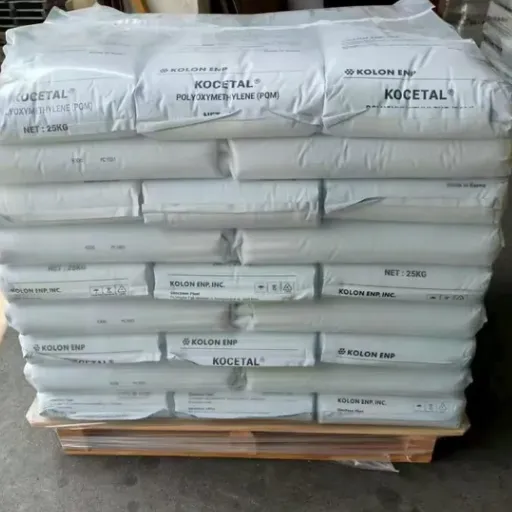
KOCETAL K300 vs Formosa FM090 vs DURACON M90: Picking the Right Medium-Viscosity POM
September 2, 2026A gear shop in India once ordered a container of acetal copolymer based on a 5% price discount, without checking whether the grade Read More
 -
PP vs PE: Which Polyolefin Resin Fits Your Application?
September 2, 2026A bottle manufacturer once chose HDPE for a hot-fill juice container and watched the bottles distort on the filling line. The mate Read More

Contact Us
Recommended Products
-
 Automotive Interior Clip and Door Lock POM K300 Injection Molding Material With Low FrictionNegotiableMOQ: 1 Kilogram
 -
KOCETAL POM K300 Virgin Pellets For Precision Gear Bearing Automotive Latch Water Valve PartsNegotiableMOQ: 1 Kilogram
-
Original Kolon POM K300 Engineering Plastic Wear Resistant Self Lubricating Acetal GranulesNegotiableMOQ: 1 Kilogram
-
Self-Lubricating POM K300 HDT 120°C Wear Resistant Resin With 0.2% Moisture AbsorptionNegotiableMOQ: 1 Kilogram
-
POM FM090AW PTFE Filled Wear Resistant Low Friction Acetal for Silent GearsNegotiableMOQ: 1 Kilogram
-
POM FM090 General Purpose Acetal Copolymer With Excellent MachinabilityNegotiableMOQ: 1 Kilogram
-
POM FM090 Standard Flow Acetal Copolymer Granules for Precision Injection MoldingNegotiableMOQ: 1 Kilogram
-
POM FM090 UV Stabilized Acetal Resin for Outdoor Automotive ComponentsNegotiableMOQ: 1 Kilogram
-
Technical Support Available POM K300 Acetal Copolymer for Precision Injection Molding ServiceNegotiableMOQ: 1 Kilogram
-
KOCETAL POM K300 Acetal Copolymer MFR 9 G/10min 1.41g/cm³ Tensile Strength 60MPaNegotiableMOQ: 1 Kilogram
-
Factory Price Polyacetal POM Resin FM090 for Engineering ApplicationsNegotiableMOQ: 1 Kilogram
-
High Strength Cheap POM FM090 UV Engineering Plastic for Automotive PartsNegotiableMOQ: 1 Kilogram
-
Virgin POM FM090 Granules Pellets Engineering Plastic Raw MaterialNegotiableMOQ: 1 Kilogram
-
POM K300 Plastic Granules 1.5% Shrinkage Rate 80 Shore D Hardness Stable Injection Molding PerformanceNegotiableMOQ: 1 Kilogram
-
Low Friction Coefficient High Dimensional Stability POM K300 Acetal Copolymer Injection Molding GradeNegotiableMOQ: 1 Kilogram

-
POM K300 Acetal Sheet Used for Automotive Gear Components and Conveyor Chains in Industrial MachineryNegotiableMOQ: 1 Kilogram
-
POM K300 Engineering Plastic Sheet With Melting Point 165°C and Excellent Wear Resistance for MachiningNegotiableMOQ: 1 Kilogram
-
POM K300 Acetal Copolymer Injection Molding Grade With Low Friction Coefficient and High Dimensional StabilityNegotiableMOQ: 1 Kilogram
-
POM K300 Polyoxymethylene Resin MFI 9 Engineering Plastic Granule for Injection MoldingNegotiableMOQ: 1 Kilogram
-
Virgin POM Granules Polyoxymethylene Pellets Manufacturer Direct Price for Injection MoldingNegotiableMOQ: 1 Kilogram