Business License

Engineering Plastics Procurement Guide: How to Source Reliable Resins in 2026
The most reliable way to procure engineering plastics is to work with an authorized distributor that can verify material origin, provide complete documentation, and support you through grade selection, order planning, and delivery. A structured procurement process protects your production line from counterfeit resin, inconsistent batches, and costly delays. This engineering plastics procurement guide covers the steps that matter most.
Last spring, a Jiangsu-based automotive supplier received a POM batch that looked correct on the outside but failed dimensional stability tests during first-article inspection. The problem: the resin had been repackaged and sold through an unauthorized channel. By the time the issue was traced, the supplier had already scrapped three days of production. Stories like this are why procurement teams now treat material traceability as a non-negotiable requirement, not a nice-to-have.
In this guide, you will learn how to evaluate engineering plastics suppliers, request the right documents, compare material grades, and structure orders that protect your production schedule. Whether you buy POM, ABS, PC/ABS, or nylon, these steps will help you source resins with confidence. Let's start with what the process actually covers.
Key Takeaways
Authorized distributors provide documented traceability that unauthorized resellers cannot guarantee.
Every engineering plastics order should include a TDS, certificate of analysis, and batch number for quality verification.
Material grades are not interchangeable; compare mechanical, thermal, and chemical properties before substituting.
Consolidating procurement with a single distributor reduces overhead, improves delivery reliability, and leads to better pricing and faster technical support.
What Engineering Plastics Procurement Actually Involves
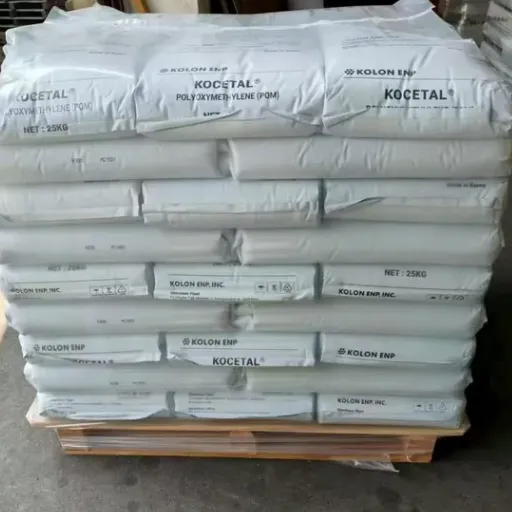
Engineering plastics procurement is more than placing a purchase order for resin pellets. It is the process of identifying the right material grade, qualifying the supplier, confirming documentation, and coordinating logistics so that production receives the correct batch on time.
The materials most commonly procured include POM (polyoxymethylene), PP (polypropylene), ABS (acrylonitrile butadiene styrene), TPU (thermoplastic polyurethane), PBT (polybutylene terephthalate), PC (polycarbonate), PMMA (polymethyl methacrylate), PC/ABS blends, and nylon. Each material has distinct mechanical, thermal, and chemical properties, and each grade within a material family can perform differently in processing.
A complete procurement process should answer five questions:
Does the material meet the mechanical and environmental requirements of the application?
Is the supplier authorized to distribute the brand and grade being quoted?
Will the batch arrive with a technical data sheet and certificate of analysis?
Can the supplier support the required order quantity and delivery schedule?
What technical support is available if processing or quality issues arise?
At Ailide Polymer, we approach procurement as a partnership. Our team reviews application requirements, load, temperature, chemical exposure, and processing method, before recommending a grade. This reduces trial-and-error costs and helps avoid the mismatch problems that occur when buyers select resin based on price alone.
Want to see how this works in practice? Explore our engineering plastics portfolio and compare grades side by side.
How to Evaluate Engineering Plastics Suppliers and Avoid Counterfeit Resins
Supplier qualification is the most important step in engineering plastics procurement. The wrong supplier can deliver off-spec material, missing documentation, or resin that has been repackaged without authorization.
Start by confirming that the distributor has direct or authorized relationships with the resin producers you need. Ailide Polymer maintains long-term cooperative relationships with DuPont, Polyplastics, Chi Mei, Formosa Plastics, LCY Chemical, Asahi Kasei, Bayer, and BASF. These relationships are the foundation of material authenticity, and they mean you aren't relying on unknown intermediaries.
Next, verify the supplier's quality assurance processes. Ask whether they:
Store materials under controlled conditions to prevent moisture contamination.
Track batch numbers from manufacturer to customer.
Provide certificates of analysis for every delivery.
Can support supplier audits and qualification visits.
Counterfeit resin is a real risk in global plastics markets. Unauthorized sellers may repackage lower-grade material, blend off-spec pellets, or sell outdated inventory. The consequences include part failure, production delays, and damage to customer relationships.
Our guide to sourcing authentic engineering plastics explains how to verify authorized channels and avoid repackaged material. The safest approach is to source through an authorized plastic distributor with documented supplier agreements.
When Li Wei, a procurement manager at an electronics contract manufacturer, switched to an authorized distributor for ABS and PC/ABS, his incoming inspection rejection rate dropped from 4% to under 1% within two quarters. The difference was not the material alone; it was the consistency of documentation, packaging, and storage conditions that came with authorized sourcing. That's why buyers shouldn't underestimate the value of an authorized channel.
Industry organizations such as the Plastics Industry Association emphasize supply chain transparency and material traceability as core priorities for responsible manufacturing.
Key Documents to Request Before Placing an Order
Documentation is what separates professional engineering plastics procurement from risky purchasing. Before any order is placed, request the following:
Technical Data Sheet (TDS)
The TDS defines the material's mechanical, thermal, electrical, and chemical properties. It also lists recommended processing parameters. Compare the TDS against your part specifications to confirm the grade will perform as required.
Certificate of Analysis (CoA)
The CoA confirms that the specific batch meets the manufacturer's specifications. Batch certification documents like the CoA and batch number are essential for quality control and audit purposes.
Material Safety Data Sheet (SDS)
The SDS provides handling, storage, and transport safety information. It is required for compliance and worker safety.
Batch Number and Origin Documentation
Batch traceability lets you link a delivery to the manufacturer's production lot. This is critical for recalls, quality investigations, and customer audits.
Purchase Order Confirmation
A clear confirmation should state the grade, quantity, batch number, delivery date, Incoterms, and payment terms. Do not accept vague descriptions like "POM equivalent" or "ABS-like material."
Procurement Document Checklist
| Document | What It Confirms | Why It Matters |
|---|---|---|
| Technical Data Sheet (TDS) | Material properties and recommended processing parameters | Verifies the grade matches your part requirements |
| Certificate of Analysis (CoA) | Batch meets manufacturer specifications | Supports quality control and customer audits |
| Safety Data Sheet (SDS) | Handling, storage, and transport safety | Required for compliance and worker safety |
| Batch Number and Origin | Production lot traceability | Enables recalls and quality investigations |
| Purchase Order Confirmation | Grade, quantity, terms, and delivery date | Prevents misunderstandings before shipment |
Ailide Polymer supplies every batch with appropriate documentation to support traceability and quality assurance. If your supplier cannot provide these documents, that is a sign to reconsider the relationship. A rigorous engineering plastics procurement guide treats documentation as non-negotiable.
Download our technical data sheets to see the level of detail you should expect from any engineering plastics supplier.
Understanding Material Specifications and Grades
Not all engineering plastics are interchangeable. Two grades with the same base resin can have very different properties depending on additives, molecular weight, and reinforcement.
For example, POM materials are valued for low friction, high stiffness, and dimensional stability. They are commonly used for precision gears, bearings, and automotive fuel-system components. However, POM homopolymer and POM copolymer behave differently in moisture and chemical exposure. Choosing the wrong variant can lead to premature wear or dimensional changes.
ABS offers excellent impact strength and surface finish, making it suitable for appliance housings and consumer electronics. PC/ABS blends combine the heat resistance and impact strength of PC with the processability of ABS. These blends are widely used in automotive interiors and electronic housings. Our ABS vs PC/ABS guide helps you decide which grade fits your application.
When evaluating a grade, focus on:
Tensile strength and flexural modulus
Heat deflection temperature
Impact strength
Chemical resistance
Dimensional stability
Processing method compatibility
Your application requirements should drive the selection, not the supplier's current inventory. A knowledgeable distributor will help you match the grade to the part rather than push whatever is in stock.
Need help selecting the right grade? Contact our technical support team for application-focused recommendations.
MOQ, Lead Time, and Pricing Considerations
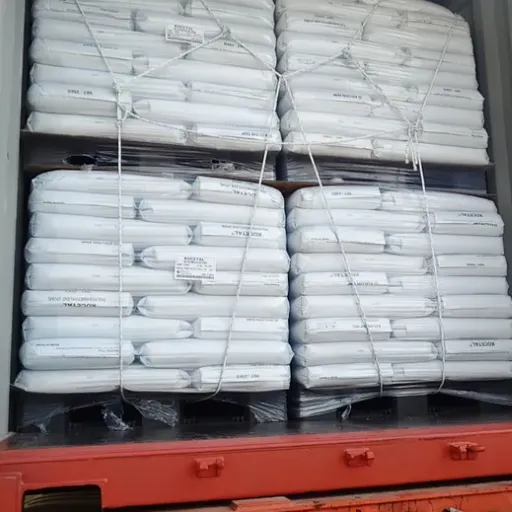
Engineering plastics procurement also involves balancing order quantity, delivery speed, and cost. Every engineering plastics procurement guide should address MOQ, lead time, and pricing before an order is placed. Minimum order quantities (MOQ), lead times, and pricing structures vary by grade, supplier, and market conditions.
Minimum Order Quantity
MOQs depend on the material and manufacturer. Some grades are available in small trial batches for product development, while others require full bag or pallet quantities. Ask about trial-batch options if you are validating a new material.
Lead Time
Authorized distributors with local inventory can often deliver faster than overseas brokers. Ailide Polymer distributes nationwide across China, which helps reduce lead times and inventory risk for domestic manufacturers.
Pricing
Pricing is influenced by resin type, grade, order volume, packaging, and current raw-material market conditions. POM ABS PC/ABS procurement plans should account for grade-specific pricing and availability. Be cautious of prices that are significantly below market rates; this can indicate off-spec, repackaged, or counterfeit material.
Payment Terms
Standard terms vary by relationship length and order size. New customers may start with prepayment or shorter terms, while established partners can negotiate more favorable arrangements.
Testing standards from organizations like ASTM International and ISO provide the benchmarks used to verify the properties listed in technical data sheets. Reference these standards when comparing grades from different suppliers.
Ready to test the difference? Request a quote for certified POM, ABS, PC/ABS, or nylon grades and receive a technical data sheet with every quotation.
How to Build a Long-Term Engineering Plastics Procurement Partnership
The best procurement relationships are built on transparency, consistency, and technical collaboration. A long-term partnership with your engineering plastics distributor delivers benefits that transactional buying cannot match.
Consistent Quality
When a distributor understands your application and quality standards, they can pre-qualify batches and flag potential issues before delivery.
Priority Access
During supply shortages, distributors prioritize long-term partners for constrained grades. This can be the difference between keeping production running and shutting down a line.
Better Planning
A partner can help forecast inventory needs, plan scheduled deliveries, and align orders with your production calendar.
Technical Support
Ongoing collaboration means your distributor can support material substitutions, upgrade projects, and troubleshooting.
When Acme Industrial Components began working closely with Ailide Polymer on their nylon and POM requirements, they reduced emergency orders by 60% and improved their on-time delivery rate to 98%. The relationship allowed both companies to plan inventory around production schedules rather than reacting to shortages.
At Ailide Polymer, we welcome customers to visit, inspect, and negotiate cooperation. We believe strong partnerships are built on integrity, solid operational strength, and reliable product quality.
Frequently Asked Questions
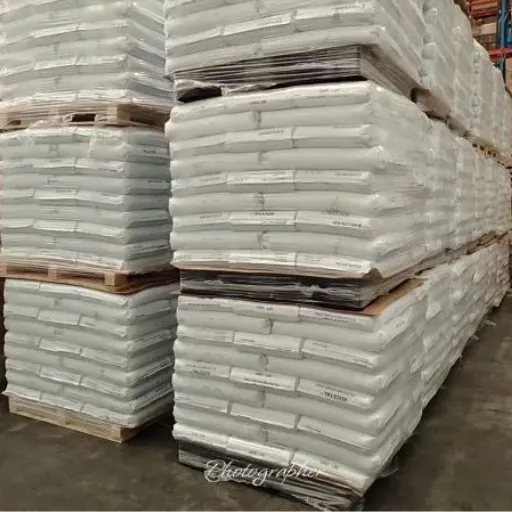
What is an engineering plastics procurement guide?
An engineering plastics procurement guide is a structured resource that helps buyers source engineering-grade resins from qualified suppliers. It covers supplier verification, material grade selection, documentation requirements, and order planning.
How do I verify an authorized plastics distributor?
Ask for proof of authorization from the resin manufacturer, request documentation for recent batches, and verify that the supplier has a physical presence with controlled storage. Authorized distributors can provide traceability from manufacturer to customer.
What documents should I request when buying engineering plastics?
Request a technical data sheet (TDS), certificate of analysis (CoA), safety data sheet (SDS), batch number, and written confirmation of grade, quantity, and delivery terms.
What is the typical MOQ for engineering plastics?
MOQs vary by grade and supplier. Some materials are available in small trial batches, while others require bag or pallet quantities. Contact the distributor with your specific grade and volume requirements.
How can I avoid counterfeit engineering plastics?
Source through authorized distributors, verify batch traceability, request certificates of analysis, and be wary of prices significantly below market rates.
Should I use one distributor or multiple suppliers?
Using a single authorized distributor for multiple materials reduces vendor management overhead and can improve delivery reliability. However, make sure the distributor has genuine authorization for every brand and grade you need. If it can't prove authorization, look elsewhere.
Conclusion
Engineering plastics procurement is a strategic function, not just a purchasing task. The right process protects your production schedule, reduces quality risk, and builds stronger supplier relationships.
Key takeaways from this guide:
Verify supplier authorization and traceability before placing orders.
Always request TDS, CoA, SDS, and batch documentation.
Select grades based on application requirements, not just price.
Consider MOQ, lead time, and delivery reliability alongside cost.
Build long-term partnerships for better support and supply continuity.
If you are looking for a reliable engineering plastics supplier China manufacturers trust, Ailide Polymer can help. We distribute POM, ABS, PC/ABS, PC, PMMA, TPU, PBT, nylon, and modified plastics through authorized channels, with nationwide delivery and technical support.
Contact our team today to request a quote, download a technical data sheet, or discuss your material requirements. Use this engineering plastics procurement guide to qualify your next supplier and protect your production line.
Recently Posted
-
ABS in Automotive Interiors: From Dashboards to Door Panels
September 2, 2026A tier-two supplier once substituted a general-purpose ABS for an automotive-grade ABS on a door trim component to save 4% on resi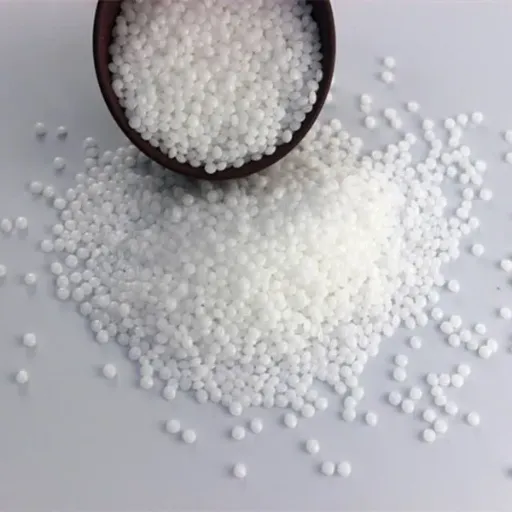 Read More
 -
ABS Flame Retardant Grades and UL 94 Ratings Explained: A Practical Guide for Buyers and Designers
September 2, 2026An electronics manufacturer once submitted a power-supply housing molded from standard ABS to a safety certification test. The mat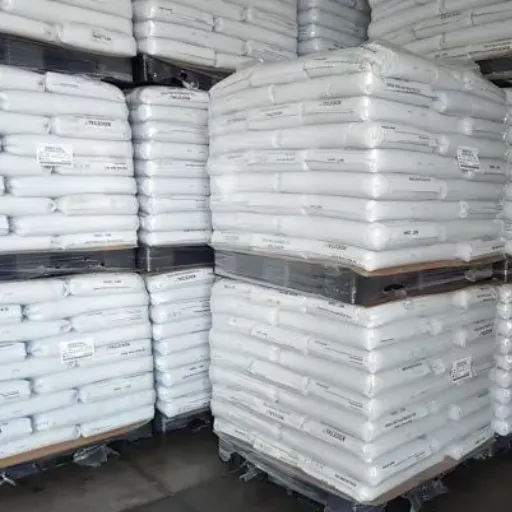 Read More
 -
KOCETAL K300 vs Formosa FM090 vs DURACON M90: Picking the Right Medium-Viscosity POM
September 2, 2026A gear shop in India once ordered a container of acetal copolymer based on a 5% price discount, without checking whether the grade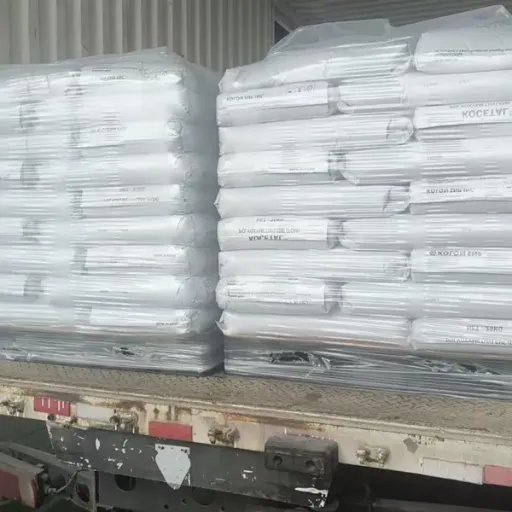 Read More
 -
PP vs PE: Which Polyolefin Resin Fits Your Application?
September 2, 2026A bottle manufacturer once chose HDPE for a hot-fill juice container and watched the bottles distort on the filling line. The mate Read More

Contact Us
Recommended Products
-
 Automotive Interior Clip and Door Lock POM K300 Injection Molding Material With Low FrictionNegotiableMOQ: 1 Kilogram
 -
KOCETAL POM K300 Virgin Pellets For Precision Gear Bearing Automotive Latch Water Valve PartsNegotiableMOQ: 1 Kilogram
-
Original Kolon POM K300 Engineering Plastic Wear Resistant Self Lubricating Acetal GranulesNegotiableMOQ: 1 Kilogram
-
Self-Lubricating POM K300 HDT 120°C Wear Resistant Resin With 0.2% Moisture AbsorptionNegotiableMOQ: 1 Kilogram
-
POM FM090AW PTFE Filled Wear Resistant Low Friction Acetal for Silent GearsNegotiableMOQ: 1 Kilogram
-
POM FM090 General Purpose Acetal Copolymer With Excellent MachinabilityNegotiableMOQ: 1 Kilogram
-
POM FM090 Standard Flow Acetal Copolymer Granules for Precision Injection MoldingNegotiableMOQ: 1 Kilogram
-
POM FM090 UV Stabilized Acetal Resin for Outdoor Automotive ComponentsNegotiableMOQ: 1 Kilogram
-
Technical Support Available POM K300 Acetal Copolymer for Precision Injection Molding ServiceNegotiableMOQ: 1 Kilogram
-
KOCETAL POM K300 Acetal Copolymer MFR 9 G/10min 1.41g/cm³ Tensile Strength 60MPaNegotiableMOQ: 1 Kilogram
-
Factory Price Polyacetal POM Resin FM090 for Engineering ApplicationsNegotiableMOQ: 1 Kilogram
-
High Strength Cheap POM FM090 UV Engineering Plastic for Automotive PartsNegotiableMOQ: 1 Kilogram
-
Virgin POM FM090 Granules Pellets Engineering Plastic Raw MaterialNegotiableMOQ: 1 Kilogram
-
POM K300 Plastic Granules 1.5% Shrinkage Rate 80 Shore D Hardness Stable Injection Molding PerformanceNegotiableMOQ: 1 Kilogram
-
Low Friction Coefficient High Dimensional Stability POM K300 Acetal Copolymer Injection Molding GradeNegotiableMOQ: 1 Kilogram

-
POM K300 Acetal Sheet Used for Automotive Gear Components and Conveyor Chains in Industrial MachineryNegotiableMOQ: 1 Kilogram
-
POM K300 Engineering Plastic Sheet With Melting Point 165°C and Excellent Wear Resistance for MachiningNegotiableMOQ: 1 Kilogram
-
POM K300 Acetal Copolymer Injection Molding Grade With Low Friction Coefficient and High Dimensional StabilityNegotiableMOQ: 1 Kilogram
-
POM K300 Polyoxymethylene Resin MFI 9 Engineering Plastic Granule for Injection MoldingNegotiableMOQ: 1 Kilogram
-
Virgin POM Granules Polyoxymethylene Pellets Manufacturer Direct Price for Injection MoldingNegotiableMOQ: 1 Kilogram