Business License

POM Applications: 7 Industrial Uses for Acetal Resin in 2026
POM applications span automotive fuel systems, precision gears, industrial bearings, electrical housings, medical devices, and consumer goods. The material earns its place in these roles through a rare combination of stiffness, low friction, dimensional stability, and wear resistance.
Li Hua, a design engineer at a Ningbo appliance manufacturer, learned this the hard way. His team prototyped a small gear train using a generic ABS because it was cheaper and easier to source. After 5,000 cycles, the teeth deformed and the assembly began to jam.
A colleague suggested switching to polyoxymethylene (POM). The acetal version ran past 50,000 cycles without measurable wear. The project moved forward, and the lesson stuck: choosing the right material is cheaper than fixing a failed product.
In this guide, we break down the most important POM applications, explain why acetal resin fits each one, and show how to select a grade that matches your production requirements.
Key Takeaways
POM (polyoxymethylene) is widely used in gears, bearings, fuel-system components, electrical parts, and medical devices.
Low friction and high dimensional stability make POM ideal for precision moving parts.
Homopolymer grades such as DuPont Delrin offer slightly higher mechanical properties; copolymer grades such as Polyplastics and KOCETAL deliver broader chemical resistance.
POM competes with nylon in wear applications but absorbs far less moisture.
Authorized distributors supply certified grades with technical data sheets and batch traceability.
POM Applications at a Glance
| Industry | Common POM Parts | Key Property Used |
|---|---|---|
| Automotive | Fuel caps, seat gears, clips | Chemical resistance, fatigue life |
| Industrial | Gears, bearings, conveyor guides | Low friction, wear resistance |
| Electronics | Connectors, printer rollers, switches | Dimensional stability |
| Consumer | Appliance knobs, zippers, plumbing | Smooth feel, repeated cycling |
| Medical | Insulin pens, inhalers, surgical tools | Sterilization resistance |
This table covers the most common uses, but POM also appears in aerospace fittings, agricultural equipment, and office machinery. The material's versatility comes from its predictable mechanical behavior and ease of molding into complex shapes.
What Is POM Material?
POM, also called acetal or polyoxymethylene, is a high-crystallinity engineering thermoplastic. It sits between commodity plastics such as ABS and high-performance materials such as PEEK in both price and performance. Two main types dominate the market:
POM homopolymer: Often sold under the Delrin brand, it offers higher tensile strength, stiffness, and fatigue resistance.
POM copolymer: Grades from Polyplastics, KOCETAL, and others provide better chemical resistance, lower centerline porosity, and easier processing in some molds.
Both types share the properties that drive most POM applications: high stiffness, low coefficient of friction, excellent wear resistance, good fatigue life, and strong dimensional stability over a wide temperature range. Industry sources such as Plastics Technology track POM as one of the most widely used engineering thermoplastics for precision mechanical parts.
For a deeper look at grade differences, see our POM materials page.
Why POM Works Across So Many Applications
POM is not the strongest engineering plastic, nor the cheapest. Its advantage comes from the balance it strikes across multiple properties. For detailed property data, AZOM publishes independent material profiles that engineers often reference during grade selection.
Low Friction and Wear Resistance
POM has one of the lowest coefficients of friction among unreinforced thermoplastics. Moving parts slide against each other smoothly, which reduces heat, noise, and material loss. This property is central to POM applications in gears, bearings, and sliding guides.
Dimensional Stability
High crystallinity gives POM predictable shrinkage and low moisture uptake. Parts hold their dimensions after molding, which matters for assemblies with tight clearances.
Stiffness and Strength
POM delivers tensile strength and flexural modulus comparable to many metals on a weight-adjusted basis. It can replace brass, zinc, or steel in components where metal properties are unnecessary.
Fatigue Resistance
POM withstands repeated cyclic loading. Springs, clips, and snap-fit features made from acetal retain their performance over thousands of cycles.
Good Electrical Insulation
Unfilled POM offers reasonable electrical insulation, which supports its use in connectors, switches, and housings for low-voltage devices.
Need help matching a POM grade to your application? Contact our technical team for material recommendations and certified grade options.
Automotive POM Applications
Automotive is one of the largest consumers of POM. The material handles fuel, temperatures, and mechanical loads better than many alternatives. According to Plastics News, automotive electrification continues to reshape demand for engineering plastics across fuel systems, interiors, and thermal management.
Fuel System Components
POM resists gasoline, diesel, and ethanol blends. Fuel caps, fuel rails, pump housings, and injector components commonly use acetal grades. Copolymer POM is often preferred here because of its broader chemical resistance.
Door and Seat Mechanisms
Window lift guides, door locks, seat adjusters, and headrest mechanisms rely on POM for low friction and quiet operation. These parts must survive thousands of cycles without wear or noise.
Under-Hood Fasteners and Clips
Plastic clips and fasteners made from POM reduce weight and corrosion risk. Their spring-like fatigue resistance lets them snap into place and hold securely.
Thermal Management Parts
With the shift toward electric vehicles, POM is finding new roles in coolant valves, actuator housings, and battery module fasteners. These parts need dimensional stability across temperature swings.
Zhang Ming, a Tier 2 automotive supplier in Suzhou, switched a seat-adjuster gear from metal to POM. The change cut part weight by 60% and eliminated the need for secondary machining. Molded-in color also removed a painting step, reducing both cost and cycle time.
Industrial and Mechanical POM Applications
Industrial machinery consumes large volumes of POM in moving and wear-prone components.
Gears and Sprockets
POM is one of the most common plastics for precision gears. It runs quietly against metal or plastic mating gears, resists wear, and doesn't require lubrication in many designs. Learn more in our article on the best engineering plastics for gears.
Bearings and Bushings
POM bushings replace bronze or steel in light- to medium-load applications. The low friction coefficient reduces energy consumption and extends service intervals. For heavier loads or higher temperatures, nylon may be a better choice. Compare the two in our nylon vs POM guide.
Conveyor Components
Roller bearings, chain guides, and conveyor wear strips use POM to reduce friction and noise. The material holds up well in clean environments such as food packaging and electronics assembly.
Pump and Valve Components
Diaphragms, valve stems, and impellers benefit from POM's chemical resistance and dimensional stability. Copolymer grades are often selected when exposure to fuels, solvents, or cleaning chemicals is expected.
Springs and Clips
POM's fatigue resistance makes it suitable for snap rings, retaining clips, and spring-like features. These parts must flex repeatedly without breaking or taking a permanent set.
Consumer Goods and Appliance Applications
POM appears throughout homes and offices in parts that users touch and operate every day.
Appliance Controls and Knobs
Washing machine timers, dishwasher controls, and HVAC knobs use POM for its smooth feel, wear resistance, and ability to hold fine details during molding.
Zippers and Fasteners
The textile industry uses POM for zipper sliders and small fasteners. The material resists repeated motion and retains its shape under tension.
Toy and Sporting Goods Components
Model gears, remote-control car parts, and small mechanical toys use POM for durability. The material also appears in pen mechanisms, lighter internals, and dispenser pumps.
Plumbing Fixtures
Faucet cartridges, showerhead components, and valve stems use POM where water resistance and repeated cycling matter. Copolymer grades resist chlorine and hot water better than homopolymer grades in many cases.
Electrical and Electronics Applications
POM serves electronics in roles that require insulation, precision, and mechanical reliability.
Connectors and Switches
Low-voltage connectors, switch housings, and terminal blocks use POM for dimensional stability and good dielectric properties. The material holds tight tolerances needed for reliable contact alignment.
Computer and Printer Mechanisms
Paper feed rollers, gear trains, and printer carriage guides often use POM. The material runs quietly and resists the wear caused by constant motion.
Smartphone and Camera Components
Small POM parts support lens barrels, hinge mechanisms, and button assemblies. These applications demand tight tolerances and smooth operation in thin-wall designs.
Appliance Electronics Housings
While PC/ABS and ABS dominate visible housings, POM supports internal structural and moving parts where stiffness and wear resistance matter more than appearance.
Medical and Plumbing POM Applications
POM meets strict requirements in medical devices and plumbing systems.
Medical Devices
Insulin pens, inhalers, surgical instruments, and drug-delivery devices use POM for precision, sterilization resistance, and biocompatibility. Medical grades are specially formulated and certified for these applications.
Dental Tools
Some dental instrument handles and small mechanical components use POM because it can be sterilized and resists repeated handling.
Water Meters and Fluid Handling
POM gears and impellers inside water meters deliver accurate readings over long service life. The material resists scaling and common water treatments.
Food Contact Components
Selected POM grades comply with food-contact regulations for dispensers, valves, and processing equipment. Always verify the specific grade's certification against your regional requirements.
POM vs Nylon: When to Choose Acetal
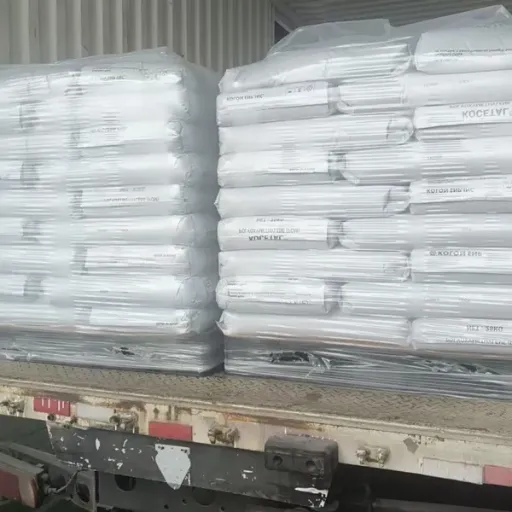
POM and nylon (PA) compete in many of the same applications. The choice depends on operating conditions.
| Factor | POM (Acetal) | Nylon (PA) |
|---|---|---|
| Moisture absorption | Very low | Higher, especially PA6 |
| Wear resistance | Excellent | Very good to excellent |
| Impact strength | Moderate | Higher, especially toughened grades |
| Chemical resistance | Good, especially copolymer | Broad, but sensitive to acids |
| Dimensional stability | Excellent | Good; must be conditioned |
| Cost | Moderate | Moderate, varies with grade |
Choose POM when tight dimensional tolerances, low friction, and moisture stability are critical. Choose nylon when higher impact strength, greater toughness, or better fatigue resistance under heavy load is required.
For a detailed comparison, read our nylon vs POM for wear parts guide.
How to Choose the Right POM Grade for Your Application
Not all POM grades perform the same way. Selecting the right one requires matching material properties to part requirements.
Homopolymer or Copolymer
Use homopolymer POM for maximum stiffness, fatigue resistance, and mechanical strength.
Use copolymer POM when chemical resistance, thermal stability, or reduced porosity is more important.
Filled or Unfilled
Unfilled POM is best for low friction, smooth surfaces, and electrical insulation.
Glass-filled POM offers higher stiffness and lower thermal expansion but sacrifices some toughness and surface smoothness.
PTFE-filled POM further reduces friction for bearings and slides.
Color and UV Requirements
Natural and black grades are most common. UV-stabilized grades are available for outdoor or lighted applications where long-term color stability matters.
Regulatory Compliance
Medical, food-contact, and automotive applications often require specific certifications. Request the technical data sheet and certificate of analysis before qualifying a grade.
Chen Wei, a procurement manager at a Shenzhen electronics factory, once ordered a standard POM grade for a connector housing. The part passed functional tests but failed a customer audit because the grade lacked the required UL flammability rating.
He now requests the full specification package before approving any new grade. The extra step adds one day to qualification and prevents weeks of rework.
Sourcing Reliable POM for Production
Consistent POM quality matters as much as grade selection. Variations in molecular weight, moisture content, or filler dispersion can cause molding defects and part failures.
Authorized Distribution
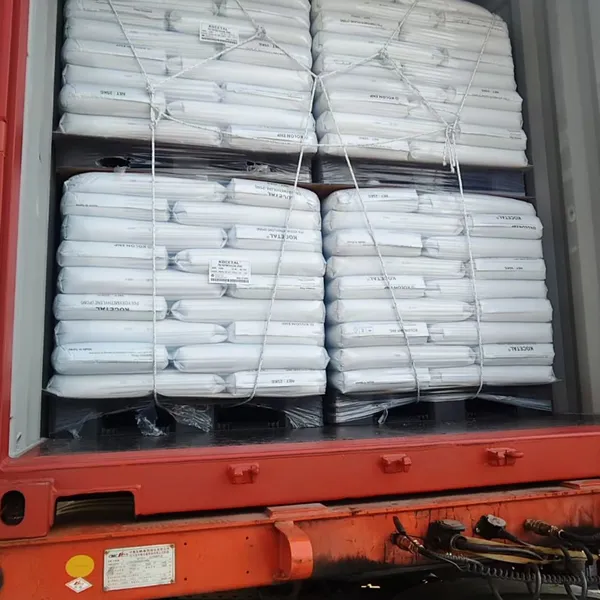
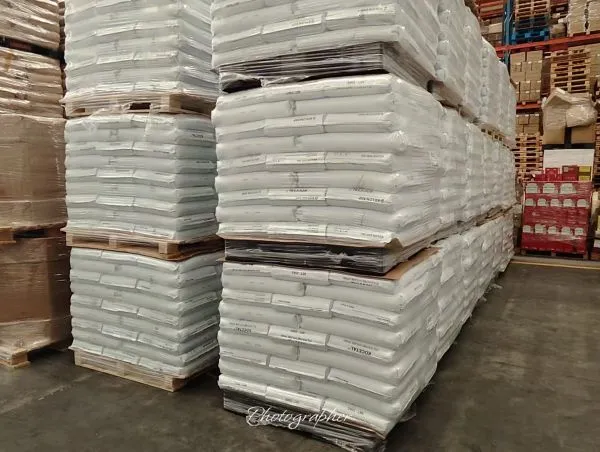
Buying through authorized channels reduces the risk of counterfeit or degraded resin. Ailide Polymer sources POM from recognized producers such as DuPont, Polyplastics, and KOCETAL, with documentation for every batch.
Documentation to Request
Technical data sheet (TDS)
Certificate of analysis (COA)
Material safety data sheet (SDS)
Origin documentation where required
Trial and Scale
Start with a small trial batch to validate processing behavior and part performance. Once qualified, lock in a supply agreement to protect against allocation and price volatility.
Ready to source certified POM for your application? Request a quote from Ailide Polymer for homopolymer and copolymer grades with full technical support.
Frequently Asked Questions
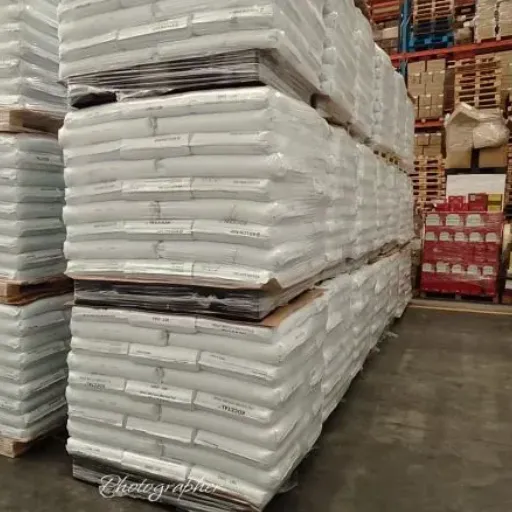
What is POM plastic used for?
POM plastic is used for precision mechanical parts that require low friction, wear resistance, and dimensional stability. Common POM applications include gears, bearings, fuel-system components, electrical connectors, appliance controls, and medical devices.
Is POM the same as acetal?
Yes. POM stands for polyoxymethylene, and acetal is the common industry name for the same polymer family. Delrin is a well-known brand of POM homopolymer.
What are the main types of POM?
The two main types are POM homopolymer and POM copolymer. Homopolymer offers higher stiffness and fatigue resistance. Copolymer offers better chemical resistance, lower porosity, and improved thermal stability.
Can POM replace metal parts?
POM can replace metal in many light- to medium-load applications. It reduces weight, eliminates corrosion, and often removes the need for secondary machining. However, it cannot match metal at very high temperatures or extreme loads.
How does POM compare to nylon?
POM absorbs less moisture and offers better dimensional stability than nylon. Nylon generally has higher toughness and impact strength. The best choice depends on load, moisture exposure, and tolerance requirements.
Is POM safe for food or medical contact?
Specific POM grades are certified for food contact or medical device use. Always confirm regulatory compliance with the supplier and review the technical data sheet before selecting a grade.
Conclusion
POM applications cover a wide industrial landscape because acetal resin delivers the right balance of stiffness, low friction, wear resistance, and dimensional stability. From automotive fuel systems to medical devices, the material solves real engineering problems at a reasonable cost.
Success with POM starts with choosing the correct grade. Homopolymer and copolymer each have distinct strengths. Fillers, colorants, and certifications further refine the choice. Procurement teams should source through authorized distributors to ensure batch consistency and full documentation.
For manufacturers evaluating POM for a new design or production program, the next step is to request the technical data sheet and run a trial batch. Ailide Polymer supplies certified POM grades from globally recognized producers, with technical support to help you match material to application.
Recently Posted
-
ABS in Automotive Interiors: From Dashboards to Door Panels
September 2, 2026A tier-two supplier once substituted a general-purpose ABS for an automotive-grade ABS on a door trim component to save 4% on resi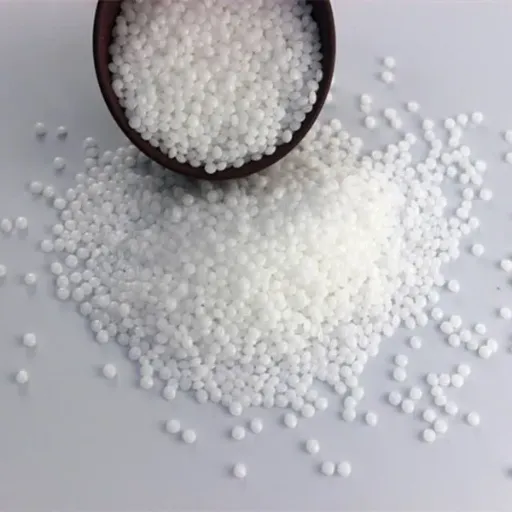 Read More
 -
ABS Flame Retardant Grades and UL 94 Ratings Explained: A Practical Guide for Buyers and Designers
September 2, 2026An electronics manufacturer once submitted a power-supply housing molded from standard ABS to a safety certification test. The mat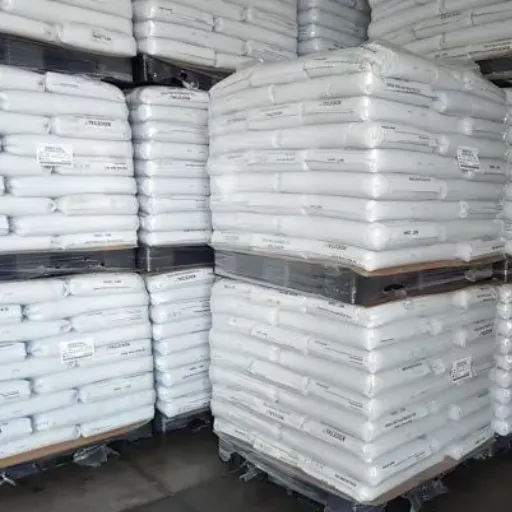 Read More
 -
KOCETAL K300 vs Formosa FM090 vs DURACON M90: Picking the Right Medium-Viscosity POM
September 2, 2026A gear shop in India once ordered a container of acetal copolymer based on a 5% price discount, without checking whether the grade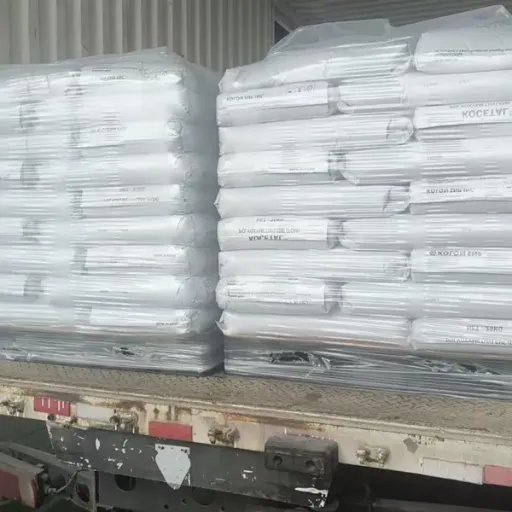 Read More
 -
PP vs PE: Which Polyolefin Resin Fits Your Application?
September 2, 2026A bottle manufacturer once chose HDPE for a hot-fill juice container and watched the bottles distort on the filling line. The mate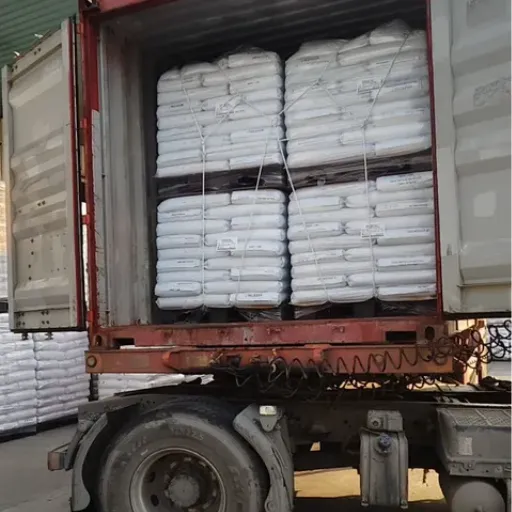 Read More

Contact Us
Recommended Products
-
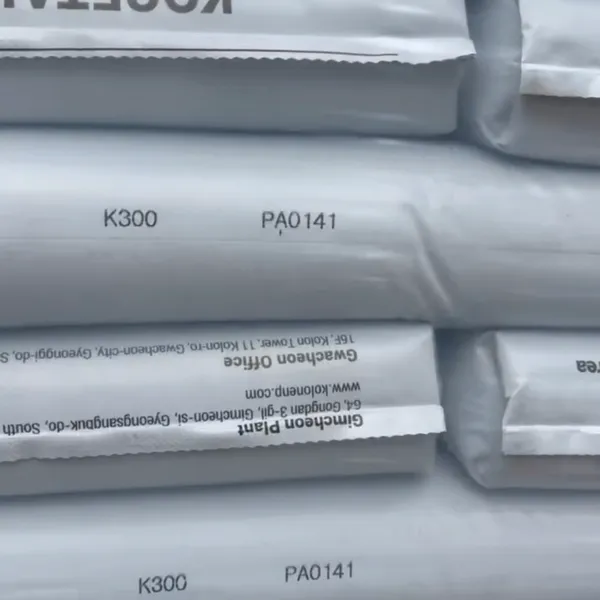
 Automotive Interior Clip and Door Lock POM K300 Injection Molding Material With Low FrictionNegotiableMOQ: 1 Kilogram
 -
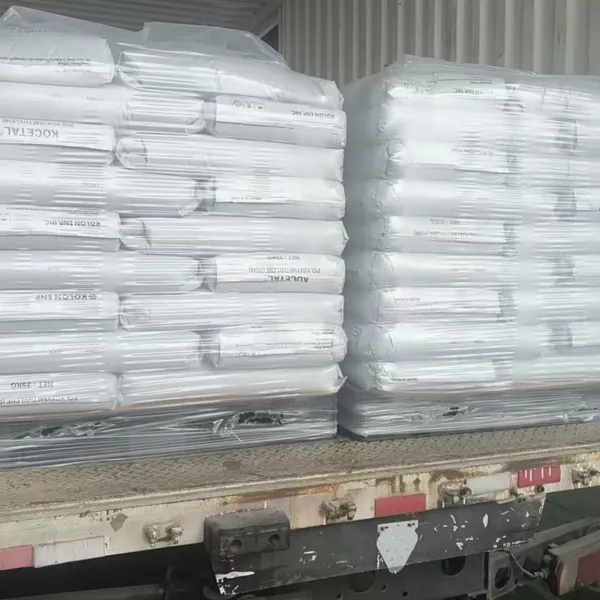
KOCETAL POM K300 Virgin Pellets For Precision Gear Bearing Automotive Latch Water Valve PartsNegotiableMOQ: 1 Kilogram
-
Original Kolon POM K300 Engineering Plastic Wear Resistant Self Lubricating Acetal GranulesNegotiableMOQ: 1 Kilogram
-
Self-Lubricating POM K300 HDT 120°C Wear Resistant Resin With 0.2% Moisture AbsorptionNegotiableMOQ: 1 Kilogram
-
POM FM090AW PTFE Filled Wear Resistant Low Friction Acetal for Silent GearsNegotiableMOQ: 1 Kilogram
-
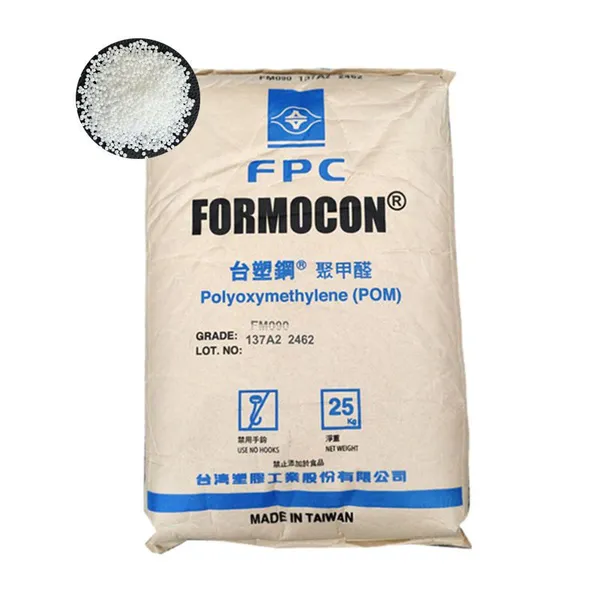
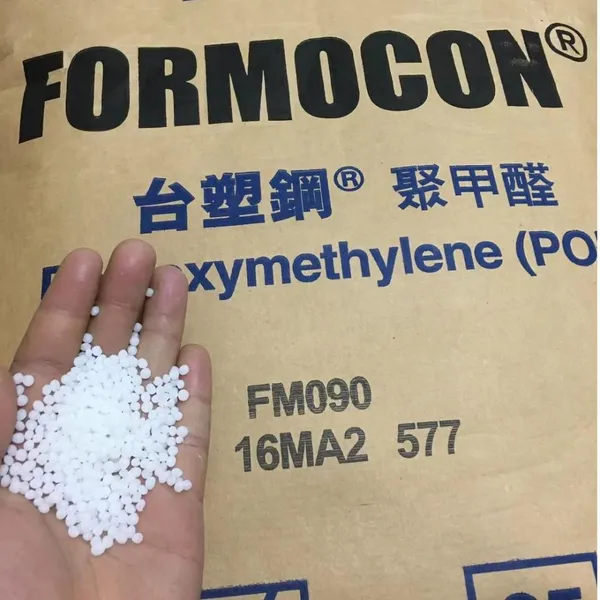
POM FM090 General Purpose Acetal Copolymer With Excellent MachinabilityNegotiableMOQ: 1 Kilogram
-
POM FM090 Standard Flow Acetal Copolymer Granules for Precision Injection MoldingNegotiableMOQ: 1 Kilogram
-
POM FM090 UV Stabilized Acetal Resin for Outdoor Automotive ComponentsNegotiableMOQ: 1 Kilogram
-
Technical Support Available POM K300 Acetal Copolymer for Precision Injection Molding ServiceNegotiableMOQ: 1 Kilogram
-
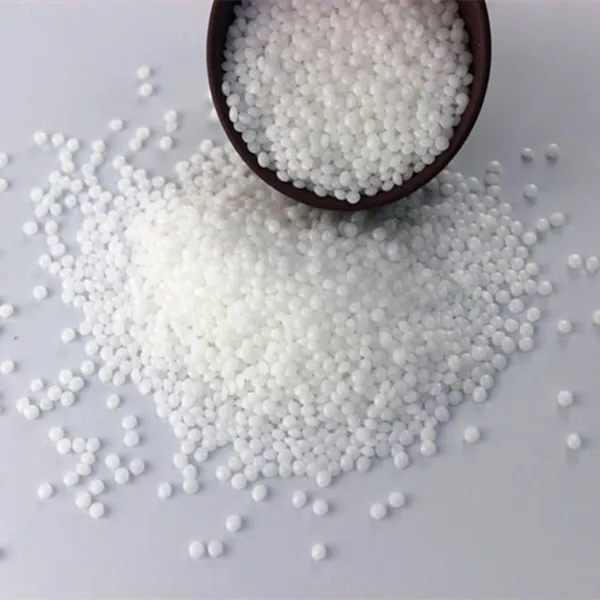
KOCETAL POM K300 Acetal Copolymer MFR 9 G/10min 1.41g/cm³ Tensile Strength 60MPaNegotiableMOQ: 1 Kilogram
-
Factory Price Polyacetal POM Resin FM090 for Engineering ApplicationsNegotiableMOQ: 1 Kilogram
-
High Strength Cheap POM FM090 UV Engineering Plastic for Automotive PartsNegotiableMOQ: 1 Kilogram
-
Virgin POM FM090 Granules Pellets Engineering Plastic Raw MaterialNegotiableMOQ: 1 Kilogram
-
POM K300 Plastic Granules 1.5% Shrinkage Rate 80 Shore D Hardness Stable Injection Molding PerformanceNegotiableMOQ: 1 Kilogram
-
Low Friction Coefficient High Dimensional Stability POM K300 Acetal Copolymer Injection Molding GradeNegotiableMOQ: 1 Kilogram

-
POM K300 Acetal Sheet Used for Automotive Gear Components and Conveyor Chains in Industrial MachineryNegotiableMOQ: 1 Kilogram
-
POM K300 Engineering Plastic Sheet With Melting Point 165°C and Excellent Wear Resistance for MachiningNegotiableMOQ: 1 Kilogram
-
POM K300 Acetal Copolymer Injection Molding Grade With Low Friction Coefficient and High Dimensional StabilityNegotiableMOQ: 1 Kilogram
-
POM K300 Polyoxymethylene Resin MFI 9 Engineering Plastic Granule for Injection MoldingNegotiableMOQ: 1 Kilogram
-
Virgin POM Granules Polyoxymethylene Pellets Manufacturer Direct Price for Injection MoldingNegotiableMOQ: 1 Kilogram