Business License

ABS vs PC/ABS: Which Material Should You Choose?
Choose ABS for cost-sensitive cosmetic housings, consumer goods, and parts where ease of processing and surface finish matter most. Choose PC/ABS when you need higher impact strength, better heat resistance, and greater dimensional stability for demanding automotive, electronics, or industrial applications. The right choice depends on your performance requirements, production method, and budget.
Here's the counterintuitive part: the cheaper material often costs more in the long run. A procurement manager we worked with, Li Wei, initially specified ABS for a portable power-tool housing to save roughly 15% on resin costs. After the first drop-test batch failed at the assembly line, his team redesigned the mold for PC/ABS, delayed launch by six weeks, and absorbed tooling changes that erased every yuan saved. If he had matched the material to the application from the start, the project would have shipped on schedule.
We understand that tension. ABS and PC/ABS look similar on a data sheet. Both are opaque thermoplastics, both mold well, and both dominate the appliance, electronics, and automotive markets. But their performance gaps become obvious once parts face heat, impact, or assembly stress.
In this ABS vs PC/ABS comparison, we'll break down mechanical properties, thermal performance, processability, cost, and real-world applications. You'll also learn how to source certified grades with full documentation through an authorized distributor.
Key Takeaways
ABS is the economical choice for cosmetic housings and low-stress parts where surface finish and processability come first.
PC/ABS blends deliver 40-100% higher notched Izod impact strength and 20-40% higher heat deflection temperature than standard ABS.
PC/ABS processes at higher temperatures and requires tighter drying, but still molds more easily than pure polycarbonate.
Automotive interior trim, premium electronics housings, and safety-critical parts typically favor PC/ABS.
Sourcing from an authorized distributor protects against counterfeit or off-spec resin and ensures batch traceability.
What Is ABS Plastic?
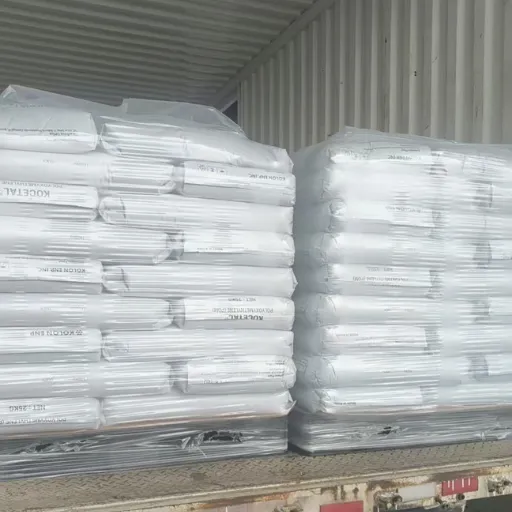
Acrylonitrile Butadiene Styrene (ABS) is a terpolymer made by combining three monomers. Acrylonitrile contributes chemical resistance and heat stability. Butadiene provides toughness and impact resistance. Styrene gives rigidity and the excellent surface finish that makes ABS so popular for visible parts.
The result is a versatile, cost-effective engineering plastic that balances strength, appearance, and processability. These ABS plastic properties make it suitable for appliance housings, toys, automotive interior trim, luggage, and consumer electronics enclosures.
Standard ABS grades offer good impact strength, typically 150-400 J/m in notched Izod tests, depending on grade and supplier. Heat deflection temperature usually falls between 80°C and 97°C at 1.82 MPa. Tensile strength ranges from 30 MPa to 50 MPa. You can verify supplier-specific values on MatWeb or the UL Prospector plastics database.
ABS also accepts paint, plating, and texturing exceptionally well. That is why designers specify it for visible components such as dashboard trim, remote-control housings, and vacuum-cleaner bodies. If your part needs a glossy finish, a soft-touch coating, or a metallic appearance, ABS provides a reliable substrate.
Molders like ABS because it processes at lower temperatures than PC or PC/ABS. Typical melt temperatures range from 200°C to 250°C, and mold temperatures sit between 50°C and 80°C. Drying requirements are modest, usually 2-4 hours at 80-90°C. This lowers energy costs and shortens cycle times compared with more heat-resistant materials.
For a closer look at available grades, visit our ABS resin product page.
What Is PC/ABS?
PC/ABS is an alloy, or blend, of Polycarbonate (PC) and Acrylonitrile Butadiene Styrene (ABS). It combines the high impact strength and heat resistance of polycarbonate with the processability and surface quality of ABS. Understanding the ABS vs polycarbonate trade-off helps explain why the blend works so well.
Manufacturers adjust the PC-to-ABS ratio to tune properties for specific applications. Common blends range from 60/40 PC/ABS to 80/20 PC/ABS. The higher the PC content, the greater the toughness and heat resistance.
Because polycarbonate contributes toughness, PC/ABS delivers significantly higher impact resistance than ABS alone. Notched Izod impact values often range from 400 J/m to 750 J/m, depending on the blend ratio and grade. Heat deflection temperature typically reaches 100°C to 115°C, with some high-heat grades exceeding 120°C.
Tensile strength generally falls between 45 MPa and 60 MPa. Independent data for specific commercial grades is available through Plastics Technology Online and material databases such as MatWeb.
PC/ABS also maintains better dimensional stability under load and temperature cycling. That matters for assemblies with tight tolerances, such as instrument panels, printer housings, and medical-device enclosures. The material resists creep better than ABS, so snap fits and threaded bosses hold their geometry longer.
Processing PC/ABS requires more attention than ABS. Melt temperatures usually run from 240°C to 280°C, and mold temperatures range from 60°C to 90°C. Drying is essential, typically 3-4 hours at 100-110°C, because polycarbonate is hygroscopic and moisture causes splay or hydrolysis during molding. While PC/ABS is less demanding than pure PC, it still needs tighter process control than ABS.
Explore our PC/ABS blends for automotive, electronics, and industrial grades.
ABS vs PC/ABS: Key Property Differences
A side-by-side comparison makes the trade-offs clear. The table below summarizes typical ranges for standard injection-molding grades.
| Property | ABS | PC/ABS |
|---|---|---|
| Notched Izod impact (J/m) | 150-400 | 400-750 |
| Tensile strength (MPa) | 30-50 | 45-60 |
| Heat deflection temp. at 1.82 MPa (°C) | 80-97 | 100-125 |
| Melt temperature range (°C) | 200-250 | 240-280 |
| Mold temperature range (°C) | 50-80 | 60-90 |
| Relative cost | Lower | Moderate to high |
| Surface finish | Excellent | Very good |
| Drying requirement | 2-4 h at 80-90°C | 3-4 h at 100-110°C |
Impact Strength and Toughness
Impact resistance is the clearest differentiator. Standard ABS absorbs everyday impacts well, but it becomes brittle at low temperatures and under sharp blows. PC/ABS, thanks to its polycarbonate content, resists cracking across a wider temperature range. That is why power-tool housings, laptop shells, and automotive interior panels often move from ABS to PC/ABS once durability testing begins.
The gap widens in thin-wall sections. A 2-millimeter ABS wall may crack during a drop test that a 2-millimeter PC/ABS wall survives. For handheld electronics or portable equipment, this single property can justify the material upgrade.
Heat Resistance
Heat deflection temperature directly affects where a part can operate. ABS begins to soften around 80-90°C in many standard grades. PC/ABS extends that range to roughly 100-120°C. Under-hood applications, devices near heat sources, and parts exposed to summer vehicle interiors benefit from the extra thermal headroom.
One automotive supplier we support, Jiaheng Auto Parts, switched an HVAC vent bezel from ABS to PC/ABS after the original part distorted during summer heat-soak testing at 95°C. The PC/ABS grade held its shape, passed validation, and remained in production for three model years without a single heat-related claim.
Processability and Surface Finish
ABS wins on ease of processing. It flows better at lower temperatures, fills thin walls more easily, and requires less aggressive drying. That translates to faster cycles, lower energy use, and fewer cosmetic defects for straightforward parts.
PC/ABS still processes more easily than pure polycarbonate, but it demands higher melt and mold temperatures and stricter moisture control. Surface finish is very good, though slightly more sensitive to processing variations than ABS. For high-gloss cosmetic parts, ABS often remains the safer choice unless the application needs PC/ABS's added toughness.
Cost Considerations
ABS generally costs less per kilogram than PC/ABS. The exact premium varies by grade, supplier, and order volume, but PC/ABS typically runs 30-60% higher than standard ABS. That gap matters for high-volume, cost-sensitive consumer goods.
However, the purchase price is only part of the equation. If PC/ABS prevents field failures, reduces warranty claims, or eliminates a redesign, the total cost of ownership can fall below ABS. Always calculate lifecycle cost, not just resin price per kilogram.
Need help matching a grade to your application? Our technical support team reviews your requirements and recommends suitable materials.
When to Choose ABS
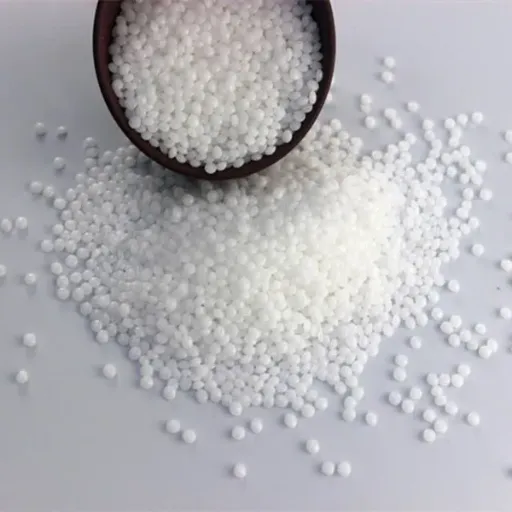
ABS is the right choice when cost, cosmetics, and ease of molding are the top priorities. It keeps unit costs low. It also delivers excellent surface finish. Specify ABS for housings and other low-stress parts such as:
Appliance housings, vacuum cleaners, and kitchen equipment where surface appearance matters
Toys, luggage, and consumer goods with moderate impact requirements
Automotive interior trim that does not see high heat or heavy load
Parts that will be painted, plated, or textured
Prototyping and low-volume production where fast cycle times reduce cost
A designer at a small appliance manufacturer, Chen Mei, chose ABS for a new electric kettle housing. The part needed a high-gloss finish, a color-matched base, and a low unit cost at 200,000 pieces per year. ABS delivered the surface quality and processability her team needed, and the part passed all drop and thermal tests at its operating temperature of 70°C. For that application, ABS was the clear winner.
If your project fits this profile, request a quote for certified ABS grades matched to your specifications.
When to Choose PC/ABS
PC/ABS is the better fit when performance requirements exceed what ABS can reliably deliver. It adds toughness. It also handles heat better. Specify PC/ABS for:
Automotive interior panels, instrument clusters, and trim near heat sources
Premium electronics housings, laptops, tablets, and power tools
Medical-device enclosures that need higher impact resistance and dimensional stability
Safety equipment and parts subject to drop or impact testing
Thin-wall designs where ABS may crack or deform
The same logic applies to parts that travel. A handheld barcode scanner used in warehouses sees repeated drops onto concrete. ABS housings cracked at the corner radii after 10-20 drops in internal testing. A PC/ABS blend passed 50+ drop cycles without failure, eliminating a costly field-reliability issue.
For demanding applications, explore our PC/ABS grades or speak with our team about application-specific recommendations.
ABS vs PC/ABS: Industry Application Comparisons
Different industries weight the ABS vs PC/ABS decision differently. Here is how the choice plays out across three major markets.
Automotive
Automotive interiors use both materials, but the location determines the grade. ABS handles lower-stress trim, decorative inserts, and covers away from heat sources. PC/ABS for automotive interiors takes the load for instrument panels, center consoles, pillar trim, and parts exposed to dashboard heat. Many OEM specifications now require PC/ABS for anything near the windshield or above the transmission tunnel.
The automotive sector also values consistency. A single off-spec batch can shut down an assembly line. That is why suppliers prioritize authorized distribution channels with full batch documentation.
Electronics and Appliances
Consumer electronics often start with ABS during concept development because it is inexpensive and easy to prototype. Once durability testing begins, the housing frequently migrates to PC/ABS. Laptops, monitors, routers, and power-tool bodies are common PC/ABS applications.
Appliances lean toward ABS unless the part sees elevated temperatures. Coffee makers, irons, and hair dryers may use PC/ABS near heating elements, while the main body stays in ABS for cost and appearance.
Industrial Equipment
Industrial housings, control panels, and handheld devices face rough handling. PC/ABS resists impacts, chemicals, and temperature swings better than ABS in these environments. For static enclosures in climate-controlled rooms, ABS remains a practical and economical choice.
Sourcing Authentic ABS and PC/ABS in China
Material selection is only half the challenge. Sourcing authentic, traceable resin is equally important. Counterfeit or off-spec ABS and PC/ABS circulate in some channels, and the defects often appear only after molding or in the field.
Ailide Polymer sources ABS, PC/ABS, PC, and related engineering plastics through authorized channels from globally recognized suppliers including Chi Mei Corporation, Formosa Plastics, Bayer, and BASF. Every batch ships with technical data sheets, certificates of analysis, and batch traceability documentation. This protects your production line from unexpected material variations and supports your quality audits.
We also provide technical guidance to help you choose between ABS and PC/ABS based on your part geometry, loading conditions, processing equipment, and end-use environment. Whether you need a trial batch for validation or a long-term production supply program, our team works with you to specify the right grade and deliver on schedule.
Learn more about our quality assurance processes, browse our full engineering plastics portfolio, or request a quote for your target grade.
Frequently Asked Questions
Is PC/ABS stronger than ABS?
Yes. PC/ABS blends typically deliver 40-100% higher notched Izod impact strength and 20-40% higher heat deflection temperature than standard ABS. Tensile strength is also higher, generally 45-60 MPa for PC/ABS versus 30-50 MPa for ABS.
Can I paint or plate PC/ABS like ABS?
PC/ABS accepts paint and plating well, though ABS often provides a slightly smoother cosmetic finish. For high-gloss or decorative parts, test your specific coating system on the chosen grade before committing to production.
Does PC/ABS cost more than ABS?
Yes. PC/ABS usually costs 30-60% more per kilogram than standard ABS, depending on grade, ratio, and volume. However, the total cost of ownership can be lower if the improved properties prevent failures or redesigns.
What drying conditions does PC/ABS need?
PC/ABS should be dried for 3-4 hours at 100-110°C before processing. Inadequate drying causes splay, bubbles, and hydrolysis-related property loss, especially from the polycarbonate fraction.
Where can I buy certified ABS and PC/ABS in China?
Ailide Polymer supplies certified ABS and PC/ABS grades through authorized distribution channels from global resin producers. Materials ship with full documentation and batch traceability. Contact our team for a quote or technical recommendation.
Conclusion
ABS and PC/ABS are both reliable engineering plastics, but they serve different needs. This engineering plastics comparison shows that ABS excels in cost-sensitive, cosmetic, and easy-to-process applications. PC/ABS steps up when impact strength, heat resistance, and dimensional stability matter more than raw material savings.
The best choice depends on four factors: the mechanical loads your part will see, the temperatures it will encounter, the surface finish and processing constraints you face, and the total cost of ownership over the product life. When those factors point toward PC/ABS, the upgrade pays for itself through fewer failures and faster validation. When they favor ABS, you keep costs down without sacrificing appearance.
If you are still deciding between ABS and PC/ABS, our material selection guides and technical team can help you apply this ABS vs PC/ABS analysis to your project. Request a quote for certified ABS or PC/ABS, and we'll provide technical data sheets and batch documentation to support your next production run.
Recently Posted
-
ABS in Automotive Interiors: From Dashboards to Door Panels
September 2, 2026A tier-two supplier once substituted a general-purpose ABS for an automotive-grade ABS on a door trim component to save 4% on resi Read More
 -
ABS Flame Retardant Grades and UL 94 Ratings Explained: A Practical Guide for Buyers and Designers
September 2, 2026An electronics manufacturer once submitted a power-supply housing molded from standard ABS to a safety certification test. The mat Read More
 -
KOCETAL K300 vs Formosa FM090 vs DURACON M90: Picking the Right Medium-Viscosity POM
September 2, 2026A gear shop in India once ordered a container of acetal copolymer based on a 5% price discount, without checking whether the grade Read More
 -
PP vs PE: Which Polyolefin Resin Fits Your Application?
September 2, 2026A bottle manufacturer once chose HDPE for a hot-fill juice container and watched the bottles distort on the filling line. The mate Read More

Contact Us
Recommended Products
-
 Automotive Interior Clip and Door Lock POM K300 Injection Molding Material With Low FrictionNegotiableMOQ: 1 Kilogram
 -
KOCETAL POM K300 Virgin Pellets For Precision Gear Bearing Automotive Latch Water Valve PartsNegotiableMOQ: 1 Kilogram
-
Original Kolon POM K300 Engineering Plastic Wear Resistant Self Lubricating Acetal GranulesNegotiableMOQ: 1 Kilogram
-
Self-Lubricating POM K300 HDT 120°C Wear Resistant Resin With 0.2% Moisture AbsorptionNegotiableMOQ: 1 Kilogram
-
POM FM090AW PTFE Filled Wear Resistant Low Friction Acetal for Silent GearsNegotiableMOQ: 1 Kilogram
-
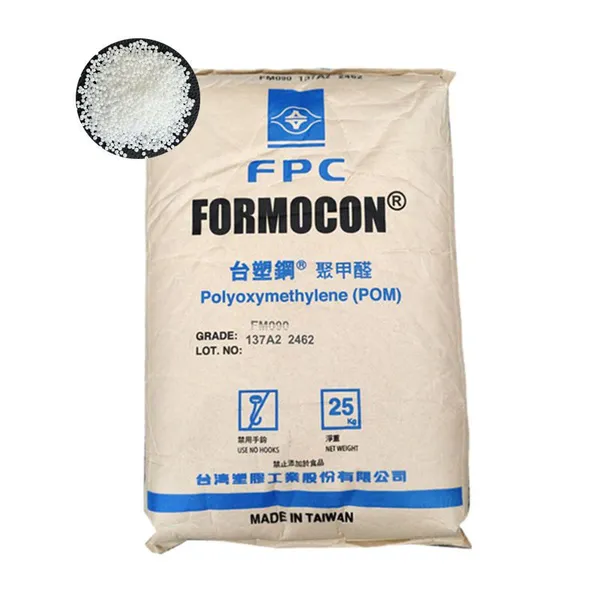
POM FM090 General Purpose Acetal Copolymer With Excellent MachinabilityNegotiableMOQ: 1 Kilogram
-
POM FM090 Standard Flow Acetal Copolymer Granules for Precision Injection MoldingNegotiableMOQ: 1 Kilogram
-
POM FM090 UV Stabilized Acetal Resin for Outdoor Automotive ComponentsNegotiableMOQ: 1 Kilogram
-
Technical Support Available POM K300 Acetal Copolymer for Precision Injection Molding ServiceNegotiableMOQ: 1 Kilogram
-
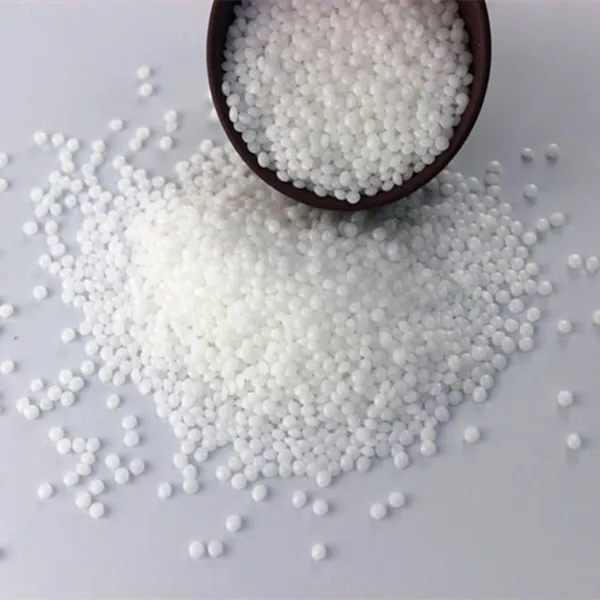
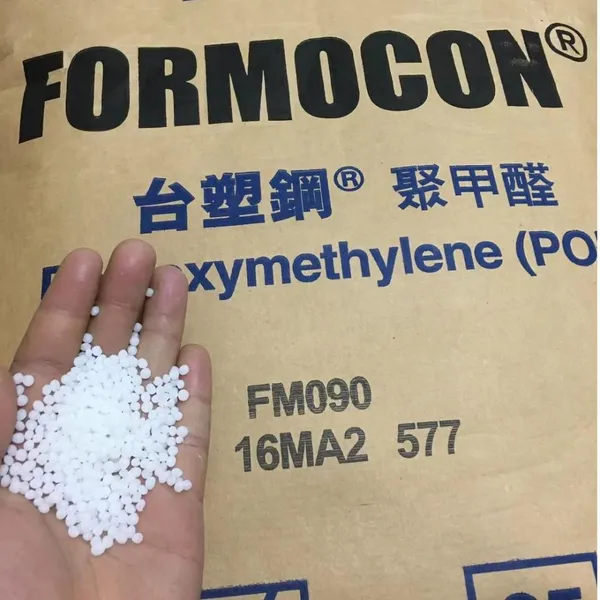
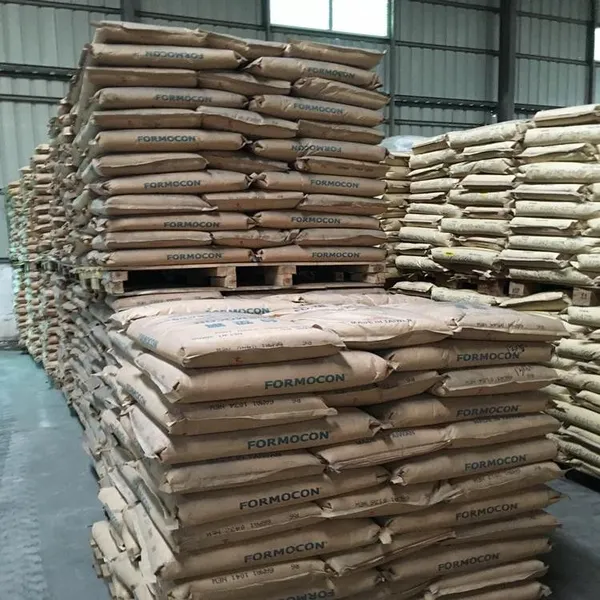
KOCETAL POM K300 Acetal Copolymer MFR 9 G/10min 1.41g/cm³ Tensile Strength 60MPaNegotiableMOQ: 1 Kilogram
-
Factory Price Polyacetal POM Resin FM090 for Engineering ApplicationsNegotiableMOQ: 1 Kilogram
-
High Strength Cheap POM FM090 UV Engineering Plastic for Automotive PartsNegotiableMOQ: 1 Kilogram
-
Virgin POM FM090 Granules Pellets Engineering Plastic Raw MaterialNegotiableMOQ: 1 Kilogram
-
POM K300 Plastic Granules 1.5% Shrinkage Rate 80 Shore D Hardness Stable Injection Molding PerformanceNegotiableMOQ: 1 Kilogram
-
Low Friction Coefficient High Dimensional Stability POM K300 Acetal Copolymer Injection Molding GradeNegotiableMOQ: 1 Kilogram

-
POM K300 Acetal Sheet Used for Automotive Gear Components and Conveyor Chains in Industrial MachineryNegotiableMOQ: 1 Kilogram
-
POM K300 Engineering Plastic Sheet With Melting Point 165°C and Excellent Wear Resistance for MachiningNegotiableMOQ: 1 Kilogram
-
POM K300 Acetal Copolymer Injection Molding Grade With Low Friction Coefficient and High Dimensional StabilityNegotiableMOQ: 1 Kilogram
-
POM K300 Polyoxymethylene Resin MFI 9 Engineering Plastic Granule for Injection MoldingNegotiableMOQ: 1 Kilogram
-
Virgin POM Granules Polyoxymethylene Pellets Manufacturer Direct Price for Injection MoldingNegotiableMOQ: 1 Kilogram