Business License

ABS vs Polycarbonate: Which Plastic is Right for Your Application?
This ABS vs polycarbonate comparison starts with a simple rule: for most housings, enclosures, and consumer-facing parts, ABS is the better choice when cost, moldability, and surface finish are the top priorities. Polycarbonate (PC) is the better choice when impact resistance, optical clarity, or heat resistance drives performance. The right material depends on your mechanical load, temperature exposure, chemical environment, and aesthetic requirements.
Imagine a product team at a Shenzhen electronics factory reviewing two prototype remote-control housings. One is molded in ABS, the other in polycarbonate. Both look identical on the desk. Then the quality manager drops each one from 1.5 meters onto concrete. The ABS housing cracks at the corner. The polycarbonate housing bounces and survives.
That single test changed their material decision, but it also added roughly 30% to the raw-material cost. This is the daily trade-off engineers face when comparing ABS vs polycarbonate.
You probably already know that ABS and polycarbonate are both thermoplastics used across automotive, electronics, appliances, and industrial markets. You also know that choosing the wrong grade can lead to field failures, warranty claims, or unnecessary cost. In this guide, you'll learn how ABS and polycarbonate differ in mechanical properties, thermal performance, processability, cost, and real-world applications. You'll also see when a PC/ABS blend may offer the best of both materials.
Ailide Polymer distributes certified ABS, polycarbonate, and PC/ABS grades from authorized global suppliers including Chi Mei, Formosa Plastics, Bayer, and BASF. Our technical team helps manufacturers match the right material to the application, with full documentation and batch traceability for every order.
Key Takeaways
ABS offers lower cost, easier processing, and excellent surface finish for housings and trim.
Polycarbonate delivers higher impact strength, heat resistance, and optical clarity than ABS.
ABS is preferred for appliance housings, consumer electronics, and automotive interior trim.
Polycarbonate is preferred for safety lenses, lighting, transparent covers, and impact guards.
PC/ABS blends balance heat resistance and processability for applications like automotive interiors and electronics enclosures.
What is ABS Plastic?
Acrylonitrile Butadiene Styrene (ABS) is a terpolymer made by combining three monomers. Acrylonitrile provides chemical resistance and heat stability. Butadiene adds toughness and impact resistance. Styrene contributes rigidity, processability, and surface gloss.
The result is a versatile ABS plastic that is easy to injection mold, plate, paint, and bond.
ABS is an amorphous thermoplastic with a relatively low melting point compared to engineering resins like PC or nylon. Typical injection molding temperatures range from 220 °C to 260 °C. The material flows well into thin-walled geometries and reproduces fine surface detail, which makes it ideal for cosmetic housings and textured finishes.
Standard grades of ABS offer a tensile strength of approximately 35-50 MPa, flexural modulus of 2,000-2,500 MPa, and notched Izod impact strength of 150-400 J/m. Heat deflection temperature under 1.82 MPa load is typically between 85 °C and 105 °C, depending on grade. ABS can be produced in natural, black, white, and custom colors.
At Ailide Polymer, we supply ABS resin grades from Chi Mei and Formosa Plastics for appliance housings, consumer electronics, automotive trim, and toys. Technical data sheets are available for every grade so you can verify properties before running trials.
Common ABS Applications
Appliance housings for vacuum cleaners, coffee makers, and air conditioners
Consumer electronics enclosures for remotes, keyboards, and routers
Automotive interior trim, bezels, and instrument panels
Office equipment and luggage shells
Toys, including interlocking brick systems
Pipe fittings and low-pressure fluid handling parts
What is Polycarbonate?
Polycarbonate (PC) is a high-performance amorphous thermoplastic known for its outstanding impact resistance and optical clarity. The material contains carbonate groups in its polymer chain, which give it toughness, transparency, and heat resistance. It's one of the few engineering plastics that can be used as a glass replacement in demanding applications.
This polycarbonate plastic offers tensile strength of 55-75 MPa and flexural modulus of 2,200-2,400 MPa. Its most distinctive property is impact strength. Notched Izod values often exceed 650 J/m, and unnotched polycarbonate can withstand extreme impact without shattering. Heat deflection temperature ranges from 130 °C to 145 °C for standard grades, with some high-heat grades exceeding 150 °C.
PC also transmits visible light at roughly 90%, similar to glass, which makes it the material of choice for lenses, light covers, and transparent guards. Major producers including Covestro publish processing guides and property data for polycarbonate materials. It can be injection molded, extruded, thermoformed, and blow molded. Processing temperatures are higher than ABS, typically 270 °C to 320 °C, and the material is more sensitive to moisture. Drying before processing is essential to prevent hydrolysis and surface defects.
Ailide Polymer distributes polycarbonate materials from Bayer and other global producers for lighting, electronics, automotive, and safety applications. Our team can recommend optical, flame-retardant, or reinforced grades based on your specifications.
Common Polycarbonate Applications
Automotive headlamp and taillight lenses
Safety glasses, face shields, and protective barriers
LED light diffusers and covers
Transparent machine guards and glazing
Medical device housings and connectors
Electrical enclosures requiring high heat resistance
ABS vs Polycarbonate: Property Comparison
The table below summarizes the key differences between standard ABS and polycarbonate grades for this engineering plastics comparison. Values are typical ranges and should be confirmed on the technical data sheet for the specific grade you plan to use. For detailed grade-specific data, consult a material database such as UL Prospector.
| Property | ABS | Polycarbonate |
|---|---|---|
| Density | 1.03-1.06 g/cm³ | 1.18-1.22 g/cm³ |
| Tensile strength | 35-50 MPa | 55-75 MPa |
| Flexural modulus | 2,000-2,500 MPa | 2,200-2,400 MPa |
| Notched Izod impact | 150-400 J/m | 650-950 J/m |
| Heat deflection temp | 85-105 °C | 130-150 °C |
| Optical clarity | Opaque | Transparent |
| Mold shrinkage | 0.4-0.7% | 0.5-0.7% |
| Relative raw-material cost | Lower | Higher |
These numbers tell only part of the story. The real decision depends on how the part will be loaded, where it will sit in the assembly, and what trade-offs your design can accept. A housing that never sees impact may not need polycarbonate's toughness. A safety lens that must survive a drop test can't rely on ABS alone.
When the procurement team at a Ningbo appliance manufacturer reviewed the table above, they initially leaned toward polycarbonate for a new blender housing. The design team wanted the premium feel and impact resistance. Then they ran a cost model across 200,000 annual units.
The switch from ABS to PC added roughly 18% to the part cost, and the weight increased by nearly 15%. Because the blender would sit on a kitchen counter and not travel, impact risk was low. They selected ABS with a small wall-thickness increase in high-stress areas. The material performed perfectly in drop tests, and the cost stayed within target.
When to Choose ABS
ABS is the practical choice for applications where cost, cosmetics, and processability matter more than extreme toughness or heat resistance. If your part is a housing, cover, bezel, or trim piece that will be handled indoors, ABS is usually the better starting point.
Choose ABS when your design requires:
Lower material cost: ABS is typically 20-40% less expensive than polycarbonate on a per-kilogram basis, depending on grade and volume.
Excellent surface finish: ABS accepts textures, paints, and plating well, making it ideal for visible consumer products.
Easy processing: Lower melt temperature and wider processing window reduce cycle time and energy use.
Good dimensional stability: Low shrinkage and low moisture absorption support tight-tolerance parts.
Sufficient impact strength: Standard ABS handles typical drops and bumps for household and office products.
For example, when a Guangzhou electronics factory redesigned a wireless charger housing, they chose ABS because the part needed a high-gloss finish, tight color matching, and a low unit cost. The material molded cleanly, accepted a metallic paint without delamination, and passed their 1-meter drop test. Polycarbonate would have been over-engineered for the application.
Want to explore ABS grades for your next project? Browse our ABS materials and request a technical data sheet for comparison.
When to Choose Polycarbonate
Polycarbonate is the right choice when the application demands performance that ABS cannot deliver. The most common drivers are impact resistance, transparency, and heat resistance. If a failure could cause injury, stop production, or trigger a warranty claim, PC is usually worth the extra cost.
Choose polycarbonate when your design requires:
High impact strength: PC survives impacts that would crack or shatter ABS, especially at low temperatures.
Optical clarity: Transparent grades transmit light with minimal haze, suitable for lenses and covers.
Heat resistance: PC maintains stiffness and shape at temperatures above 120 °C.
Flame retardancy: Many grades meet UL94 V-0 ratings for electrical and electronic applications.
Durability in harsh environments: PC resists UV degradation and weathering when properly stabilized.
A Suzhou automotive lighting supplier learned this lesson during a headlamp lens development program. They first trialed an ABS-based material to reduce cost. The prototype passed optical testing at room temperature but cracked during the thermal shock test, which cycles parts between -40 °C and 85 °C. The team switched to a UV-stabilized polycarbonate grade. The lens passed impact, thermal, and long-term weathering tests, and the customer approved the design for production.
Need help selecting a polycarbonate grade? View our PC materials for guidance.
PC/ABS Blends: A Third Option
For many engineers, the ABS vs polycarbonate decision is not binary. PC/ABS blends combine the heat and impact resistance of polycarbonate with the processability and surface quality of ABS. The blend ratio can be adjusted to shift properties toward one resin or the other, which is why some teams frame the choice as ABS vs PC vs PC/ABS.
Typical PC/ABS blends offer heat deflection temperatures of 100-120 °C, notched Izod impact of 400-700 J/m, and better dimensional stability than ABS alone. They process at lower temperatures than pure PC and provide better paint adhesion than pure PC. This makes them popular for automotive interior trim, laptop housings, power-tool bodies, and handheld device enclosures.
A Chongqing automotive supplier selected a PC/ABS blend for an instrument panel bezel because it needed higher heat resistance than ABS for summer dashboard temperatures, but the part also required a soft-touch paint finish that bonded better to ABS-rich surfaces. The PC/ABS grade delivered both requirements without the cost of full polycarbonate.
Ailide Polymer supplies PC/ABS blends for automotive, electronics, and appliance applications. If you are also weighing the ABS vs PC/ABS decision, that guide covers blend selection in more detail. We can help you evaluate blend ratios and recommend grades from certified global producers.
Industry-Specific Application Guide
Different industries prioritize different properties. The guidance below helps narrow the choice based on common use cases.
Automotive
ABS: Interior trim, bezels, glove-box doors, decorative parts
Polycarbonate: Headlamp lenses, taillight lenses, panoramic roof panels, interior light covers
PC/ABS: Instrument panels, center consoles, pillar trim, mirror housings
Electronics and Electrical
ABS: Keyboards, mice, routers, remotes, low-heat enclosures
Polycarbonate: Transparent covers, LED diffusers, high-heat connectors, medical device housings
PC/ABS: Laptop housings, power-tool bodies, monitor bezels, chargers
Appliances
ABS: Vacuum cleaners, coffee makers, fans, small kitchen appliances
Polycarbonate: Blender jars, food-processor bowls, microwave door windows, refrigerator interior parts
PC/ABS: High-end appliance housings with heat and impact requirements
Industrial and Safety
ABS: Enclosures for indoor equipment, low-impact covers
Polycarbonate: Machine guards, safety glasses, face shields, vandal-resistant glazing
PC/ABS: Handheld industrial devices, power-tool housings
Processing Considerations
ABS and polycarbonate can both be injection molded, but their processing behavior differs. Understanding these differences helps avoid defects and reduces scrap. Industry publications such as Plastics Technology cover common troubleshooting approaches for both materials.
Drying Requirements
ABS should be dried to below 0.1% moisture before processing. Polycarbonate is more hygroscopic and typically requires drying at 120 °C for 3-4 hours to reach moisture levels below 0.02%. Inadequate drying causes splay, bubbles, and reduced mechanical properties in PC.
Melt Temperature
ABS processes at 220-260 °C. Polycarbonate requires 270-320 °C. PC/ABS blends fall in the middle at 240-280 °C. Higher temperatures mean higher energy costs and longer cooling times for PC.
Mold Design
Both materials benefit from uniform wall thickness and generous radii to reduce stress concentrations. Polycarbonate parts are more prone to gate blush and stress cracking, so gate location and type require careful attention. ABS is more forgiving in thin-wall molding and complex geometries.
Secondary Operations
ABS is easier to paint, plate, and bond than polycarbonate. Polycarbonate can be polished to optical clarity and is often used for transparent parts that require machining or thermoforming after molding.
Cost and Supply Considerations
Polycarbonate is generally 20-40% more expensive than ABS on a resin basis, depending on grade, quantity, and market conditions. Specialized grades such as optical, flame-retardant, or UV-stabilized PC carry additional premiums. PC/ABS blends typically sit between the two in price.
Beyond resin cost, consider tooling and processing. Polycarbonate molds at higher temperatures and may require hot-runner systems or insulated tooling for large parts. Cycle times can be longer due to higher heat-deflection temperature and thicker sections. These factors can offset the raw-material savings of choosing ABS.
Supply stability also matters. Both ABS and polycarbonate are produced globally by major resin suppliers. Ailide Polymer sources certified grades through authorized channels from Chi Mei, Formosa Plastics, Bayer, BASF, and other recognized producers. This ensures batch-to-batch consistency and protects against counterfeit or off-spec material.
For procurement teams managing multiple resin categories, consolidating ABS, PC, and PC/ABS purchases through a single authorized distributor simplifies vendor management and documentation. Ailide Polymer provides technical data sheets, certificates of analysis, and batch traceability for every lot.
How to Validate Your Material Choice
The fastest way to confirm whether ABS or polycarbonate fits your application is to test molded samples under real conditions. Start with a small trial batch of each candidate grade, then evaluate performance against your critical requirements.
Recommended validation steps:
Define the failure modes: Identify whether impact, heat, chemicals, UV, or dimensional change is the primary risk.
Request technical data sheets: Compare properties at operating temperature, not just room temperature.
Mold test plaques: Evaluate surface finish, color, sink marks, and warpage with your tool design.
Run mechanical tests: Perform drop tests, impact tests, and thermal cycling on representative parts.
Check chemical compatibility: Expose samples to oils, cleaners, and environmental contaminants expected in end use.
Calculate total cost: Include resin, processing cycle time, scrap rate, and secondary operations.
A Wuxi industrial equipment manufacturer followed this process when selecting a material for a handheld controller housing. They initially assumed polycarbonate was necessary because the device operated in a factory environment. After testing, they found that ABS with an added rubber overmold met the drop and chemical requirements at a lower total cost. The validation step saved them approximately 12% on the finished part.
Ready to test ABS or polycarbonate in your application? Request a quote for trial quantities and technical data sheets from Ailide Polymer.
Frequently Asked Questions
Is polycarbonate stronger than ABS?
Yes, polycarbonate is stronger than ABS in terms of tensile strength and impact resistance. PC typically has tensile strength of 55-75 MPa compared to 35-50 MPa for ABS. Polycarbonate also absorbs far more impact energy before failure, especially at low temperatures.
Can ABS replace polycarbonate?
ABS can replace polycarbonate in applications where impact resistance, heat resistance, and optical clarity are not critical. For housings, bezels, and trim parts with moderate strength requirements, ABS often provides a lower-cost alternative. It can't replace PC in safety lenses, lighting, or high-heat parts.
What are the main disadvantages of polycarbonate?
Polycarbonate costs more than ABS, requires more careful drying and processing, and is more susceptible to scratching without coatings. It can also stress crack when exposed to certain chemicals. For cosmetic parts that do not need transparency or extreme toughness, PC may be over-specified.
Is PC/ABS better than pure ABS or PC?
PC/ABS is not universally better; it is a compromise. It offers better heat and impact resistance than ABS, along with easier processing and better surface finish than pure PC. It is a strong choice for automotive interiors, electronics housings, and power tools where a balance of properties is needed.
Which material is better for outdoor use?
Polycarbonate is generally better for outdoor use when properly UV stabilized. Standard ABS degrades more quickly under prolonged UV exposure unless protected with coatings or UV-stabilized grades. For long-term outdoor exposure, choose UV-stabilized PC or a weatherable PC/ABS blend.
Conclusion
The ABS vs polycarbonate decision comes down to matching material capabilities to application requirements. ABS delivers lower cost, easier processing, and excellent surface finish for housings, trim, and consumer products. Polycarbonate delivers superior impact resistance, heat resistance, and optical clarity for safety, lighting, and demanding structural parts. PC/ABS blends offer a practical middle ground when you need a balance of both.
The key is to avoid over-specifying. A material that exceeds every requirement may also exceed your cost target. A material chosen only for price may fail in the field. Start with your critical performance requirements, test candidate grades with molded samples, and confirm properties on the technical data sheet.
Ailide Polymer helps manufacturers across China select the right ABS, polycarbonate, or PC/ABS grade for their application. We source certified materials from authorized global suppliers and provide the documentation, technical support, and nationwide delivery you need to keep production running smoothly. For more decision frameworks, see our material selection guides.
Recently Posted
-
ABS in Automotive Interiors: From Dashboards to Door Panels
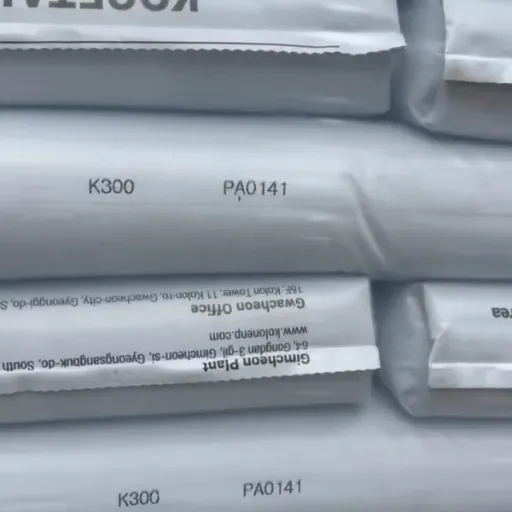
September 2, 2026A tier-two supplier once substituted a general-purpose ABS for an automotive-grade ABS on a door trim component to save 4% on resi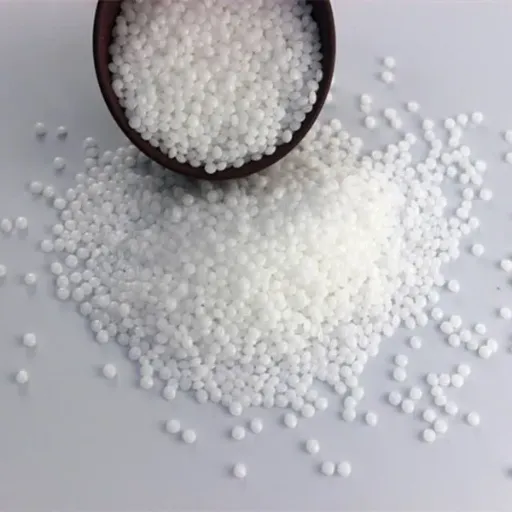 Read More
 -
ABS Flame Retardant Grades and UL 94 Ratings Explained: A Practical Guide for Buyers and Designers
September 2, 2026An electronics manufacturer once submitted a power-supply housing molded from standard ABS to a safety certification test. The mat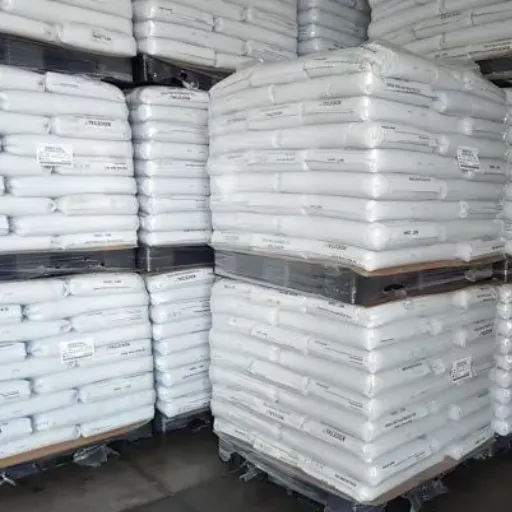 Read More
 -
KOCETAL K300 vs Formosa FM090 vs DURACON M90: Picking the Right Medium-Viscosity POM
September 2, 2026A gear shop in India once ordered a container of acetal copolymer based on a 5% price discount, without checking whether the grade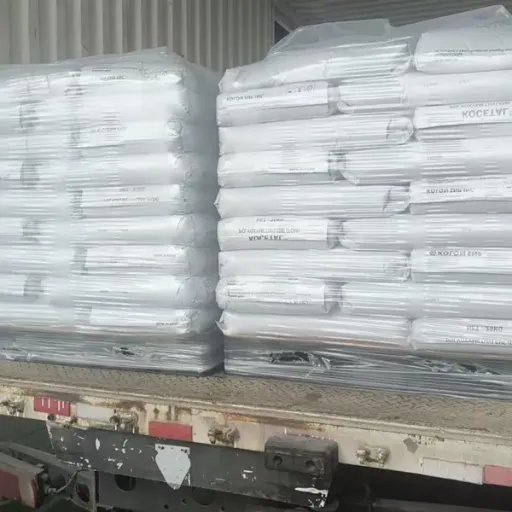 Read More
 -
PP vs PE: Which Polyolefin Resin Fits Your Application?
September 2, 2026A bottle manufacturer once chose HDPE for a hot-fill juice container and watched the bottles distort on the filling line. The mate Read More

Contact Us
Recommended Products
-
 Automotive Interior Clip and Door Lock POM K300 Injection Molding Material With Low FrictionNegotiableMOQ: 1 Kilogram
 -
KOCETAL POM K300 Virgin Pellets For Precision Gear Bearing Automotive Latch Water Valve PartsNegotiableMOQ: 1 Kilogram
-
Original Kolon POM K300 Engineering Plastic Wear Resistant Self Lubricating Acetal GranulesNegotiableMOQ: 1 Kilogram
-
Self-Lubricating POM K300 HDT 120°C Wear Resistant Resin With 0.2% Moisture AbsorptionNegotiableMOQ: 1 Kilogram
-
POM FM090AW PTFE Filled Wear Resistant Low Friction Acetal for Silent GearsNegotiableMOQ: 1 Kilogram
-
POM FM090 General Purpose Acetal Copolymer With Excellent MachinabilityNegotiableMOQ: 1 Kilogram
-
POM FM090 Standard Flow Acetal Copolymer Granules for Precision Injection MoldingNegotiableMOQ: 1 Kilogram
-
POM FM090 UV Stabilized Acetal Resin for Outdoor Automotive ComponentsNegotiableMOQ: 1 Kilogram
-
Technical Support Available POM K300 Acetal Copolymer for Precision Injection Molding ServiceNegotiableMOQ: 1 Kilogram
-
KOCETAL POM K300 Acetal Copolymer MFR 9 G/10min 1.41g/cm³ Tensile Strength 60MPaNegotiableMOQ: 1 Kilogram
-
Factory Price Polyacetal POM Resin FM090 for Engineering ApplicationsNegotiableMOQ: 1 Kilogram
-
High Strength Cheap POM FM090 UV Engineering Plastic for Automotive PartsNegotiableMOQ: 1 Kilogram
-
Virgin POM FM090 Granules Pellets Engineering Plastic Raw MaterialNegotiableMOQ: 1 Kilogram
-
POM K300 Plastic Granules 1.5% Shrinkage Rate 80 Shore D Hardness Stable Injection Molding PerformanceNegotiableMOQ: 1 Kilogram
-
Low Friction Coefficient High Dimensional Stability POM K300 Acetal Copolymer Injection Molding GradeNegotiableMOQ: 1 Kilogram

-
POM K300 Acetal Sheet Used for Automotive Gear Components and Conveyor Chains in Industrial MachineryNegotiableMOQ: 1 Kilogram
-
POM K300 Engineering Plastic Sheet With Melting Point 165°C and Excellent Wear Resistance for MachiningNegotiableMOQ: 1 Kilogram
-
POM K300 Acetal Copolymer Injection Molding Grade With Low Friction Coefficient and High Dimensional StabilityNegotiableMOQ: 1 Kilogram
-
POM K300 Polyoxymethylene Resin MFI 9 Engineering Plastic Granule for Injection MoldingNegotiableMOQ: 1 Kilogram
-
Virgin POM Granules Polyoxymethylene Pellets Manufacturer Direct Price for Injection MoldingNegotiableMOQ: 1 Kilogram