Business License

PP in Food Packaging: Containers, Films, and Closures
A frozen-food brand once switched its microwaveable tray from a multilayer material to a cheaper single-layer film to save packaging cost. Within a quarter, customers returned trays that warped during reheating, and the recall cost more than three years of packaging savings. The failure was a material mismatch, not a factory problem.
Polypropylene, or PP, has become one of the most trusted materials in food packaging because it balances heat resistance, chemical safety, clarity options, and cost. But choosing PP for a food package is not as simple as picking any PP grade; the application, the food type, and the target market's regulations all shape the correct choice.
This guide breaks down how PP is used across containers, films, and closures, what to look for in a food-grade resin, and which compliance documents you should request before buying.
1. Why PP Is a Default Choice in Food Packaging
PP's high melting point, around 160 to 170°C, allows food containers to handle hot filling, pasteurization, and microwave reheating without deforming. That heat tolerance is the main reason PP replaced many other thermoplastics in foodservice and retail packaging.
PP also resists fats, oils, and most food acids, so it does not break down or stain when it touches butter, dressings, or tomato-based sauces. This chemical resistance keeps packaging looking clean and protects the food from contamination.
The material is lightweight, with a density of roughly 0.90 to 0.91 g/cm³, which reduces shipping weight and cost across the supply chain. Combined with a reasonable price per kilogram, PP delivers strong packaging economics at scale.
Volume confirms the position. Flexible and rigid polypropylene packaging together account for a large share of the global food packaging market, and demand continues to grow with the expansion of ready meals, takeout, and e-commerce grocery delivery. For packaging converters, PP is not an exotic choice; it is a volume workhorse that must be sourced reliably.
2. Food Contact Safety: Regulations That Govern PP
Food-contact plastics are regulated by migration limits: how much of the material's components may transfer into food under defined conditions. In the United States, the FDA's 21 CFR 177.1520 covers olefin polymers including PP, while the European Union applies Regulation (EU) 10/2011 for plastic food-contact materials.
These regulations set global migration limits and specific restrictions on additives such as stabilizers and colorants. A resin that passes one standard does not automatically pass another, so brands exporting food packaging need to confirm compliance for each target market.
Buyers should request the supplier's compliance statement and test reports before production. At Ailide Polymer (Jiangsu), we provide the relevant documentation for food-grade PP grades so customers can verify compliance without chasing certificates.
Understanding how migration is measured helps you read the reports. A sample of the finished material is exposed to a food simulant at a set temperature and time, then the simulant is analyzed for migrated substances. The results are compared against legal limits, and the report states whether the material passes under the tested conditions.
3. PP Containers: Yogurt Cups, Tubs, and Trays
Thin-wall PP containers are everywhere in retail food: yogurt cups, margarine tubs, deli trays, and ready-meal trays. These parts are injection-molded or thermoformed from food-grade PP grades with a carefully chosen melt flow rate.
Yogurt cups need a PP grade that fills thin walls cleanly, typically a random copolymer with good clarity and a melt flow rate in the range of 10 to 20 g/10 min. The same grade family also suits margarine tubs, where the lid must form a reliable seal after repeated opening.
Microwavable trays push the material harder. They must survive both freezer temperatures and reheating to over 100°C, which favors impact copolymer PP for its toughness across that temperature span. Tray design also adds ribs and wall geometry to resist warpage during reheating.
Thermoforming is a second production route for PP packaging. A sheet of PP is heated and drawn over a mold to create trays and containers, which suits high-volume, low-cost production. The resin for thermoforming needs a broader processing window than injection grades, and converters often rely on dedicated sheet extrusion lines before forming.
4. PP Films: BOPP and Cast Film Applications
Polypropylene films come in two main forms. Biaxially oriented polypropylene, or BOPP, is stretched in two directions to gain strength, clarity, and stiffness, making it the standard for snack packaging and candy wrappers. Cast PP film is produced without orientation and offers softer, more flexible performance.
BOPP film is prized for its glossy surface, moisture barrier, and printability. It wraps biscuits, crisps, confectionery, and bakery goods, often with a thin heat-seal coating on one side.
Cast PP film, sometimes called CPP, is used where flexibility and sealing matter more than stiffness, such as laminates and bags. Both film types rely on PP resin with tight molecular weight control, and film converters usually buy resin directly from compounders or specialized distributors.
Barrier performance is the deciding factor for many food applications. PP offers a good moisture barrier but a moderate oxygen barrier, so fatty or oxygen-sensitive foods often use PP in a laminate with aluminum foil or a barrier coating. The choice between single-layer PP and a multilayer structure is a shelf-life decision, not just a cost decision.
5. Closures and Caps: Living Hinge Performance
PP is the dominant material for bottle caps, jar lids, and flip-top closures because of its living hinge behavior. A properly designed PP hinge can flex hundreds of thousands of times without breaking, which is exactly what a flip-top cap needs.
Closure grades are typically PP homopolymer or a tailored copolymer, with a melt flow rate selected for fast cycles in high-cavity molds. Caps are molded in enormous volumes, sometimes in 64-cavity or higher tools, so flow consistency from lot to lot is essential.
Sealing performance depends on the interaction between the cap geometry, the liner or sealing surface, and the closure's dimensional stability. PP's low moisture absorption helps caps hold their dimensions in humid storage environments.
Tamper-evidence is another closure job PP handles well. Breakaway rings and tear-off bands are molded in PP as part of the cap, and the material's controlled flexibility lets them perform their function without cracking in transit. Designers balance hinge fatigue, sealing force, and tamper performance in one small part.
6. Key Properties That Matter for Packaging
The table below summarizes the PP properties that packaging designers rely on most, with typical values for food-grade grades. Use these numbers as a baseline when comparing resin options.
| Property | Typical Value | Packaging Relevance |
|---|---|---|
| Melting point | 160–170°C | Microwave and hot-fill safety |
| Density | 0.90–0.91 g/cm³ | Lightweight, shipping cost |
| MFR | 2–30 g/10 min | Thin-wall filling, cycle time |
| Water vapor transmission | Low | Moisture barrier for dry foods |
| Grease resistance | Excellent | Oily and fatty foods |
Beyond the numbers, food packaging has a sensory requirement that other industries ignore: the package must not transfer odor or taste to the food. Resin producers and converters run sensory tests on new grades, and buyers should ask whether a grade has been sensory-approved for food contact. A chemically compliant material can still fail commercially if it taints the product.
7. Homopolymer vs Copolymer in Packaging
PP homopolymer delivers the highest stiffness and heat resistance, making it a good choice for closures, trays, and structural packaging parts. Its trade-off is reduced impact strength at low temperature, which matters for frozen food packaging.
Random copolymer adds clarity and improves impact at low temperatures, which is why it dominates clear cups and containers. Impact copolymer goes further in toughness and suits frozen trays and heavier-duty packaging.
The selection logic is simple. If the package is stored cold or dropped often, move toward copolymer; if it needs stiffness and heat performance above all, homopolymer may serve better. A supplier can help map your application to the right family. Ailide Polymer (Jiangsu) Co Ltd carries both homopolymer and copolymer grades for food packaging, so converters can compare real datasheets instead of guessing.
We have seen a frozen-food producer reduce container failures simply by switching from a homopolymer tray to an impact copolymer grade while keeping the same tool. The tray stiffness barely changed, but the low-temperature drop performance improved enough to cut breakage in transit. A grade change that preserves the mold is a low-cost fix with immediate results.
8. Compliance Documents Buyers Should Request
For food-grade PP, request a clear set of documents before ordering: the FDA compliance statement or EU 10/2011 declaration, the migration test report for the specific grade, and the material data sheet. The batch certificate ties the shipment to these documents.
If you export packaged food to multiple regions, check each market's rules. For example, some Asian markets follow their own national standards that reference ISO or GB testing methods, and Japan and Korea have specific positive lists for food-contact additives.
The table below lists the typical compliance documents and what each one confirms.
| Document | What It Confirms |
|---|---|
| FDA compliance statement | Acceptance under US 21 CFR 177.1520 |
| EU 10/2011 declaration | Compliance with EU migration limits |
| Migration test report | Actual measured migration values |
| Material data sheet | Grade properties and additives |
| Certificate of analysis | Batch-specific test results |
One practical note: keep these documents on file even after the order is delivered. Regulators and retail customers may audit packaging materials months later, and a missing certificate can halt a product launch. Digitizing the documents at receipt, with the batch number in the filename, makes future audits painless.
9. Trends: Recycled PP and Lightweighting
Recycled PP is entering food packaging, but only in specific approved forms. Food-contact-grade recycled PP, often certified under schemes that verify decontamination, is growing in Europe and other regions where circular-economy targets push brands to use recycled content.
Lightweighting is the other constant trend. Brands continuously reduce container wall thickness to cut resin use and shipping cost, which pushes resin suppliers to deliver grades that fill thinner without losing strength.
Both trends raise the importance of consistent resin quality. A packaging line running at 500 parts per minute cannot tolerate batch-to-batch variation, so buyers increasingly source from distributors with strict quality control and stable supply, like the material specialists at Ailide Polymer.
10. FAQ About PP in Food Packaging
10.1 Is PP safe for microwaving?
Yes, food-grade PP is generally microwave-safe up to temperatures around 120°C, which is why it is the standard material for microwaveable containers. The package should be labeled as microwave-safe, and containers with metal trim or inappropriate lids should not be microwaved. Always confirm the specific grade's heat rating with the supplier, because additives and wall thickness affect real-world performance and safety margins in daily use.
10.2 Can PP packaging be recycled?
Yes, PP is widely recycled, and recycled PP is used in many non-food and increasingly in approved food-contact applications. The recycling rate for PP is lower than for PET or HDPE in many regions, but collection schemes and certification programs are improving. Brands looking for recycled-content packaging should verify that the recycled resin meets the food-contact requirements of their target markets.
10.3 What is the difference between BOPP and cast PP film?
BOPP is stretched in both directions, which makes it stronger, stiffer, clearer, and better for printing, while cast PP film is softer and more flexible. BOPP is used for wrappers and pouches where stiffness and print quality matter, while CPP is used in laminates and flexible bags where sealing and softness are priorities. The resin grades and processing lines for the two are different, so they are usually supplied by film specialists who run dedicated extrusion equipment.
10.4 What documents prove a PP grade is food-grade?
The key documents are the FDA compliance statement or EU 10/2011 declaration, the migration test report, and the material data sheet. The certificate of analysis ties those documents to a specific batch. Reputable suppliers provide these without delay, and buyers should treat a supplier's reluctance to share them as a warning sign before committing to a food-packaging order.
If you sell into several regions, ask the supplier to confirm compliance for each target market rather than assumi
Recently Posted
-
ABS in Automotive Interiors: From Dashboards to Door Panels
September 2, 2026A tier-two supplier once substituted a general-purpose ABS for an automotive-grade ABS on a door trim component to save 4% on resi Read More
 -
ABS Flame Retardant Grades and UL 94 Ratings Explained: A Practical Guide for Buyers and Designers
September 2, 2026An electronics manufacturer once submitted a power-supply housing molded from standard ABS to a safety certification test. The mat Read More
 -
KOCETAL K300 vs Formosa FM090 vs DURACON M90: Picking the Right Medium-Viscosity POM
September 2, 2026A gear shop in India once ordered a container of acetal copolymer based on a 5% price discount, without checking whether the grade Read More
 -
PP vs PE: Which Polyolefin Resin Fits Your Application?
September 2, 2026A bottle manufacturer once chose HDPE for a hot-fill juice container and watched the bottles distort on the filling line. The mate Read More

Contact Us
Recommended Products
-
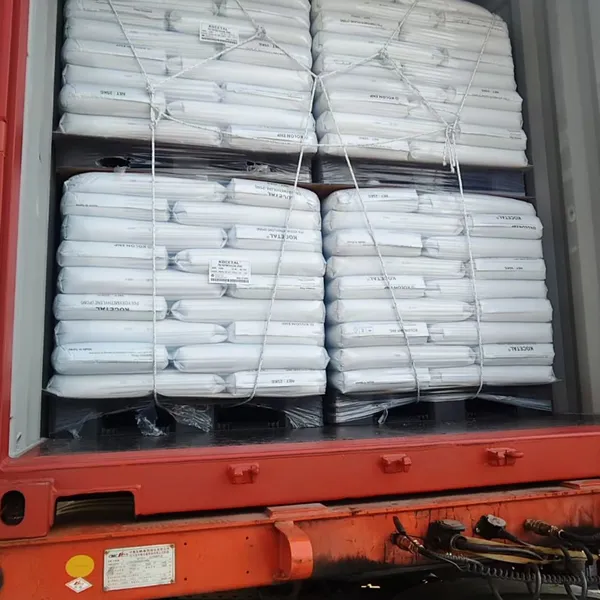
 Automotive Interior Clip and Door Lock POM K300 Injection Molding Material With Low FrictionNegotiableMOQ: 1 Kilogram
 -
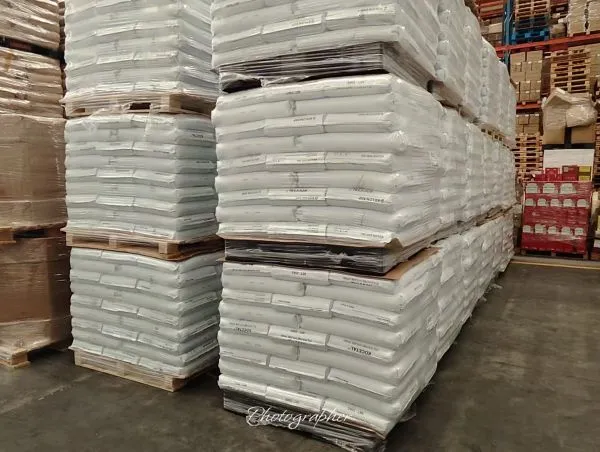
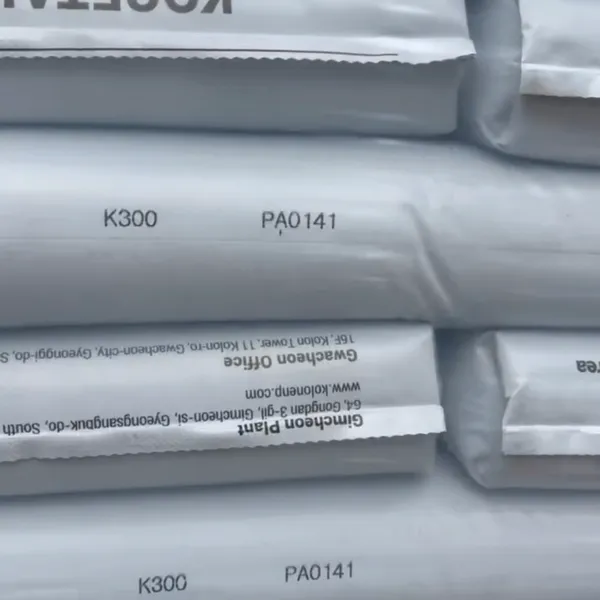
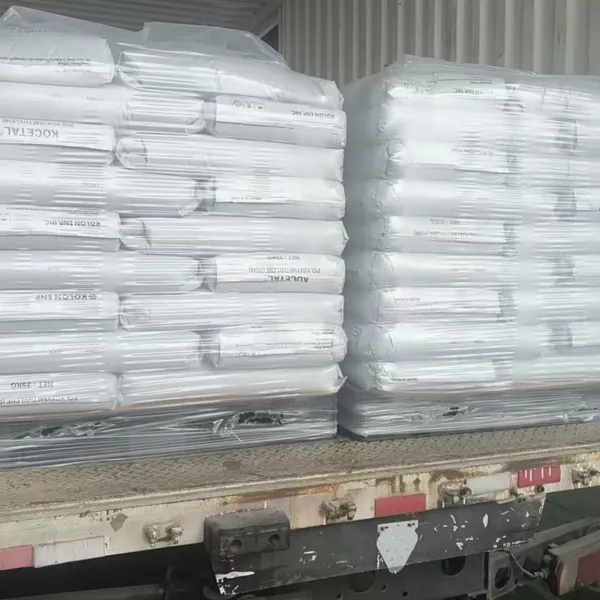
KOCETAL POM K300 Virgin Pellets For Precision Gear Bearing Automotive Latch Water Valve PartsNegotiableMOQ: 1 Kilogram
-
Original Kolon POM K300 Engineering Plastic Wear Resistant Self Lubricating Acetal GranulesNegotiableMOQ: 1 Kilogram
-
Self-Lubricating POM K300 HDT 120°C Wear Resistant Resin With 0.2% Moisture AbsorptionNegotiableMOQ: 1 Kilogram
-
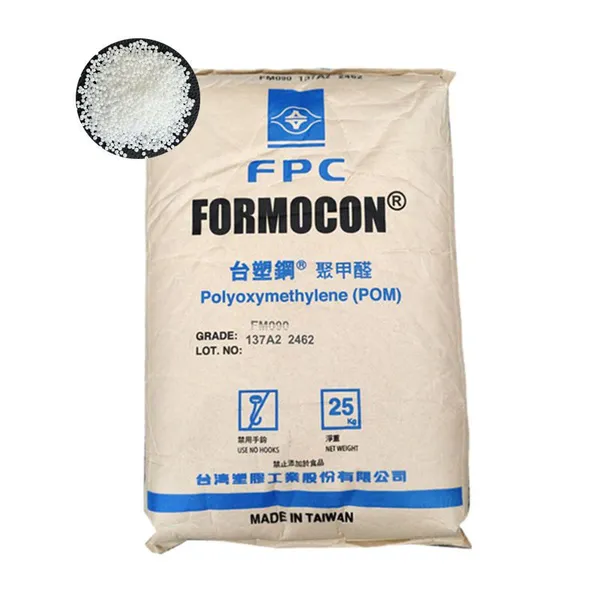
POM FM090AW PTFE Filled Wear Resistant Low Friction Acetal for Silent GearsNegotiableMOQ: 1 Kilogram
-
POM FM090 General Purpose Acetal Copolymer With Excellent MachinabilityNegotiableMOQ: 1 Kilogram
-
POM FM090 Standard Flow Acetal Copolymer Granules for Precision Injection MoldingNegotiableMOQ: 1 Kilogram
-
POM FM090 UV Stabilized Acetal Resin for Outdoor Automotive ComponentsNegotiableMOQ: 1 Kilogram
-
Technical Support Available POM K300 Acetal Copolymer for Precision Injection Molding ServiceNegotiableMOQ: 1 Kilogram
-
KOCETAL POM K300 Acetal Copolymer MFR 9 G/10min 1.41g/cm³ Tensile Strength 60MPaNegotiableMOQ: 1 Kilogram
-
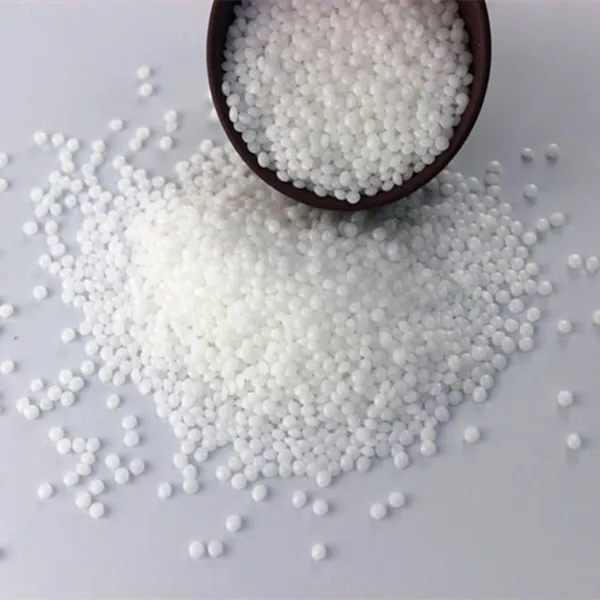
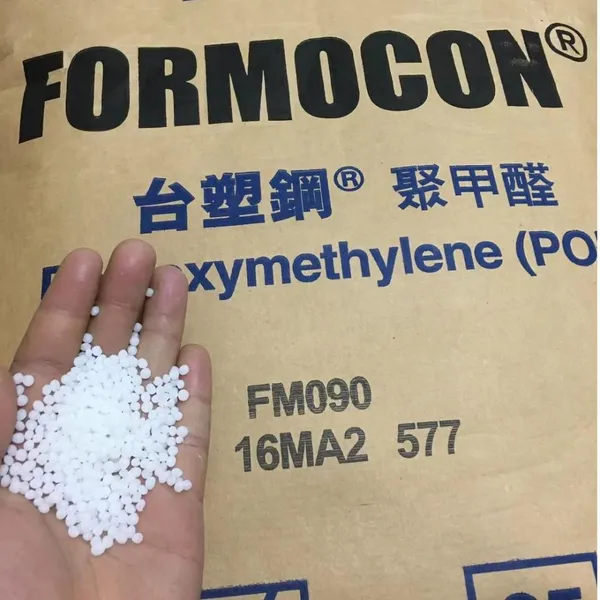
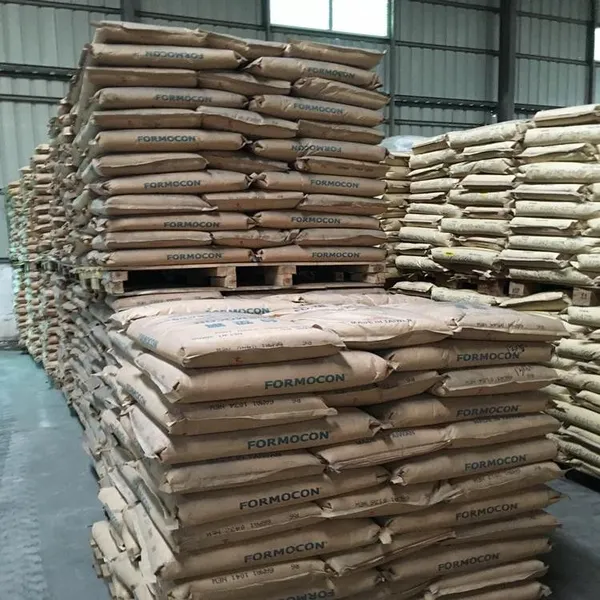
Factory Price Polyacetal POM Resin FM090 for Engineering ApplicationsNegotiableMOQ: 1 Kilogram
-
High Strength Cheap POM FM090 UV Engineering Plastic for Automotive PartsNegotiableMOQ: 1 Kilogram
-
Virgin POM FM090 Granules Pellets Engineering Plastic Raw MaterialNegotiableMOQ: 1 Kilogram
-
POM K300 Plastic Granules 1.5% Shrinkage Rate 80 Shore D Hardness Stable Injection Molding PerformanceNegotiableMOQ: 1 Kilogram
-
Low Friction Coefficient High Dimensional Stability POM K300 Acetal Copolymer Injection Molding GradeNegotiableMOQ: 1 Kilogram

-
POM K300 Acetal Sheet Used for Automotive Gear Components and Conveyor Chains in Industrial MachineryNegotiableMOQ: 1 Kilogram
-
POM K300 Engineering Plastic Sheet With Melting Point 165°C and Excellent Wear Resistance for MachiningNegotiableMOQ: 1 Kilogram
-
POM K300 Acetal Copolymer Injection Molding Grade With Low Friction Coefficient and High Dimensional StabilityNegotiableMOQ: 1 Kilogram
-
POM K300 Polyoxymethylene Resin MFI 9 Engineering Plastic Granule for Injection MoldingNegotiableMOQ: 1 Kilogram
-
Virgin POM Granules Polyoxymethylene Pellets Manufacturer Direct Price for Injection MoldingNegotiableMOQ: 1 Kilogram