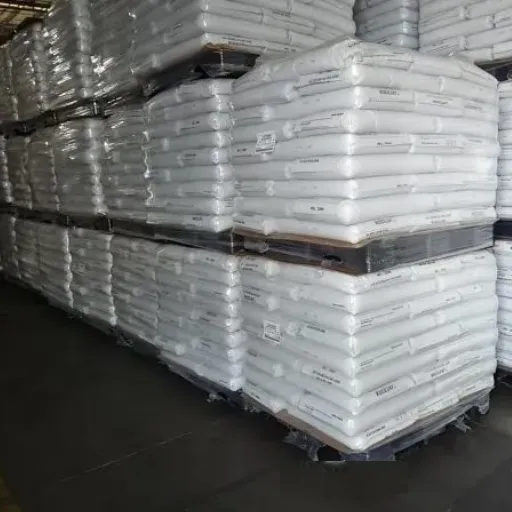
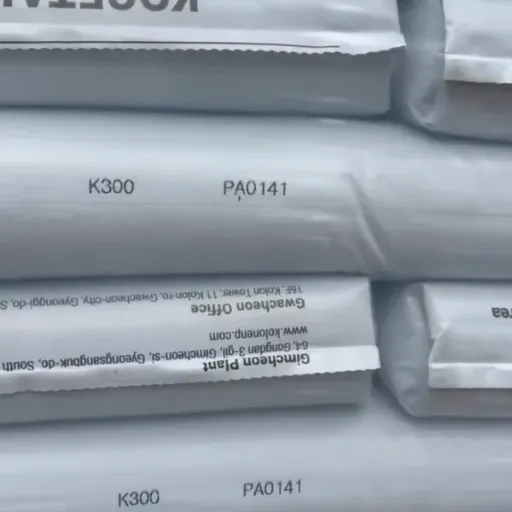
Business License

What Are Engineering Plastics? Definitions, Types, and Industrial Uses
Engineering plastics are high-performance thermoplastic polymers formulated to withstand mechanical stress, elevated temperatures, chemical exposure, and dimensional change in demanding applications. What are engineering plastics exactly? They are materials selected when standard plastics cannot meet the mechanical, thermal, or chemical demands of a part.
They differ from commodity plastics such as polyethylene (PE) and polypropylene (PP) by offering superior strength, heat resistance, and stability for parts where failure has real consequences.
What happens when a manufacturer specs the wrong plastic for a load-bearing part? The result is usually not immediate, but it is expensive. Cracking under thermal cycling, swelling in humid conditions, or wearing out too fast can turn a small material decision into production delays, warranty claims, and redesign costs. Engineering plastics exist precisely to prevent these failures.
In this article, you will learn what engineering plastics are, how they are classified, which properties set them apart, and where they are used across automotive, electronics, appliances, and industrial machinery. We will also explain why sourcing through an authorized distributor protects your parts from counterfeit or off-spec material. By the end, you will understand how to recognize an engineering plastic, why it matters, and how to choose one with confidence.
Ailide Polymer distributes certified engineering plastics, general plastics, and thermoplastic elastomers from globally recognized suppliers including DuPont, Polyplastics, Chi Mei, Formosa Plastics, LCY Chemical, Asahi Kasei, Bayer, and BASF.
Key Takeaways
Engineering plastics are thermoplastic polymers engineered for mechanical load, heat, chemicals, and dimensional stability in functional parts.
They differ from commodity plastics in strength, heat resistance, and price, making them suitable for gears, housings, connectors, and structural components.
Common types include POM, ABS, PC, nylon, PBT, PMMA, PC/ABS, and TPU, each selected for distinct property profiles.
Material selection depends on mechanical, thermal, chemical, electrical, and processing requirements, validated through technical data sheets and sample testing.
Sourcing through an authorized distributor ensures authenticity, batch traceability, and proper documentation.
What Are Engineering Plastics?
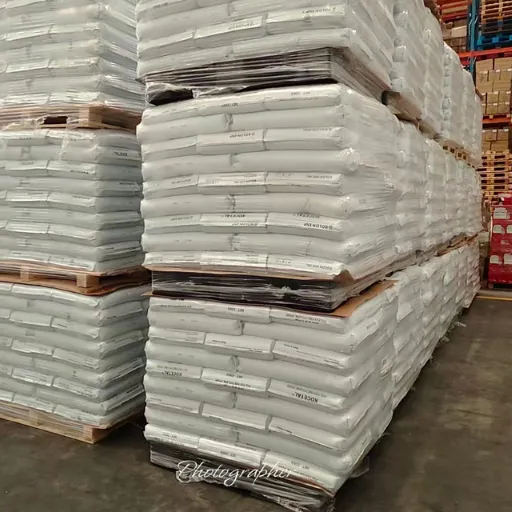
Engineering plastics are a class of thermoplastic materials developed for applications where performance requirements exceed those of standard commodity resins. While commodity plastics are chosen mainly for low cost and ease of processing, engineering plastics are chosen because the finished part must perform reliably under stress.
The term is intentionally broad. It covers crystalline polymers such as polyoxymethylene (POM) and polyamide (nylon), amorphous polymers such as polycarbonate (PC) and acrylonitrile butadiene styrene (ABS), and elastomeric materials such as thermoplastic polyurethane (TPU). Some definitions also include high-performance polymers such as polyetheretherketone (PEEK) and polyphenylene sulfide (PPS), although these are often grouped separately as specialty plastics.
What unites this category is a simple idea: the material is selected to meet specific engineering requirements. Designers and procurement managers evaluate properties such as tensile strength, heat deflection temperature, chemical resistance, dimensional stability, and wear behavior before making a choice. The material is not simply "plastic." It is a structural or functional component of the product.
According to Grand View Research, the global engineering plastics market continues to grow as automotive lightweighting, electronics miniaturization, and industrial automation increase demand for materials that combine strength with design freedom. For manufacturers, this growth means more options and more reason to understand the fundamentals.
Engineering Plastics vs Commodity Plastics
The easiest way to understand engineering plastics is to compare them with commodity plastics. Both are thermoplastics, but they serve different purposes.
| Factor | Commodity Plastics | Engineering Plastics |
|---|---|---|
| Examples | PE, PP, PVC, PS | POM, ABS, PC, nylon, PBT, TPU |
| Cost per kg | Low | Moderate to high |
| Mechanical strength | Low to moderate | High |
| Heat resistance | Limited | High |
| Dimensional stability | Moderate | Excellent |
| Typical uses | Packaging, bottles, toys | Gears, housings, connectors, structural parts |
| Processing | Easy | More demanding |
Commodity plastics are high-volume, low-cost resins. They dominate packaging, bottles, bags, and simple household items. They are easy to process and inexpensive. Their main limitation is performance. Most commodity plastics soften at low temperatures and lack the strength needed for precision or load-bearing parts.
Engineering plastics bridge the gap between commodity plastics and metals. They offer higher strength, stiffness, heat resistance, and chemical resistance. Many can replace metal in automotive, electronics, and industrial components, reducing weight and often total cost.
The trade-off is price and processing complexity. Engineering plastics generally cost more per kilogram and may require tighter drying, temperature, and mold conditions. However, when performance matters, the higher material cost is justified by longer service life, fewer failures, and design freedom.
Consider the example of Li Wei, a product designer at a Ningbo appliance factory. His team initially chose PP for a gear housing because it was the cheapest option. During prototype testing, the housing warped under the heat generated by the motor. Switching to ABS improved dimensional stability and surface finish at a slightly higher material cost, but eliminated rework and kept the project on schedule. The lesson: cost per kilogram is only one part of the total cost equation.
How Engineering Plastics Are Classified
Engineering plastics can be grouped in several ways. Understanding these classifications helps buyers and designers communicate clearly about what a material is expected to do.
By Molecular Structure
Crystalline polymers have ordered molecular regions that give them high strength, stiffness, and chemical resistance. POM and nylon are classic examples. These materials tend to have sharp melting points and good wear resistance.
Amorphous polymers have disordered molecular structures. They typically offer better transparency, dimensional stability, and lower shrinkage than crystalline polymers. PC, ABS, and PMMA fall into this group.
By Property Profile
Some engineers classify plastics by the properties they emphasize:
Structural plastics: high stiffness and strength, such as glass-filled nylon or PBT
Wear-resistant plastics: low friction and abrasion resistance, such as POM and unfilled nylon
Impact-resistant plastics: high toughness, such as PC and ABS
Transparent plastics: optical clarity, such as PC and PMMA
Flexible elastomers: rubber-like behavior, such as TPU
By Application Family
Another practical approach is to group by typical end use: automotive plastics, electrical plastics, appliance plastics, industrial machinery plastics, and medical plastics. While this is less technical, it helps procurement teams focus on grades that have already proven suitable for similar environments.
Types of Engineering Plastics: Properties and Uses
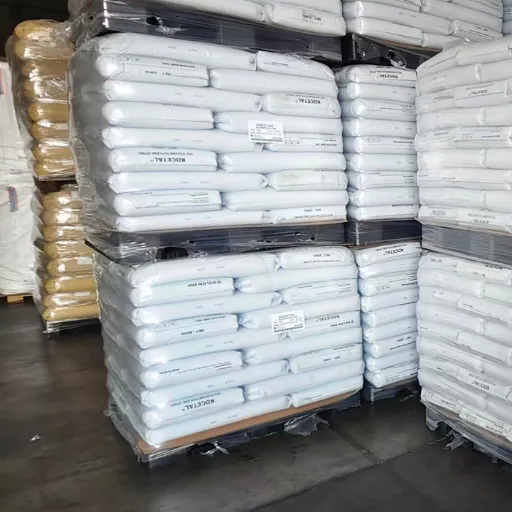
Most industrial buyers encounter the same core families of engineering plastics. Here is how they differ.
POM (Polyoxymethylene / Acetal)
POM is a crystalline thermoplastic valued for low friction, high stiffness, excellent dimensional stability, and good wear resistance. It is one of the most common choices for precision gears, bearings, bushings, conveyor components, and automotive fuel-system parts. Ailide Polymer distributes a range of POM materials suitable for tight-tolerance mechanical parts.
POM is available as homopolymer and copolymer. Homopolymers such as DuPont Delrin offer slightly higher strength and hardness. Copolymers such as Polyplastics DURACON and KOCETAL grades provide broader chemical resistance and better thermal stability. POM requires drying before processing and is not suitable for strong acids or UV exposure without stabilization.
ABS (Acrylonitrile Butadiene Styrene)
ABS combines rigidity, toughness, and excellent surface finish. It is widely used in appliance housings, consumer electronics enclosures, automotive interior trim, and toys. The material accepts color matching well and is easy to injection mold.
Specialty grades include high-impact ABS, heat-resistant ABS, flame-retardant ABS, and transparent ABS. Each variant trades one property for another, so selection depends on the specific application. Ailide Polymer offers ABS grades for manufacturers who need consistent batch quality and good appearance in visible parts.
PC (Polycarbonate)
Polycarbonate is best known for outstanding impact strength and optical clarity. It is used in automotive lighting lenses, safety equipment, electronic display covers, and medical device housings. Ailide Polymer supplies PC materials for transparent and impact-resistant applications. PC can be blended with ABS to create PC/ABS alloys that combine heat resistance, impact strength, and processability for automotive interiors and power-tool bodies.
PC requires careful handling. It is sensitive to certain solvents, scratches more easily than acrylic, and needs UV stabilization for outdoor use. Despite these limitations, it remains one of the most versatile transparent engineering plastics.
Nylon (Polyamide / PA)
Nylon, usually PA6 or PA66, is a crystalline polymer with high tensile strength, wear resistance, fatigue resistance, and low friction. It is used in gears, bearings, bushings, cable ties, fasteners, and under-hood automotive parts.
PA66 generally offers higher stiffness, heat resistance, and strength than PA6. Glass-filled grades improve dimensional stability and load capacity. The main weakness of nylon is moisture absorption, which can cause swelling and property changes. Designers must account for this in tight-tolerance applications. Ailide Polymer distributes nylon grades for industrial and automotive use.
PBT (Polybutylene Terephthalate)
PBT is a semi-crystalline polyester valued for dimensional stability, electrical insulation, and chemical resistance. It is commonly used in electrical connectors, switches, relays, and automotive electronics. PBT processes well and can be reinforced with glass fiber for added strength and heat resistance.
PMMA (Polymethyl Methacrylate / Acrylic)
PMMA is a rigid, transparent plastic with excellent optical clarity, UV resistance, and surface hardness. It is used in lighting lenses, displays, signage, and decorative panels. PMMA is less impact resistant than PC but offers better scratch resistance and weathering performance.
PC/ABS Blends
PC/ABS combines the heat and impact resistance of polycarbonate with the processability and surface quality of ABS. It is widely used in automotive interior trim, electronic housings, and power tools. The blend ratio can be adjusted to emphasize either PC-like heat resistance or ABS-like processability.
TPU (Thermoplastic Polyurethane)
TPU is a flexible elastomer with excellent abrasion resistance, tear strength, and hardness range. It is used in footwear soles, cable jackets, seals, gaskets, hoses, and flexible films. Polyester-based TPUs resist oils and greases, while polyether-based TPUs perform better in wet or hydrolytic environments.
Quick Comparison of Common Engineering Plastics
| Material | Key Strengths | Common Applications |
|---|---|---|
| POM | Low friction, dimensional stability | Gears, bearings, bushings |
| ABS | Impact strength, surface finish | Appliance housings, electronics enclosures |
| PC | Impact strength, optical clarity | Lighting lenses, display covers, safety equipment |
| Nylon | Wear resistance, fatigue resistance | Gears, fasteners, under-hood parts |
| PBT | Electrical insulation, dimensional stability | Connectors, switches, relays |
| PMMA | Optical clarity, UV resistance | Lighting lenses, displays, signage |
| PC/ABS | Heat resistance, processability | Automotive interiors, power tools |
| TPU | Flexibility, abrasion resistance | Seals, cables, footwear soles |
Key Properties of Engineering Plastics
When engineers evaluate engineering plastics, they look beyond cost and color. These are the properties that drive most material decisions.
Mechanical Strength
Tensile strength, flexural modulus, and impact strength describe how a material behaves under load. Structural parts need high stiffness and creep resistance. Housings and covers need impact resistance. Always compare mechanical properties at the actual service temperature, not just at 23 °C.
Heat Resistance
Heat deflection temperature (HDT) and continuous service temperature indicate how a material performs when hot. Automotive under-hood parts, electrical connectors, and appliance components near heating elements require materials with HDT well above the maximum operating temperature.
Chemical Resistance
Fuels, oils, solvents, acids, and cleaning chemicals can degrade some plastics. POM resists many hydrocarbons but is attacked by strong acids. Nylon swells in water and polar solvents. PC is vulnerable to certain organic solvents. Material selection must match the chemical environment.
Dimensional Stability
Dimensional stability reflects how much a material changes with temperature and moisture. POM and PBT are excellent for precision parts. Nylon and TPU absorb moisture and require careful tolerance design. Glass fiber reinforcement generally improves dimensional stability.
Electrical Properties
For electrical applications, properties such as dielectric strength, volume resistivity, and tracking resistance matter. PBT and PC are common in connectors and switches. Flame-retardant grades are often required to meet UL94 ratings.
Wear and Friction
Low friction and wear resistance extend service life in moving parts. POM and nylon are frequently compared for bushings and bearings. The right choice depends on load, speed, mating surface, and lubrication.
Engineering Plastics Applications: Automotive, Electronics, and Industrial
Different industries emphasize different property combinations. Understanding these priorities helps narrow the selection quickly.
Automotive
Engineering plastics reduce vehicle weight, improve fuel efficiency, and enable complex part geometries. POM serves fuel-system components and door-lock mechanisms. Glass-filled nylon handles engine covers, intake manifolds, and structural brackets.
PC and PC/ABS are used in headlamp lenses, instrument panels, and interior trim. TPU finds use in seals, hoses, and cable jacketing.
Electronics and Electrical
Engineering plastics in electronics must balance insulation, heat resistance, flammability, and dimensional stability. ABS and PC/ABS dominate housings for computers, routers, and power tools. PBT and nylon are common in connectors, switches, and relays.
Miniaturization continues to push materials toward higher heat resistance and thinner-wall processability.
Appliances and Consumer Goods
Appliance manufacturers value ABS and PP grades for surface quality, impact strength, and color matching. Refrigerator liners, vacuum cleaner housings, blender bases, and small appliance enclosures commonly use these materials. PMMA provides transparent panels and decorative elements.
Reliable supply is critical because seasonal demand creates tight production windows.
Industrial Machinery
Industrial applications often involve gears, bearings, rollers, guides, and structural supports. POM and nylon compete closely in this space. POM offers lower friction and better dimensional stability. Nylon offers higher toughness and fatigue resistance. The choice depends on load, speed, temperature, and moisture conditions.
Medical and Healthcare
Medical devices require materials that meet biocompatibility, sterilization, and regulatory requirements. PC and ABS are used in housings and handles. Specialized grades may require ISO 10993 testing or FDA compliance. Material documentation and traceability are especially important in this sector.
How to Select an Engineering Plastic
Material selection should be systematic, not based on habit or lowest price. The following framework helps teams make consistent decisions. For more detailed guidance, see our material selection guides.
Step 1: Define Requirements
Start with the end-use conditions. What loads will the part carry? What temperatures will it see? Will it contact chemicals, moisture, or UV? What is the expected service life? Are there regulatory or safety standards such as UL94, FDA, or automotive OEM specifications?
Document these requirements before reviewing material datasheets. Without clear requirements, it is easy to over-specify an expensive grade or under-specify a material that will fail in the field.
Step 2: Identify Candidate Materials
Use property profiles to identify two or three candidate materials. A rigid structural bracket might narrow to glass-filled nylon or PBT. A flexible seal might narrow to TPU or TPE. A transparent impact-resistant lens might narrow to PC or PMMA.
Step 3: Compare Technical Data Sheets
Technical data sheets (TDS) provide standardized test data for properties such as tensile strength, flexural modulus, HDT, and impact strength. Compare data from the same test methods and conditions. A value measured at room temperature may not predict behavior at 80 °C or in a humid environment.
Step 4: Consider Processing
Most engineering plastics are injection molded, but some are extruded, blow molded, or machined. Thin-wall parts need high-flow grades. Large parts need materials with low shrinkage and warpage. Machined prototypes need stock shapes with consistent properties.
Step 5: Validate with Samples
Always validate the final selection with molded samples or prototype parts tested under real conditions. Laboratory data is a starting point. Real-world performance depends on part design, mold design, processing parameters, and environmental exposure.
Consider the experience of Chen Ming, a procurement manager at a Suzhou electronics company. His team selected a low-cost ABS substitute for a router housing based on a similar-looking datasheet. During summer shipping, containers exceeded 60 °C and the housings warped. Returns, rework, and delayed shipments cost far more than the original material savings. Testing under actual conditions would have caught the issue.
Sourcing Engineering Plastics from Authorized Distributors
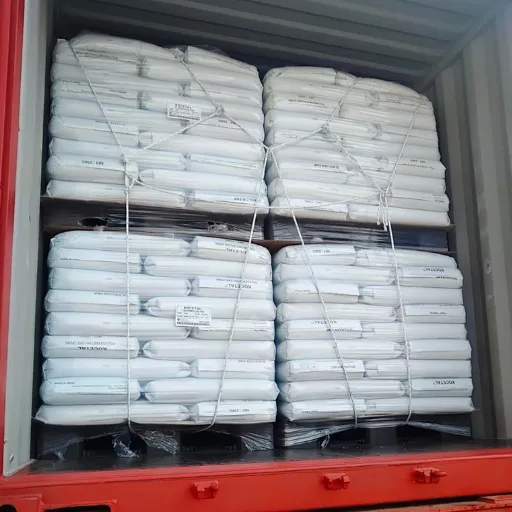
Material selection is only part of the challenge. Sourcing authentic, consistent material is equally important. The engineering plastics supply chain includes authorized distributors, independent traders, and unauthorized resellers. The differences matter.
Why Authorized Distribution Matters
Authorized distributors source directly from manufacturers such as DuPont, Polyplastics, Chi Mei, Formosa Plastics, LCY Chemical, Asahi Kasei, Bayer, and BASF through an authorized supplier network. This direct relationship ensures:
Authentic material with verified origin
Batch traceability and certificates of analysis
Current technical data sheets for every grade
Protection against counterfeit or off-spec resin
Technical support for grade selection and processing issues
Counterfeit or blended engineering plastics are a real risk in global supply chains. Off-spec material can cause processing problems, part failures, and compliance violations. For manufacturers producing safety-critical or export-oriented products, documentation and traceability are not optional.
Documentation to Request
When qualifying a supplier, request the following documents for each grade:
Technical data sheet (TDS)
Certificate of analysis (COA) for the specific batch
Material safety data sheet (SDS)
Supplier authorization or distribution certificate where applicable
Origin documentation for export shipments
A reliable supplier provides these documents promptly and consistently. Evasiveness or missing paperwork is a warning sign. For details on verifying suppliers, see our quality assurance standards.
Ailide Polymer sources engineering plastics through authorized channels. We supply materials with the documentation needed for quality assurance and traceability. Our product catalog covers POM, PP, ABS, TPU, PBT, PC, PMMA, PC/ABS, nylon, and modified plastics. If you need help selecting a grade or verifying documentation, contact our team for technical support.
Engineering Plastics Trends Shaping the Market
Several trends are influencing how manufacturers source and use engineering plastics.
Sustainability and Recycled Content
Regulatory pressure and customer expectations are driving interest in recycled-content engineering plastics and bio-based alternatives. Automotive and electronics brands increasingly request materials with recycled content and lower carbon footprints. Recycled engineering plastics require careful qualification because batch-to-batch consistency can vary more than virgin grades.
Supply Chain Consolidation
Manufacturers are reducing the number of resin suppliers they manage. Sourcing multiple engineering plastics through a single authorized distributor simplifies procurement, improves documentation consistency, and reduces vendor audit overhead.
Electric Vehicle Growth
The shift to electric vehicles is changing material demand. Battery housings, thermal management components, and lightweight structural parts require new combinations of flame retardancy, thermal conductivity, and impact resistance.
Conclusion
Engineering plastics are high-performance thermoplastic polymers selected for applications where mechanical load, heat, chemicals, and dimensional stability matter. They differ from commodity plastics in performance, cost, and processing requirements. Common families such as POM, ABS, PC, nylon, PBT, PMMA, PC/ABS, and TPU each offer a distinct balance of properties for automotive, electronics, appliances, industrial machinery, and medical devices.
Key takeaways from this guide:
Engineering plastics are defined by performance requirements, not a single chemistry.
They outperform commodity plastics in strength, heat resistance, and dimensional stability.
Selection should follow a structured process: define requirements, compare candidates, review TDS data, consider processing, and validate with samples.
Authorized distribution ensures material authenticity, traceability, and proper documentation.
Working with a knowledgeable distributor simplifies procurement and reduces supply-chain risk.
If you are evaluating engineering plastics for an upcoming project, start by requesting a technical data sheet and sample batch for your target grade. The small investment in validation pays for itself in fewer production issues and better part performance. Contact Ailide Polymer to discuss your application, request a quote, or get technical guidance on selecting the right engineering plastic for your needs.
About Ailide Polymer
Ailide Polymer (Jiangsu) Co., Ltd. is an authorized distributor of engineering plastics, general plastics, and thermoplastic elastomers. We work with globally recognized suppliers to deliver certified materials with batch traceability and nationwide distribution across China. Our technical team supports customers with material selection, application guidance, and order planning.
FAQ
What are engineering plastics?
Engineering plastics are high-performance thermoplastic polymers designed for mechanical load, heat resistance, chemical exposure, and dimensional stability. Common examples include POM, ABS, PC, nylon, PBT, and TPU.
What is the difference between engineering plastics and commodity plastics?
Engineering plastics offer superior mechanical, thermal, and chemical properties for demanding applications. Commodity plastics such as PE and PP are lower cost and used in less demanding packaging and consumer products.
Which engineering plastic is best for gears?
POM and nylon are the most common choices. POM offers lower friction and better dimensional stability. Nylon offers higher toughness and fatigue resistance. The best choice depends on load, speed, temperature, and moisture exposure.
What are the main types of engineering plastics?
The most common types are POM, ABS, PC, nylon, PBT, PMMA, PC/ABS, and TPU. Each has distinct properties suited to different applications.
How do I avoid counterfeit engineering plastics?
Source through authorized distributors who provide certificates of analysis, technical data sheets, and batch traceability. Verify supplier authorization directly with the material manufacturer when possible.
Can engineering plastics replace metal?
Yes, in many applications. Engineering plastics can reduce weight, resist corrosion, and enable complex geometries. However, replacement depends on load, temperature, and cost analysis.
What is the strongest engineering plastic?
PEEK and PPS are among the strongest engineering plastics, offering high temperature resistance and mechanical strength. For most industrial applications, glass-filled nylon, PBT, and POM provide excellent strength at lower cost.
What are engineering plastics used for in automotive?
Engineering plastics are used in fuel systems, under-hood components, interior trim, lighting lenses, connectors, and seals. They help reduce vehicle weight and improve fuel efficiency.
How much do engineering plastics cost per kg?
Prices vary by type, grade, and volume. Commodity engineering plastics such as ABS and PP typically cost less than specialty grades such as PEEK or high-performance nylons. Contact a distributor for current pricing.
Recently Posted
-
ABS in Automotive Interiors: From Dashboards to Door Panels
September 2, 2026A tier-two supplier once substituted a general-purpose ABS for an automotive-grade ABS on a door trim component to save 4% on resi Read More
 -
ABS Flame Retardant Grades and UL 94 Ratings Explained: A Practical Guide for Buyers and Designers
September 2, 2026An electronics manufacturer once submitted a power-supply housing molded from standard ABS to a safety certification test. The mat Read More
 -
KOCETAL K300 vs Formosa FM090 vs DURACON M90: Picking the Right Medium-Viscosity POM
September 2, 2026A gear shop in India once ordered a container of acetal copolymer based on a 5% price discount, without checking whether the grade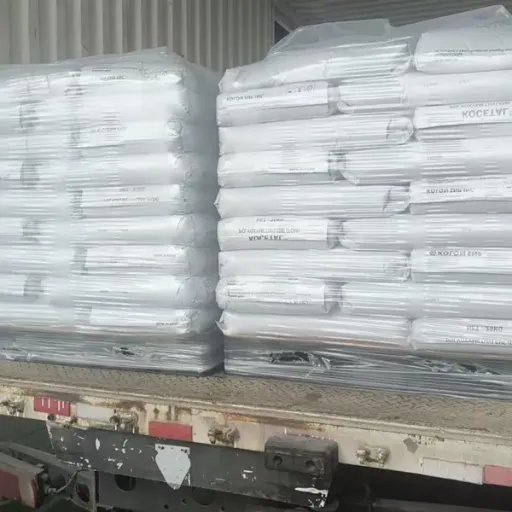 Read More
 -
PP vs PE: Which Polyolefin Resin Fits Your Application?
September 2, 2026A bottle manufacturer once chose HDPE for a hot-fill juice container and watched the bottles distort on the filling line. The mate Read More

Contact Us
Recommended Products
-
 Automotive Interior Clip and Door Lock POM K300 Injection Molding Material With Low FrictionNegotiableMOQ: 1 Kilogram
 -
KOCETAL POM K300 Virgin Pellets For Precision Gear Bearing Automotive Latch Water Valve PartsNegotiableMOQ: 1 Kilogram
-
Original Kolon POM K300 Engineering Plastic Wear Resistant Self Lubricating Acetal GranulesNegotiableMOQ: 1 Kilogram
-
Self-Lubricating POM K300 HDT 120°C Wear Resistant Resin With 0.2% Moisture AbsorptionNegotiableMOQ: 1 Kilogram
-
POM FM090AW PTFE Filled Wear Resistant Low Friction Acetal for Silent GearsNegotiableMOQ: 1 Kilogram
-
POM FM090 General Purpose Acetal Copolymer With Excellent MachinabilityNegotiableMOQ: 1 Kilogram
-
POM FM090 Standard Flow Acetal Copolymer Granules for Precision Injection MoldingNegotiableMOQ: 1 Kilogram
-
POM FM090 UV Stabilized Acetal Resin for Outdoor Automotive ComponentsNegotiableMOQ: 1 Kilogram
-
Technical Support Available POM K300 Acetal Copolymer for Precision Injection Molding ServiceNegotiableMOQ: 1 Kilogram
-
KOCETAL POM K300 Acetal Copolymer MFR 9 G/10min 1.41g/cm³ Tensile Strength 60MPaNegotiableMOQ: 1 Kilogram
-
POM Granules K300 for Automotive Fuel Components, High Heat Resistance, Low Creep, Tensile Strength 60 MPaNegotiableMOQ: 1 Kilogram
-
Kolon KOCETAL K300 Polyoxymethylene Copolymer Pellets Medium Viscosity Injection Molding ResinNegotiableMOQ: 1 Kilogram
-
POM Granules K300 Resin, Tensile Modulus 3000 MPa, Good Chemical Resistance, Stable Melt FlowNegotiableMOQ: 1 Kilogram
-
KOCETAL K300 Kolon Plastics POM Raw Pellets Resistant To Oil And Multiple Chemical MediaNegotiableMOQ: 1 Kilogram
-
Kolon KOCETAL K300 POM Copolymer Granules Superior Snap‑Fit Performance Injection Molding ResinNegotiableMOQ: 1 Kilogram

-
KOCETAL K300 Kolon Virgin Polyoxymethylene Pellets Low Warpage Complex Moving Parts Raw StockNegotiableMOQ: 1 Kilogram
-
POM Granules K300 Injection Molding Resin, Melt Flow Rate 10 G/10min, High Impact StrengthNegotiableMOQ: 1 Kilogram
-
KOCETAL K300 Kolon POM Raw Pellets Enhanced Stress Crack Resistance Household Fastener MaterialNegotiableMOQ: 1 Kilogram
-
POM Granules K300 Wear-Resistant Grade, Abrasion Resistance, Low Friction, Heat Resistant up to 120°CNegotiableMOQ: 1 Kilogram
-
Kolon KOCETAL K300 Acetal Copolymer Featuring Outstanding Wear And Friction Resistance PerformanceNegotiableMOQ: 1 Kilogram