Business License

Engineering Plastics vs Standard Plastics: A Manufacturer's Selection Guide
The main difference between engineering plastics and standard plastics is mechanical and thermal performance: engineering plastics maintain strength, dimensional stability, and chemical resistance under load and elevated temperatures, while standard plastics (also called commodity plastics) are lower-cost, easier to process, and used in less demanding applications. Engineering plastics are typically chosen for functional parts such as gears, bearings, connectors, and housings that must endure stress, heat, and chemicals. Standard plastics are suited for packaging, disposable items, and simple consumer products where cost and ease of manufacture matter more than structural performance.
What if the material you chose for a critical part is quietly failing before it leaves the factory? This happens more often than manufacturers expect. A designer selects a low-cost resin for a housing that must survive repeated impact, or a procurement team substitutes a standard plastic for a bearing sleeve to save money. In both cases, the part may look correct, but it warps, cracks, or wears prematurely.
At Ailide Polymer, we work with manufacturers across automotive, electronics, appliance, and industrial sectors. We match them with certified POM, ABS, PC, and other engineering grades from trusted global suppliers. The goal is not simply to sell resin, but to help you select the right material the first time.
In this material selection guide, we will compare engineering plastics and standard plastics side by side. You will learn how they differ in mechanical properties, heat resistance, chemical resistance, and cost. We will also show you when each category makes sense, list the most common grades, and provide a practical framework for material selection.
Key Takeaways
Engineering plastics outperform standard plastics in strength, heat resistance, dimensional stability, and chemical resistance.
Standard plastics (such as PP, PE, and PS) are lower-cost, easier to process, and ideal for packaging, consumer goods, and non-structural parts.
Engineering plastics (such as POM, PA, PC, ABS, PBT, and TPU) are used for gears, bearings, housings, connectors, and automotive components.
The right choice depends on mechanical load, operating temperature, chemical exposure, processing method, total cost of ownership, and supplier documentation.
What Defines Engineering Plastics?
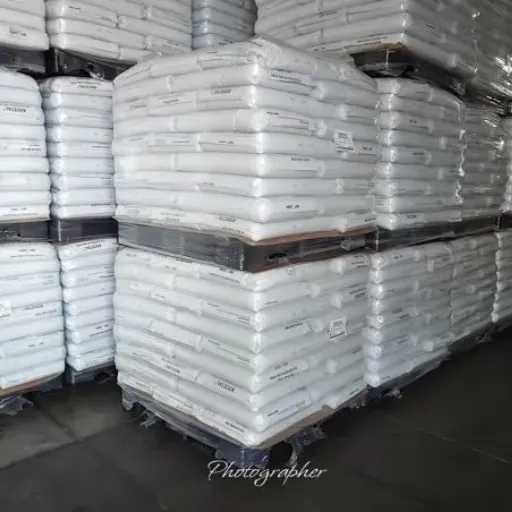
Engineering plastics are thermoplastic polymers designed to perform structural or functional roles in demanding applications. Unlike standard plastics, they are selected because they can replace metal, wood, or ceramic in parts that must bear load, resist wear, or operate at elevated temperatures.
The term "engineering plastic" is not a formal regulatory category. Instead, it describes a class of materials that consistently deliver mechanical and thermal performance superior to commodity plastics. Common engineering plastics include polyoxymethylene (POM), polyamide (PA or nylon), polycarbonate (PC), acrylonitrile butadiene styrene (ABS), polybutylene terephthalate (PBT), polymethyl methacrylate (PMMA), and thermoplastic polyurethane (TPU).
These materials typically exhibit:
Higher tensile strength and flexural modulus than commodity plastics.
Better dimensional stability under load and temperature change.
Improved wear, abrasion, and fatigue resistance.
Higher heat deflection temperatures.
Greater chemical resistance to oils, solvents, and fuels.
More predictable long-term performance in structural applications.
For example, POM (also known as acetal) delivers high stiffness, low friction, and excellent wear resistance. It is widely used for precision gears, bearings, and automotive fuel-system components. PC offers outstanding impact strength and optical clarity, making it suitable for automotive lighting lenses, safety equipment, and transparent housings. PA66 provides high mechanical strength and wear resistance, which is why it appears in gears, bushings, and under-hood automotive parts.
A manufacturer in the automotive industry recently replaced a metal gear with a POM grade sourced through an authorized distributor. The change reduced part weight by approximately 60%, cut machining costs, and maintained the required wear life over 500,000 cycles. This is the kind of substitution that engineering plastics make possible when the material grade is chosen with technical care.
Need help selecting the right engineering plastic for a structural part? Contact our technical team for grade-specific guidance based on your application requirements.
What Are Standard Plastics?
Standard plastics, also called commodity plastics, are high-volume polymers used in everyday products, packaging, and simple consumer goods. They are produced in large quantities, offer low cost per kilogram, and are generally easy to process by injection molding, extrusion, blow molding, and thermoforming.
The most common standard plastics are polypropylene (PP), polyethylene (PE), polystyrene (PS), and polyvinyl chloride (PVC). These materials dominate applications where cost, availability, and ease of manufacture are more important than mechanical strength or heat resistance.
Standard plastics are characterized by:
Lower material cost per kilogram compared to engineering plastics.
Simpler processing behavior and wider processing windows.
Adequate performance for packaging, disposable items, and low-stress parts.
Lower heat deflection temperatures and reduced mechanical strength.
Limited chemical resistance in some grades compared to engineering polymers.
PP is one of the most widely used standard plastics. It is lightweight, chemically resistant, and cost-effective, which makes it ideal for packaging, automotive interiors, and household appliances.
PE is used extensively in films, bottles, and containers. PS is common in disposable cutlery, foam packaging, and low-cost consumer products. PVC appears in pipes, flooring, and cable insulation.
These materials are not inferior, they are simply designed for different jobs. A standard plastic is the right choice when the part does not need to carry load, resist high temperatures, or survive long-term wear. However, choosing a standard plastic for a demanding application can lead to field failures, warranty claims, and supply chain disruptions.
Engineering Plastics vs Standard Plastics: Key Property Differences
When comparing engineering plastics and standard plastics, the differences are clearest in mechanical performance, thermal resistance, chemical resistance, dimensional stability, and cost. Understanding these distinctions helps procurement and engineering teams make informed decisions.
Side-by-Side Comparison
| Property | Engineering Plastics | Standard Plastics |
|---|---|---|
| Mechanical strength | High | Low to moderate |
| Heat resistance | High, often above 100 °C | Lower, softens at moderate temperatures |
| Chemical resistance | Good to oils, solvents, and fuels | Variable, generally more limited |
| Dimensional stability | Excellent under load and temperature | Moderate, more prone to warping |
| Cost per kilogram | Higher | Lower |
| Common applications | Gears, bearings, housings, connectors | Packaging, containers, disposable items |
| Typical examples | POM, PA, PC, ABS, PBT, TPU | PP, PE, PS, PVC |
Mechanical Strength and Stiffness
Engineering plastics generally have higher tensile strength, flexural modulus, and impact resistance than standard plastics. For instance, unfilled PC can offer tensile strength above 60 MPa, while unfilled PP typically ranges from 20 to 35 MPa. PA66 and POM provide stiffness and strength comparable to some metals in certain applications, which is why they are used for load-bearing parts.
This does not mean standard plastics are weak. It means they are designed for applications where structural loads are minimal. A PP storage container does not need to match the strength of a nylon gear.
Heat Resistance
Heat deflection temperature (HDT) is one of the most important differentiators. Engineering plastics such as PBT, PA, and PC maintain their shape at temperatures well above 100 °C. Standard plastics such as PP and PE begin to soften at much lower temperatures. For automotive under-hood components, electrical connectors, or appliance parts near heating elements, engineering plastics are usually required.
Chemical and Environmental Resistance
Engineering plastics are often selected for their resistance to fuels, oils, solvents, and moisture. POM and PA perform well in automotive fuel systems and industrial machinery. PC and ABS offer good resistance to many household chemicals, which is why they are common in appliance housings and electronics enclosures.
Standard plastics have more limited chemical resistance. Chemical resistance testing guidelines from the Plastics Industry Association help manufacturers evaluate exposure risks. PE and PP resist many chemicals but may not withstand prolonged contact with oils or solvents at elevated temperatures. PVC offers good chemical resistance in some applications but has processing and environmental considerations that affect material selection.
Dimensional Stability
Engineering plastics generally exhibit lower creep, lower moisture absorption, and better dimensional stability under load. POM, for example, is known for maintaining tight tolerances in precision parts. Standard plastics are more prone to warping, shrinkage, and creep under sustained stress or temperature cycling.
Nylon is a notable exception. It absorbs moisture from the environment, which can cause dimensional changes. This is why glass-filled or stabilized nylon grades are often specified for tight-tolerance applications. Proper grade selection and conditioning are critical.
Cost and Availability
Standard plastics are less expensive per kilogram and are available in larger volumes. Engineering plastics cost more but deliver performance that justifies the price in demanding applications. The real calculation should include total cost of ownership: part life, warranty costs, machining or assembly savings, and risk of production downtime.
A molding company once selected a low-cost PP for an industrial roller application to reduce material spend. Within six months, the rollers deformed under load and had to be replaced. Switching to a reinforced nylon grade increased material cost by 40% but extended service life by more than five times. The higher resin cost was recovered quickly through reduced maintenance and fewer line stoppages.
Common Engineering Plastics and Their Applications
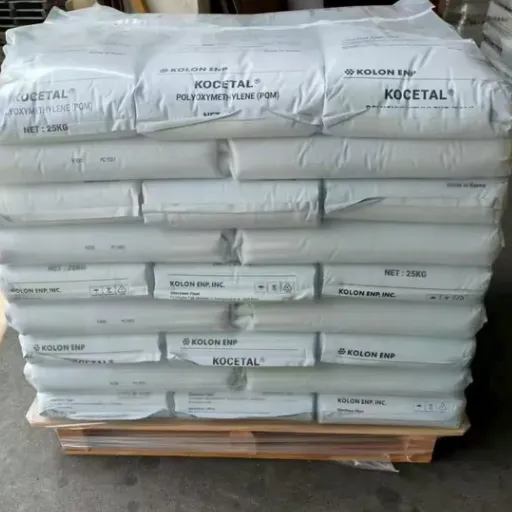
The following engineering plastics are widely used in manufacturing and are part of the Ailide Polymer portfolio.
POM (Polyoxymethylene / Acetal)
POM is valued for high stiffness, low friction, excellent wear resistance, and dimensional stability. It is commonly used for precision gears, bearings, bushings, automotive fuel-system components, and conveyor parts. POM materials are available from authorized global suppliers with full documentation.
PA (Polyamide / Nylon)
Nylon offers high mechanical strength, fatigue resistance, and wear resistance. PA6 and PA66 are the most common grades. Applications include gears, bearings, bushings, automotive under-hood parts, and industrial machinery components. Glass-filled and lubricated grades extend performance in tougher environments. PA / nylon grades are available for high-wear and high-load applications.
PC (Polycarbonate)
PC combines high impact strength, optical clarity, and heat resistance. It is used in automotive lighting lenses, safety equipment, electronic housings, medical devices, and transparent shields. PC grades are suitable where visibility and durability are both required.
ABS (Acrylonitrile Butadiene Styrene)
ABS provides good impact strength, surface finish, and processability. It is widely used in appliance housings, consumer electronics, automotive interior trim, and toys. ABS resin is available in natural and custom-colored batches for consistent appearance.
PBT (Polybutylene Terephthalate)
PBT resin offers good electrical insulation, dimensional stability, and chemical resistance. It is commonly used in electrical connectors, automotive electronics, and housings for electrical devices.
PMMA (Polymethyl Methacrylate / Acrylic)
PMMA materials deliver excellent optical clarity, UV resistance, and surface hardness. They are used in lighting lenses, displays, signage, and optical components where glass would be too heavy or fragile.
TPU (Thermoplastic Polyurethane)
TPU is a flexible engineering elastomer with excellent abrasion resistance, tear strength, and elasticity. It is used in footwear, cable jackets, seals, gaskets, hoses, and industrial rollers. TPU materials bridge the gap between rigid plastics and rubber.
Common Standard Plastics and Their Applications
Standard plastics are the right choice for high-volume, low-cost applications where structural performance is not the primary concern.
PP (Polypropylene)
PP is lightweight, chemically resistant, and cost-effective. It is used in packaging, automotive interiors, appliances, textiles, and consumer goods. PP resin is one of the most versatile standard plastics for non-structural applications.
PE (Polyethylene)
PE is available in low-density (LDPE), high-density (HDPE), and linear low-density (LLDPE) forms. It is used in films, bottles, containers, pipes, and packaging. PE offers excellent chemical resistance and processability but limited mechanical strength and heat resistance.
PS (Polystyrene)
PS is a rigid, low-cost plastic used in disposable cutlery, cups, foam packaging, and consumer product housings. It is easy to process but brittle and has poor impact resistance compared to ABS or PP.
PVC (Polyvinyl Chloride)
PVC is durable, flame-resistant, and chemically resistant. It is used in pipes, fittings, flooring, cable insulation, and medical tubing. Flexible PVC grades are produced by adding plasticizers.
When to Choose Engineering Plastics Over Standard Plastics
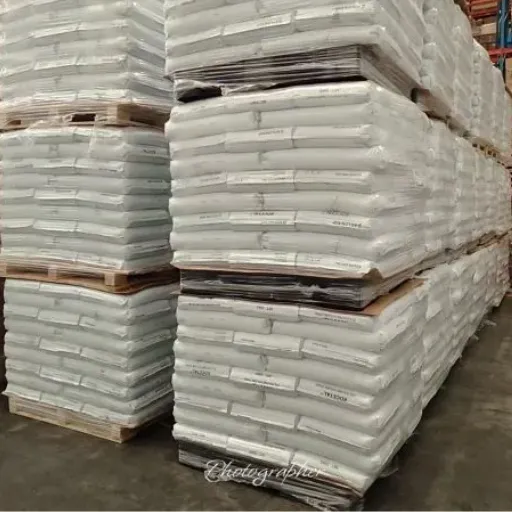
Choose engineering plastics when the application demands one or more of the following:
Load-bearing performance: The part must carry mechanical load without excessive deformation or creep.
Wear and abrasion resistance: The part slides, rotates, or contacts other surfaces repeatedly.
High operating temperature: The part must function above the typical limits of commodity plastics.
Chemical exposure: The part contacts oils, fuels, solvents, or aggressive cleaning agents.
Dimensional precision: The part must maintain tight tolerances over its service life.
Long service life: The part must perform reliably for months or years without replacement.
Regulatory or safety requirements: The part must meet flame, electrical, or medical standards.
Choose standard plastics when the application requires:
Low material cost: The budget is tight and the part is not structurally critical.
High production volume: The material must be readily available in large quantities.
Simple processing: The part can be molded or extruded without complex material behavior.
Limited mechanical demands: The part is used for packaging, housings, or disposable items.
Lightweight non-structural parts: The primary requirements are weight savings and chemical inertness.
Not sure whether your project needs an engineering plastic or a standard plastic? Request a quote and technical data sheet for the grades you are considering.
How to Select the Right Material for Your Application
Material selection is a structured process. Start with the application requirements, then match them to material properties, processing constraints, and cost targets.
Step 1: Define Mechanical Requirements
Identify the loads, stresses, and strains the part will experience. Consider static loads, dynamic loads, impact, fatigue, and wear. Use the technical data sheet (TDS) to compare tensile strength, flexural modulus, impact strength, and hardness across candidate grades.
Step 2: Define Thermal Requirements
Determine the maximum operating temperature, minimum operating temperature, and any temperature cycling. Compare heat deflection temperature (HDT), melting point, and thermal expansion coefficients. For high-temperature applications, engineering plastics are usually required.
Step 3: Define Chemical and Environmental Exposure
List all chemicals, fluids, UV exposure, humidity, and outdoor conditions the part will encounter. Standard plastics may be adequate for dry indoor environments, but engineering plastics are often needed for fuel contact, oil exposure, or outdoor UV exposure.
Step 4: Define Processing Method
Consider whether the part will be injection molded, extruded, blow molded, thermoformed, or machined. Some engineering plastics require drying before processing, while standard plastics are generally more forgiving. Processing temperature, shrinkage, and mold design must align with the material grade.
Step 5: Evaluate Total Cost of Ownership
Calculate material cost per part, but also include tooling, processing, assembly, warranty, maintenance, and replacement costs. A more expensive engineering plastic may reduce total cost by extending service life or eliminating secondary operations.
Step 6: Verify Documentation and Traceability
Request the technical data sheet, certificate of analysis, and batch documentation for every grade under consideration. This is especially important for automotive, medical, and export-oriented manufacturers. Working with an authorized distributor helps ensure that materials are genuine and properly documented. For grade-specific guidance, contact our technical support team.
Conclusion: Match the Material to the Job
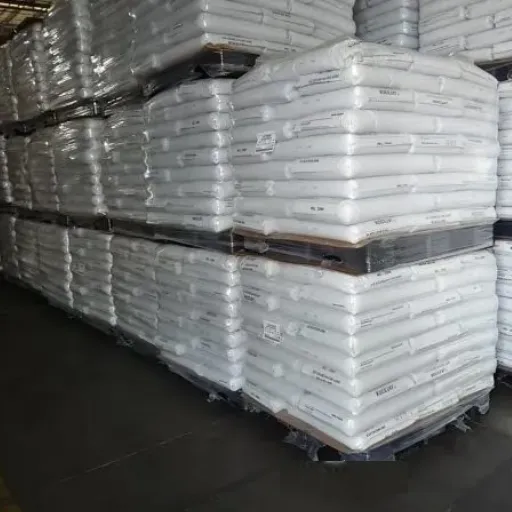
The choice between engineering plastics and standard plastics comes down to application requirements. Engineering plastics deliver superior mechanical strength, heat resistance, chemical resistance, and dimensional stability for demanding parts such as gears, bearings, connectors, housings, and automotive components. Standard plastics offer lower cost and easier processing for packaging, consumer goods, and non-structural parts.
Both categories have their place in modern manufacturing. The mistake is choosing one when the other is clearly required. Selecting the right material protects product quality, reduces warranty risk, and keeps production lines running efficiently.
At Ailide Polymer, we distribute certified POM, ABS, PC, TPU, PBT, PA, PMMA, and PP grades and modified plastics from authorized global suppliers. Our technical team reviews your requirements and recommends grades supported by full documentation and batch traceability. Whether you are developing a new product or qualifying a secondary source, we can help you make a confident material choice.
Ready to compare engineering plastics vs standard plastics for your next project? Contact us to request a quote, technical data sheet, or material selection consultation.
Frequently Asked Questions
What is the difference between engineering plastics and standard plastics?
Engineering plastics are designed for structural and functional applications that require higher mechanical strength, heat resistance, chemical resistance, and dimensional stability. Standard plastics, or commodity plastics, are lower-cost materials used for packaging, consumer goods, and non-structural parts where performance requirements are modest.
Are engineering plastics more expensive than standard plastics?
Yes, engineering plastics generally cost more per kilogram than standard plastics. However, they can reduce total cost of ownership by extending part life, reducing maintenance, enabling metal replacement, and avoiding field failures.
What are examples of engineering plastics?
Common engineering plastics include POM (acetal), PA (nylon), PC (polycarbonate), ABS, PBT, PMMA (acrylic), and TPU (thermoplastic polyurethane). Each offers a different balance of properties for specific applications.
What are examples of standard plastics?
Common standard plastics include PP (polypropylene), PE (polyethylene), PS (polystyrene), and PVC (polyvinyl chloride). These materials are widely used in packaging, disposable products, and simple consumer goods.
When should I choose an engineering plastic over a standard plastic?
Choose an engineering plastic when the part must bear load, resist wear, operate at elevated temperatures, contact chemicals, maintain tight tolerances, or meet regulatory requirements. Choose a standard plastic when cost, volume, and ease of processing are the primary drivers.
How can I verify that my engineering plastics are authentic?
Work with an authorized distributor that sources directly from recognized resin producers. Request technical data sheets, certificates of analysis, and batch documentation for every lot. This helps protect against counterfeit or off-spec materials.
Recently Posted
-
ABS in Automotive Interiors: From Dashboards to Door Panels
September 2, 2026A tier-two supplier once substituted a general-purpose ABS for an automotive-grade ABS on a door trim component to save 4% on resi Read More
 -
ABS Flame Retardant Grades and UL 94 Ratings Explained: A Practical Guide for Buyers and Designers
September 2, 2026An electronics manufacturer once submitted a power-supply housing molded from standard ABS to a safety certification test. The mat Read More
 -
KOCETAL K300 vs Formosa FM090 vs DURACON M90: Picking the Right Medium-Viscosity POM
September 2, 2026A gear shop in India once ordered a container of acetal copolymer based on a 5% price discount, without checking whether the grade Read More
 -
PP vs PE: Which Polyolefin Resin Fits Your Application?
September 2, 2026A bottle manufacturer once chose HDPE for a hot-fill juice container and watched the bottles distort on the filling line. The mate Read More

Contact Us
Recommended Products
-
 Automotive Interior Clip and Door Lock POM K300 Injection Molding Material With Low FrictionNegotiableMOQ: 1 Kilogram
 -
KOCETAL POM K300 Virgin Pellets For Precision Gear Bearing Automotive Latch Water Valve PartsNegotiableMOQ: 1 Kilogram
-
Original Kolon POM K300 Engineering Plastic Wear Resistant Self Lubricating Acetal GranulesNegotiableMOQ: 1 Kilogram
-
Self-Lubricating POM K300 HDT 120°C Wear Resistant Resin With 0.2% Moisture AbsorptionNegotiableMOQ: 1 Kilogram
-
POM FM090AW PTFE Filled Wear Resistant Low Friction Acetal for Silent GearsNegotiableMOQ: 1 Kilogram
-
POM FM090 General Purpose Acetal Copolymer With Excellent MachinabilityNegotiableMOQ: 1 Kilogram
-
POM FM090 Standard Flow Acetal Copolymer Granules for Precision Injection MoldingNegotiableMOQ: 1 Kilogram
-
POM FM090 UV Stabilized Acetal Resin for Outdoor Automotive ComponentsNegotiableMOQ: 1 Kilogram
-
Technical Support Available POM K300 Acetal Copolymer for Precision Injection Molding ServiceNegotiableMOQ: 1 Kilogram
-
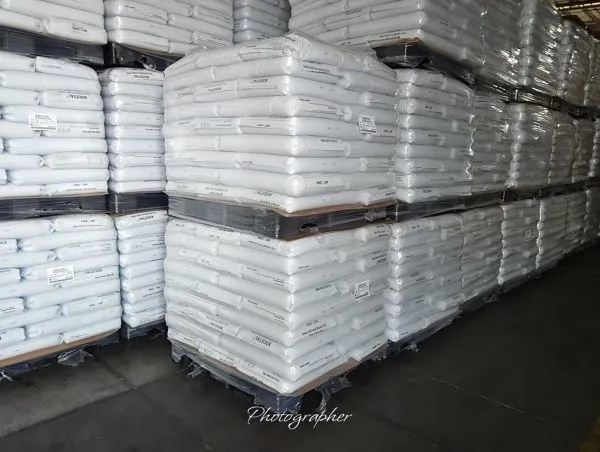
KOCETAL POM K300 Acetal Copolymer MFR 9 G/10min 1.41g/cm³ Tensile Strength 60MPaNegotiableMOQ: 1 Kilogram
-
Factory Price Polyacetal POM Resin FM090 for Engineering ApplicationsNegotiableMOQ: 1 Kilogram
-
High Strength Cheap POM FM090 UV Engineering Plastic for Automotive PartsNegotiableMOQ: 1 Kilogram
-
Virgin POM FM090 Granules Pellets Engineering Plastic Raw MaterialNegotiableMOQ: 1 Kilogram
-
POM K300 Plastic Granules 1.5% Shrinkage Rate 80 Shore D Hardness Stable Injection Molding PerformanceNegotiableMOQ: 1 Kilogram
-
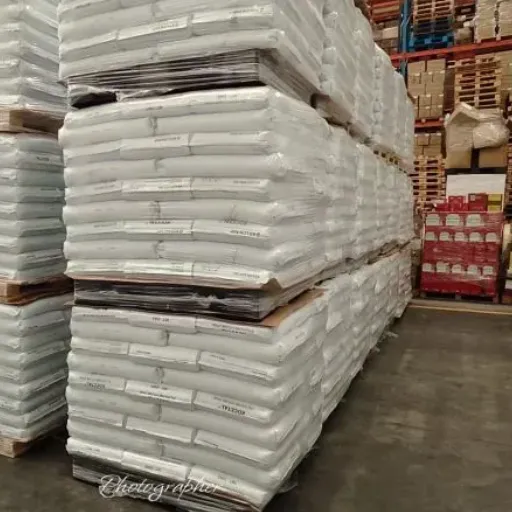
Low Friction Coefficient High Dimensional Stability POM K300 Acetal Copolymer Injection Molding GradeNegotiableMOQ: 1 Kilogram

-
POM K300 Acetal Sheet Used for Automotive Gear Components and Conveyor Chains in Industrial MachineryNegotiableMOQ: 1 Kilogram
-
POM K300 Engineering Plastic Sheet With Melting Point 165°C and Excellent Wear Resistance for MachiningNegotiableMOQ: 1 Kilogram
-
POM K300 Acetal Copolymer Injection Molding Grade With Low Friction Coefficient and High Dimensional StabilityNegotiableMOQ: 1 Kilogram
-
POM K300 Polyoxymethylene Resin MFI 9 Engineering Plastic Granule for Injection MoldingNegotiableMOQ: 1 Kilogram
-
Virgin POM Granules Polyoxymethylene Pellets Manufacturer Direct Price for Injection MoldingNegotiableMOQ: 1 Kilogram