Business License

POM vs Acetal: What's the Real Difference? (2026 Guide)
There is no difference between POM and acetal. They are two names for the same engineering plastic: polyoxymethylene. "POM" is the standard abbreviation, while "acetal" is the common trade name used in North America and Europe. If a supplier quotes you "acetal" and another quotes you "POM," they are offering the same base resin.
The difference that actually matters is the one between acetal homopolymer and acetal copolymer. Those two versions of POM behave differently in strength, chemical resistance, and dimensional stability, and choosing the wrong one can quietly shorten the life of your parts.
If you have ever sat in a design review where half the room says "POM" and the other half says "acetal," you already know how confusing this terminology gets. Buyers worry they are comparing two different plastics. Engineers wonder if a drawing that specifies Delrin can be filled with a generic copolymer grade. Procurement teams get quotes with different names and assume they are being offered different materials.
This guide clears up the POM vs acetal difference once and for all. You will learn where the naming confusion comes from, how homopolymer and copolymer POM really differ, which one fits common applications like gears, bearings, and pump components, and how to specify the right grade when you source from a distributor. As an authorized distributor of POM grades from Polyplastics, DuPont, Formosa Plastics, and other global producers, we answer this question for customers almost every week, so let's settle it.
Key Takeaways
POM and acetal are the same material. POM (polyoxymethylene) is the technical name; acetal is the trade name.
The real decision is homopolymer vs copolymer. Homopolymer (for example, DuPont Delrin) is stronger and stiffer. Copolymer (for example, Polyplastics Duracon) resists chemicals, hot water, and centerline porosity better.
Homopolymer typically offers 10-15% higher tensile strength and better fatigue resistance, making it the default for high-load gears and springs.
Copolymer is the safer choice for parts exposed to hot water, strong alkalis, or long-term dimensional stability requirements.
When sourcing, always specify the polymer type and grade code, not just "acetal," to avoid receiving a material that fails in service.
Is POM the Same as Acetal?
Yes. POM and acetal are the same thermoplastic. POM stands for polyoxymethylene, a highly crystalline engineering resin built from repeating formaldehyde units. "Acetal" is the generic trade name for the same polymer family, so you will also hear it called acetal resin, polyacetal, or polyformaldehyde.
The naming split is mostly regional and historical. Suppliers and standards bodies in Asia and in technical standards documents tend to write "POM." Machinists, distributors, and buyers in North America more often say "acetal." Both terms appear on technical data sheets for identical materials.
Here is a quick reference for the names you will encounter:
POM: The ISO-standard abbreviation for polyoxymethylene.
Acetal: The common commercial name, especially for stock shapes like rod and sheet.
Polyacetal / polyoxymethylene: The full chemical names.
Delrin: DuPont's brand name for acetal homopolymer.
Duracon, Kepital, Tenac, KOCETAL: Brand names for acetal copolymer from Polyplastics, Korea Engineering Plastics, Asahi Kasei, and Kolon.
So when you search for "POM vs acetal," the honest answer is that you are not comparing two materials. You are comparing two words. The meaningful comparison starts one level deeper.
Where the Confusion Comes From: Homopolymer vs Copolymer
POM is produced in two chemically distinct forms, and the acetal homopolymer vs copolymer distinction is where real performance differences appear.
Acetal homopolymer is made from pure formaldehyde monomer, giving a uniform, highly crystalline polymer chain. DuPont commercialized it in 1960 under the Delrin brand, and it remains the benchmark for mechanical strength among acetals.
Acetal copolymer introduces a small amount of a second monomer (typically ethylene oxide or a comonomer like dioxolane) into the chain. Those comonomer units interrupt the crystalline structure slightly, which changes the material's behavior. Copolymer was commercialized by Celanese as Celcon a few years after Delrin, and today most global POM capacity, including Polyplastics' Duracon grades, is copolymer.
This is why buyers sometimes think POM and acetal are different materials. One supplier offers Delrin (homopolymer), another offers Duracon (copolymer), both call their product "acetal" or "POM," and the parts behave differently in the field. The name was never the problem. The polymer type was.
POM Homopolymer vs Copolymer: Property Comparison
Both versions share the core acetal advantages: low friction, excellent wear resistance, good fatigue endurance, and easy machining. The differences show up at the margins, and those margins decide part life.
| Property | Homopolymer (Delrin) | Copolymer (Duracon, Kepital) |
|---|---|---|
| Tensile strength | Higher (approx. 68-72 MPa) | Lower (approx. 60-65 MPa) |
| Flexural modulus | Higher, roughly 10-15% stiffer | Slightly lower |
| Fatigue resistance | Excellent, best in class | Very good |
| Impact strength | Higher, especially at low temperature | Good |
| Creep resistance | Superior under sustained load | Good |
| Chemical resistance | Good, but attacked by strong acids and bases | Better, especially against hot water and alkalis |
| Hydrolysis resistance | Lower | Higher |
| Centerline porosity | More prone in thick sections | Minimal |
| Processing window | Narrower | Wider, more forgiving |
| Continuous service temperature | Approx. 100 °C | Approx. 100 °C |
A few practical observations from the table. Homopolymer wins on pure mechanics: it is roughly 10-15% stronger and stiffer, with the best fatigue and creep performance of any unfilled acetal. Copolymer wins on chemistry and processing: it tolerates hot water, cleaning agents, and strong alkalis better, and it is less likely to show centerline porosity in thick molded or machined sections.
For precise values on a specific grade, always check the technical data sheets rather than relying on generic tables, because filled and modified grades shift these numbers considerably. Independent material databases such as MatWeb and the Omnexus material selection platform are also useful for cross-checking published property data between producers.
When to Choose Acetal Homopolymer
Choose homopolymer when mechanical performance is the priority and the chemical environment is mild. Its higher strength, stiffness, and fatigue life pay off in parts that cycle under load for years.
Typical homopolymer applications include:
High-load gears and sprockets
Precision bearings and bushings with tight tolerances
Snap-fit springs and living hinges that flex millions of cycles
Conveyor components and rollers under sustained load
Safety-restraint and fuel-system components where creep resistance matters
A real-world example. When Daniel, a design engineer at a power-tool manufacturer in Dongguan, switched a drive-gear from an unfilled nylon to Delrin 500P in early 2025, his team cut gear-tooth failures in endurance testing from 6% to under 1%. The higher fatigue limit and lower friction of homopolymer acetal meant the gears ran cooler at 12,000 RPM, and the parts held tolerance without the moisture-conditioning step nylon required. The trade-off he accepted: the gearbox housing could no longer be cleaned with the alkaline wash the assembly line used, so his team revised the cleaning spec to a neutral detergent.
That trade-off is the pattern to remember. Homopolymer gives you the strongest, stiffest acetal, but you must respect its weaker resistance to hot water and strong bases.
Need help matching a homopolymer grade to your load case? Our technical team reviews drawings and operating conditions before recommending a grade. Get material selection support →
When to Choose Acetal Copolymer
Choose copolymer when the part will face hot water, humidity, chemicals, or when you are molding thick sections where porosity is a risk. Copolymer's comonomer units block the unzipping reaction that degrades homopolymer at the chain ends, which is why it survives hydrolysis and alkaline exposure better.
Typical copolymer applications include:
Pump housings, impellers, and valve components in contact with water
Plumbing fittings and faucet cartridges
Parts cleaned with alkaline or oxidizing agents
Food-contact and potable-water components (with the right certified grades)
Thick-wall molded parts where centerline porosity would weaken homopolymer
Automotive fuel-system components exposed to aggressive fuels
A second example. A plumbing-fixture maker in Zhejiang was machining valve cartridges from Delrin rod in 2024 and saw field failures after about 14 months in regions with aggressive water treatment. Microcracking along the centerline of the 40 mm rod, combined with hot chlorinated water, was the root cause. After switching to a Duracon copolymer grade with equivalent dimensions, warranty claims on that cartridge dropped to near zero over the following 18 months. The part cost a few percent less, too, because copolymer rod is more widely stocked in Asia.
If your part lives in a wet, hot, or chemically aggressive environment, copolymer is usually the safer and more economical specification.
Common Acetal Grades and Brand Names
When you move from "acetal" to an actual purchase order, you will specify a brand and grade code. Here are the names you will see most often in the Chinese and export markets:
Delrin (DuPont): Homopolymer. Common grades include Delrin 100, 500, and 900 series, distinguished mainly by melt flow. Delrin 500P is the general-purpose injection molding workhorse.
Duracon (Polyplastics): Copolymer. M90-44 is the standard general-purpose grade; NW-02 and other lubricated variants target low-wear sliding parts.
Kepital (Korea Engineering Plastics): Copolymer with a broad grade range, popular for cost-sensitive programs.
Tenac (Asahi Kasei): Both homopolymer and copolymer types; Tenac-C is the copolymer line.
KOCETAL (Kolon): Copolymer; K300 is a common general-purpose grade.
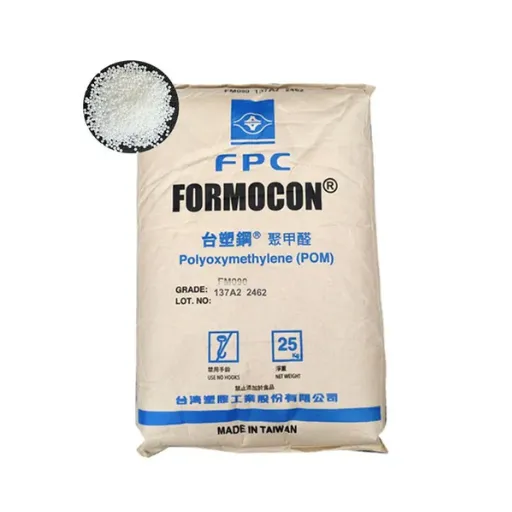
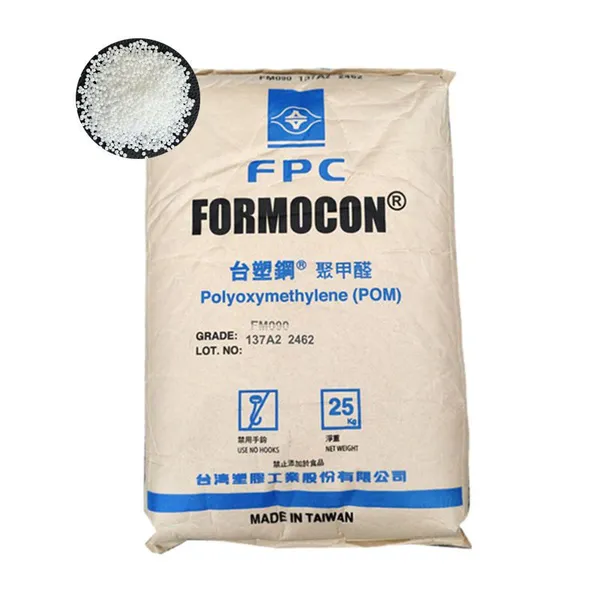
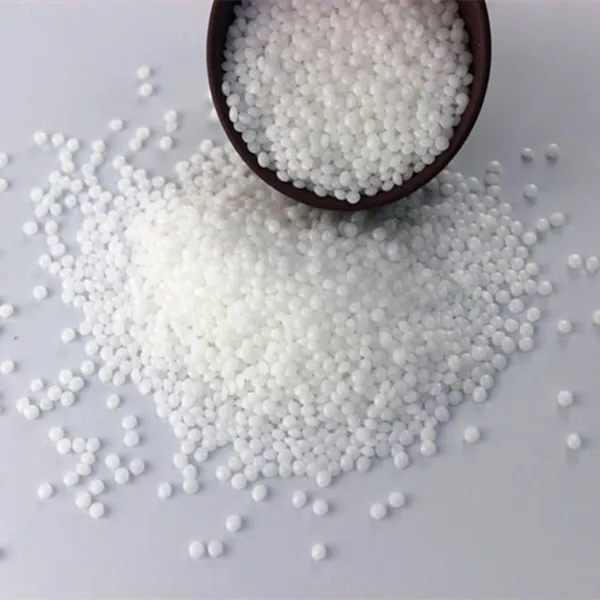
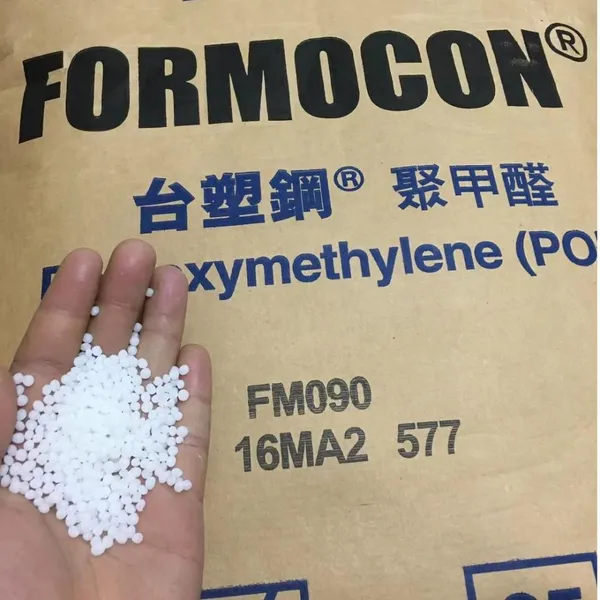
Formosa POM (Formosa Plastics): Copolymer; FM090 is the standard injection molding grade.
Within each brand, grades differ by melt flow rate, lubrication, UV stabilization, glass or mineral filling, and impact modification. A glass-filled copolymer can out-stiff an unfilled homopolymer, so the homopolymer vs copolymer choice is only the first filter. Our POM material selection guide walks through grade selection in more depth, and the nylon vs POM comparison covers the other common substitution decision for wear parts.
Want to validate a grade before committing? We supply trial quantities with full documentation so you can test in your actual application. Order a sample →
How to Specify and Source the Right POM Grade
The POM vs acetal confusion causes real procurement problems. We regularly see purchase orders that say only "acetal, natural" with no polymer type or grade. That vagueness invites trouble: a supplier can legally fill it with either homopolymer or copolymer, and the wrong choice may only reveal itself after months in the field.
Follow these steps to specify acetal correctly:
Define the environment first. List the chemicals, water temperature, UV exposure, and cleaning agents the part will see. If hot water or alkalis are involved, start with copolymer.
Define the mechanical load. Note the stress level, cycle count, and temperature under load. High cyclic loads point toward homopolymer or a reinforced grade.
Name the polymer type. Write "POM homopolymer" or "POM copolymer," not just "acetal."
Name the grade code. Specify, for example, "Delrin 500P" or "Duracon M90-44," plus any color and certification requirements.
Require documentation. Ask for the technical data sheet and certificate of analysis for each batch, so the material you receive is traceable to the producer.
Source through authorized channels. Counterfeit and regrind-adulterated acetal is a genuine risk in the spot market. An authorized distributor supplies genuine resin with batch traceability, which is the core of our quality assurance process.
A note on stock shapes versus injection molding pellets: machinists buying "acetal rod" almost always receive copolymer unless they specifically request Delrin homopolymer. If your drawing calls for Delrin by name, confirm the stock shape supplier actually carries certified homopolymer, because the price difference makes substitution tempting for unauthorized sellers.
FAQ: POM vs Acetal
Is POM the same as acetal?
Yes. POM (polyoxymethylene) and acetal are two names for the same engineering thermoplastic. POM is the ISO-standard abbreviation, while acetal is the common trade name. A quote for "acetal" and a quote for "POM" refer to the same base resin.
What is the difference between Delrin and acetal?
Delrin is DuPont's brand name for acetal homopolymer, so the Delrin vs acetal comparison is really a comparison between one brand of homopolymer and the wider acetal family. Generic "acetal" in the market is usually copolymer. Delrin is stronger and stiffer; acetal copolymer resists hot water, alkalis, and centerline porosity better.
Is acetal homopolymer or copolymer better for gears?
For dry, high-load, high-cycle gears, homopolymer is usually better because of its higher fatigue strength and stiffness. For gears exposed to moisture, hot water, or chemicals, copolymer is the safer choice. Reinforced copolymer grades can also close the stiffness gap.
Can I substitute acetal copolymer for Delrin?
Often yes, but check three things first: the mechanical load margins, the chemical and temperature environment, and any customer or regulatory requirement that names Delrin specifically. Copolymer is roughly 10-15% lower in strength and stiffness, so verify the design still meets its safety factors, and always confirm equivalence with technical data sheets before switching.
Why does my acetal part have a porous center?
Centerline porosity is a known issue in thick-section homopolymer stock shapes and moldings, caused by how the highly crystalline resin solidifies. Copolymer is far less prone to it. If you machine critical parts from thick rod or plate, specifying copolymer or porosity-free certified stock removes most of the risk.
Is POM food safe and suitable for drinking water?
Specific POM grades carry FDA, EU 10/2011, NSF, or WRAS compliance, but compliance is grade-specific, not material-family-wide. Both homopolymer and copolymer have compliant grades. Always request the compliance documentation for the exact grade you are buying, and note that copolymer's better hot-water resistance makes it the common choice for potable-water components.
Conclusion: Same Material, Different Grades
The POM vs acetal debate has a simple answer: they are the same polymer, and the naming difference is historical, not technical. The decision that actually affects your parts is homopolymer vs copolymer:
Homopolymer (Delrin) delivers roughly 10-15% higher strength and stiffness and the best fatigue life, ideal for high-load gears, bearings, and springs.
Copolymer (Duracon, Kepital, KOCETAL, Formosa) resists hot water, alkalis, and hydrolysis better, and avoids centerline porosity in thick sections.
Always specify the polymer type and grade code on drawings and purchase orders, never just "acetal."
Verify every batch with a technical data sheet and certificate of analysis.
Source through authorized channels to eliminate counterfeit and substitution risk.
Get those five points right, and the naming confusion stops being a risk to your program.
If you are comparing grades for a specific part, our team can review your operating conditions and recommend the right POM type, whether that is a DuPont Delrin homopolymer or a Polyplastics, Formosa, or KOCETAL copolymer, with full batch documentation and nationwide delivery. Request a quote or technical data sheet → and we will respond with grade options matched to your application.
Recently Posted
-
ABS in Automotive Interiors: From Dashboards to Door Panels
September 2, 2026A tier-two supplier once substituted a general-purpose ABS for an automotive-grade ABS on a door trim component to save 4% on resi Read More
 -
ABS Flame Retardant Grades and UL 94 Ratings Explained: A Practical Guide for Buyers and Designers
September 2, 2026An electronics manufacturer once submitted a power-supply housing molded from standard ABS to a safety certification test. The mat Read More
 -
KOCETAL K300 vs Formosa FM090 vs DURACON M90: Picking the Right Medium-Viscosity POM
September 2, 2026A gear shop in India once ordered a container of acetal copolymer based on a 5% price discount, without checking whether the grade Read More
 -
PP vs PE: Which Polyolefin Resin Fits Your Application?
September 2, 2026A bottle manufacturer once chose HDPE for a hot-fill juice container and watched the bottles distort on the filling line. The mate Read More

Contact Us
Recommended Products
-
 Automotive Interior Clip and Door Lock POM K300 Injection Molding Material With Low FrictionNegotiableMOQ: 1 Kilogram
 -
KOCETAL POM K300 Virgin Pellets For Precision Gear Bearing Automotive Latch Water Valve PartsNegotiableMOQ: 1 Kilogram
-
Original Kolon POM K300 Engineering Plastic Wear Resistant Self Lubricating Acetal GranulesNegotiableMOQ: 1 Kilogram
-
Self-Lubricating POM K300 HDT 120°C Wear Resistant Resin With 0.2% Moisture AbsorptionNegotiableMOQ: 1 Kilogram
-
POM FM090AW PTFE Filled Wear Resistant Low Friction Acetal for Silent GearsNegotiableMOQ: 1 Kilogram
-
POM FM090 General Purpose Acetal Copolymer With Excellent MachinabilityNegotiableMOQ: 1 Kilogram
-
POM FM090 Standard Flow Acetal Copolymer Granules for Precision Injection MoldingNegotiableMOQ: 1 Kilogram
-
POM FM090 UV Stabilized Acetal Resin for Outdoor Automotive ComponentsNegotiableMOQ: 1 Kilogram
-
Technical Support Available POM K300 Acetal Copolymer for Precision Injection Molding ServiceNegotiableMOQ: 1 Kilogram
-
KOCETAL POM K300 Acetal Copolymer MFR 9 G/10min 1.41g/cm³ Tensile Strength 60MPaNegotiableMOQ: 1 Kilogram
-
Factory Price Polyacetal POM Resin FM090 for Engineering ApplicationsNegotiableMOQ: 1 Kilogram
-
High Strength Cheap POM FM090 UV Engineering Plastic for Automotive PartsNegotiableMOQ: 1 Kilogram
-
Virgin POM FM090 Granules Pellets Engineering Plastic Raw MaterialNegotiableMOQ: 1 Kilogram
-
POM K300 Plastic Granules 1.5% Shrinkage Rate 80 Shore D Hardness Stable Injection Molding PerformanceNegotiableMOQ: 1 Kilogram
-
Low Friction Coefficient High Dimensional Stability POM K300 Acetal Copolymer Injection Molding GradeNegotiableMOQ: 1 Kilogram

-
POM K300 Acetal Sheet Used for Automotive Gear Components and Conveyor Chains in Industrial MachineryNegotiableMOQ: 1 Kilogram
-
POM K300 Engineering Plastic Sheet With Melting Point 165°C and Excellent Wear Resistance for MachiningNegotiableMOQ: 1 Kilogram
-
POM K300 Acetal Copolymer Injection Molding Grade With Low Friction Coefficient and High Dimensional StabilityNegotiableMOQ: 1 Kilogram
-
POM K300 Polyoxymethylene Resin MFI 9 Engineering Plastic Granule for Injection MoldingNegotiableMOQ: 1 Kilogram
-
Virgin POM Granules Polyoxymethylene Pellets Manufacturer Direct Price for Injection MoldingNegotiableMOQ: 1 Kilogram