Business License

KOCETAL POM K300: Properties, Applications, and Sourcing Guide
KOCETAL POM K300 is a medium-viscosity acetal copolymer from Korea Engineering Plastics (KEP), designed as the general-purpose injection molding grade in the KOCETAL family. It balances stiffness, low friction, and dimensional stability, which makes it the default choice for gears, zippers, buckles, clips, and other precision parts. If you need one POM grade that covers most applications, K300 is usually where the conversation starts.
Choosing a POM grade sounds simple until a batch of parts comes back with gear noise, sink marks, or warpage that pushes an assembly out of tolerance. If you have ever qualified a resin that looked fine on paper but failed in the field, you know how expensive the wrong choice becomes.
This guide explains what KOCETAL POM K300 actually is, how its key properties translate into real-world performance, how it compares with other KOCETAL grades and competing brands, and how to process and source it without surprises. By the end, you will know whether K300 fits your application and what to check before placing an order.
Ailide Polymer distributes POM materials through authorized channels in China, so the guidance below reflects what we quote, stock, and support for manufacturers every week.
Key Takeaways
KOCETAL POM K300 is a general-purpose acetal copolymer with medium viscosity, suited to most injection-molded precision parts.
Typical properties include a density of about 1.41 g/cm3, tensile strength around 62 MPa, and flexural modulus near 2,550 MPa, making it comparable to other standard copolymer grades like DURACON M90-44.
K300 excels in gears, sliding components, fasteners, and consumer hardware where low friction and dimensional stability matter more than extreme heat resistance.
As a copolymer, K300 offers better long-term heat aging and chemical resistance than homopolymer POM, at a slightly lower peak mechanical strength.
Buying through an authorized distributor protects you against regrind contamination, mislabeled lots, and missing certificates of analysis.
What Is KOCETAL POM K300?
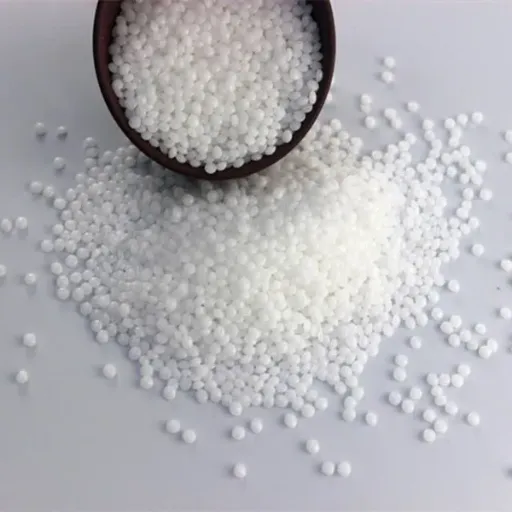
KOCETAL is the trade name for the polyoxymethylene (POM) copolymer resins produced by Korea Engineering Plastics Co., Ltd. (KEP), one of Asia's major dedicated acetal producers. POM, also called acetal or polyacetal, is a highly crystalline engineering thermoplastic valued for stiffness, low friction, fatigue resistance, and excellent dimensional stability.
Within the KOCETAL lineup, grades are organized largely by melt flow. KOCETAL POM K300 sits in the middle of the range as the standard injection molding grade. It flows well enough for typical part geometries while retaining the toughness and fatigue resistance that make POM useful in mechanical components.
KEP positions KOCETAL against global acetal brands, and the material is widely used across automotive, electronics, appliance, and consumer goods programs in Asia. You can cross-check typical published property values for K300 on independent databases such as MatWeb and Omnexus, which mirror official datasheet data.
KOCETAL POM K300 Key Properties
Numbers on a datasheet only matter if you know what they mean for your part. The table below summarizes typical K300 properties, followed by what each one tells you in practice. Values are typical published figures; always confirm against the official technical data sheet for your specific lot.
| Property | Typical Value | What It Means in Practice |
|---|---|---|
| Density | ~1.41 g/cm3 | Standard for acetal; heavier than PP or PA, similar to other POM |
| Melt flow rate (190 °C / 2.16 kg) | ~9 g/10 min | Medium flow; fills typical mold geometries without excessive pressure |
| Tensile strength | ~62 MPa | Handles sustained mechanical loads in gears and structural clips |
| Flexural modulus | ~2,550 MPa | Stiff enough for snap-fits and housings that must hold shape |
| Notched Izod impact (23 °C) | ~6.5 kJ/m2 | Moderate toughness; adequate for most mechanical parts |
| Melting point | ~165 °C | Crystalline melting point; defines processing window |
| Heat deflection temperature (1.82 MPa) | ~110 °C | Suitable for parts seeing continuous service near 80 to 100 °C |
| Water absorption (24 h) | ~0.2% | Very low moisture uptake, so dimensions stay stable in humid environments |
Three properties deserve special attention. First, the low friction coefficient and inherent lubricity of POM make K300 self-wearing against metal and against itself, which is why it dominates gear and sliding applications. Second, its low water absorption means molded parts hold tolerance in conditions that would cause nylon to swell. Third, its fatigue resistance lets springs, clips, and snap-fits survive millions of cycles without cracking.
When Kevin, a production manager at a small gear maker in Dongguan, switched a line of printer drive gears from a generic POM to KOCETAL K300 in early 2025, his incoming-inspection reject rate dropped from 2.1% to under 0.4% in three months. The difference was not a better machine setup. It was batch-to-batch consistency in melt flow, which stabilized tooth dimensions across cavities.
Want the full datasheet before you decide? Request the KOCETAL K300 technical data sheet and we will send it with a current quotation.
Where Is KOCETAL POM K300 Used?
Because KOCETAL POM K300 is the general-purpose grade, its application list reads like a tour of molded precision parts. The common thread is a need for stiffness, low friction, and repeatable dimensions at a reasonable cost.
Automotive components. Fuel-system fittings, door-lock mechanisms, seat-belt hardware, window-regulator gears, and interior clips. Automakers value acetal copolymer here because it resists fuels, oils, and cleaning agents while holding tolerance through temperature swings.
Gears and drive components. Spur gears, worm gears, pulleys, cams, and rollers for printers, home appliances, power tools, and vending machines. K300 runs quietly against metal pinions and resists wear in intermittent-motion drives.
Consumer hardware. Zippers, buckles, fasteners, pen mechanisms, toy parts, and furniture fittings. The material's surface hardness and natural gloss give these parts a quality feel without secondary finishing.
Electrical and electronics. Switch components, connector housings, and small precision parts where dimensional stability and electrical insulation matter. For flame-retardant or conductive requirements, modified KOCETAL grades are used instead.
Industrial and plumbing. Pump impellers, valve components, and irrigation fittings that see water, mild chemicals, and continuous mechanical load.
For a broader framework on matching POM to part requirements, see our POM material selection guide.
How K300 Compares to Other KOCETAL Grades
The KOCETAL family uses a numbering system where flow rate increases with the grade number. Understanding where K300 sits helps you decide when to stay with it and when to step up or down.
K100: higher viscosity and higher toughness. Used for extrusion, heavy-duty sliders, and parts that need maximum impact resistance over ease of fill.
K300: the standard general-purpose injection molding grade. Balanced flow and mechanical properties for most parts.
K500 and K700: higher flow variants for thinner walls, longer flow paths, and more complex molds, with a modest trade-off in toughness.
K900 and above: very high flow grades for fine, high-cavitation precision molding where fill pressure is the limiting factor.
Beyond the flow series, the KEP POM grades lineup includes modified KOCETAL variants for specific needs, including weather-stabilized grades for outdoor use, low-emission grades for automotive interiors, glass-fiber-reinforced grades for higher stiffness, and lubricated wear grades for demanding sliding applications. If your part lives outdoors, carries high structural load, or runs against a mating surface continuously, ask about these variants rather than forcing standard K300 into the role.
KOCETAL K300 vs Competing POM Grades
Buyers rarely evaluate K300 in isolation. The two comparisons we hear most often are against DURACON M90-44 from Polyplastics and against Delrin homopolymer grades.
K300 vs DURACON M90-44. These are close functional equivalents: both are medium-viscosity acetal copolymers aimed at general injection molding. Typical mechanical values are within a few percent of each other. In practice, the choice often comes down to availability, price at your volume, and which brand your customer or end-product specification names. We stock and quote both, and for most non-specified parts they are interchangeable after a short molding trial.
K300 vs Delrin homopolymer. Delrin is a POM homopolymer, and homopolymers deliver roughly 10 to 15% higher tensile strength and stiffness than copolymers. Copolymers like K300 win on long-term heat aging, resistance to hot water and alkaline chemicals, and reduced centerline porosity in thick sections. If your part sees continuous elevated temperature or caustic cleaning, the copolymer is usually the safer choice. If you need maximum short-term mechanical strength in a dry, moderate-temperature environment, a homopolymer may justify its premium.
Priya, a sourcing lead for an appliance manufacturer in Suzhou, faced exactly this decision for a dishwasher spray-arm fitting. The part sat in hot, detergent-rich water for thousands of cycles. Her team tested both a homopolymer and K300; the homopolymer showed stress cracking after accelerated aging, while K300 passed. The lesson she took away: match the polymer type to the chemical and thermal environment first, then compare brands.
For wear-intensive parts, it is also worth comparing POM against nylon. Our nylon vs POM comparison covers that decision in detail.
Evaluating K300 against another grade for an active project? Contact our technical team with your part requirements and we will recommend the most cost-effective option.
Processing KOCETAL POM K300: Practical Guidelines
K300 is forgiving to process, but a few parameters make the difference between good parts and scrap. In addition, processing references such as Plastics Technology publish useful acetal molding baselines if you are setting up a new tool.
Drying. Acetal copolymer is not highly hygroscopic, so drying requirements are modest. A typical recommendation is 80 to 100 °C for two to three hours, mainly to remove surface moisture that causes splay and silver streaks. Do not over-dry or hold material at temperature for extended periods, because POM can degrade and release formaldehyde.
Melt temperature. Run K300 in the 190 to 210 °C range. Staying below 220 °C is important, because overheated POM degrades quickly and the degradation products are corrosive to tooling. Purge thoroughly before shutdown with a stable material such as PE.
Mold temperature. A mold temperature of 60 to 90 °C promotes good surface finish and crystallization. Higher mold temperatures improve dimensional stability and reduce post-molding shrinkage, at the cost of longer cycle times.
Shrinkage and tolerances. Expect mold shrinkage around 1.8 to 2.2% depending on wall thickness and gate design. This is higher than amorphous resins like ABS or PC, so tool design must account for it, especially on precision gears and bearing bores.
Ventilation and safety. Ensure adequate ventilation at the machine. Degraded POM releases formaldehyde gas, which is irritating and hazardous. If you smell a sharp, pungent odor, stop, purge, and check your temperature settings before continuing.
Pro Tip: When troubleshooting warpage in K300 parts, check mold temperature balance between cavities before touching melt temperature. Uneven cooling accounts for most dimensional drift in acetal molding.
How to Source Authentic KOCETAL POM K300
Acetal is one of the most commonly adulterated engineering resins in the spot market. Regrind blended into virgin bags, relabeled lots, and missing certificates of analysis all show up as quality problems months after purchase. Therefore, if you are evaluating a POM supplier in China for KOCETAL POM K300, a few checks protect you.
Buy through authorized channels. An authorized distributor sources directly from the producer, so the chain of custody is intact from reactor to your dock.
Demand documentation for every lot. Ask for the technical data sheet and certificate of analysis with each shipment, and verify lot numbers against the packaging.
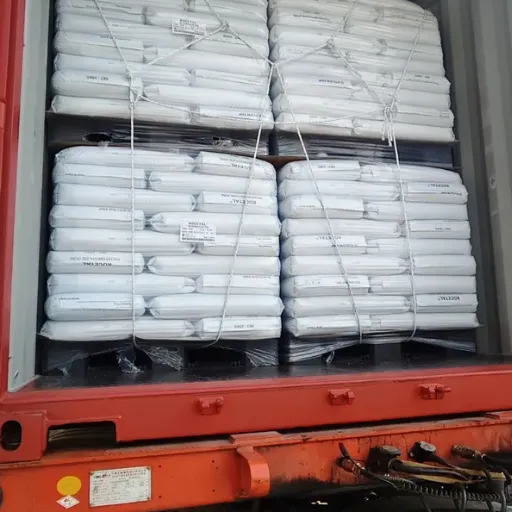
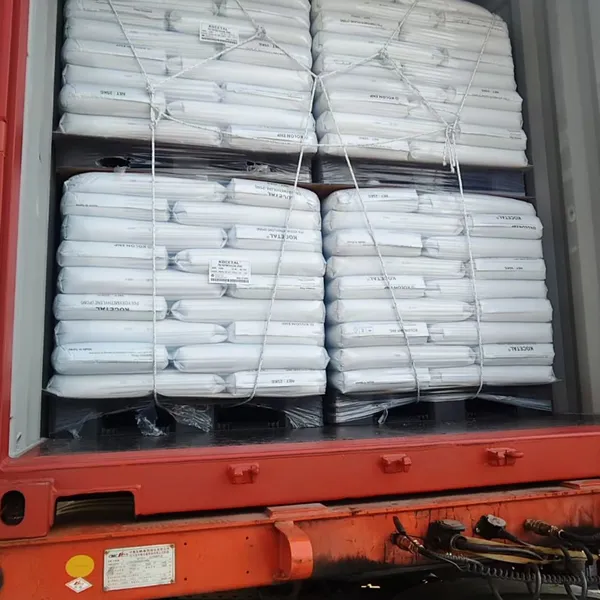
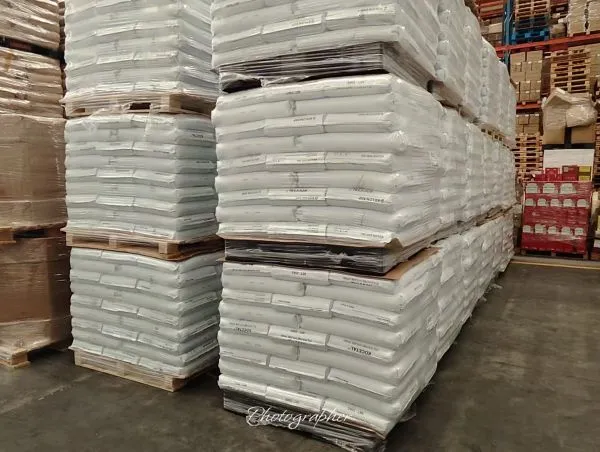
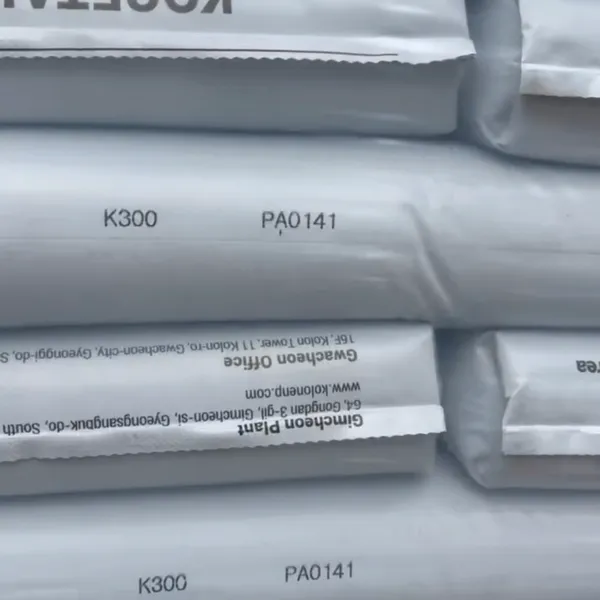
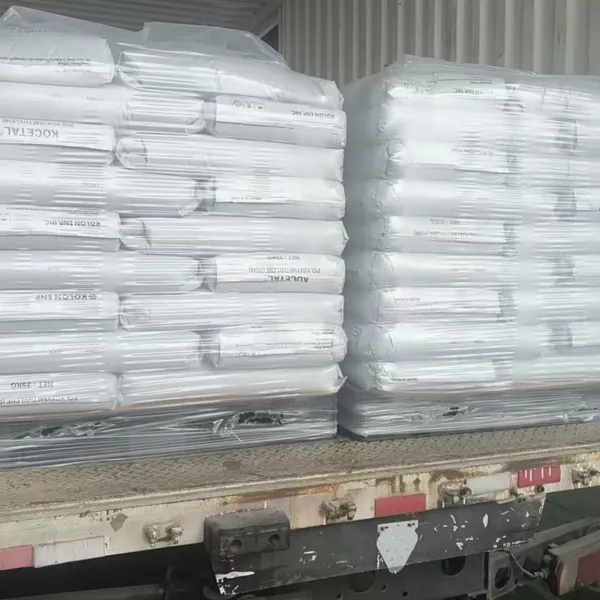
Inspect packaging. Genuine material arrives in original sealed bags with legible labels, grade markings, and lot codes. Torn, re-taped, or hand-labeled bags are a red flag.
Run an incoming check. A simple melt flow test on incoming lots catches most regrind contamination, because blended material shows a shifted or unstable MFR.
Build a relationship, not a transaction. Suppliers who know your application will flag supply tightness early and help you plan inventory instead of leaving you exposed.
For a broader procurement framework, see our guide to sourcing authentic engineering plastics in China.
Tomas, a procurement manager for an export-oriented molder in Ningbo, learned this the hard way in 2024. A discounted K300 lot from an unknown trader molded inconsistently and failed a customer's fatigue test. Tracing the lot showed mismatched lot codes and no certificate of analysis. The savings of roughly 8% on that one order cost him a re-tooling cycle, a customer audit, and weeks of line stoppage.
Ailide Polymer's quality assurance process includes lot documentation and traceability for every batch we ship, which is how we keep stories like Tomas's from happening to our customers.
Frequently Asked Questions
What is KOCETAL POM K300 used for?
KOCETAL POM K300 is used for general-purpose injection-molded precision parts, including gears, zippers, buckles, clips, automotive hardware, pump components, and consumer goods. It is chosen when a part needs stiffness, low friction, and dimensional stability at a reasonable cost.
Is KOCETAL K300 a copolymer or homopolymer?
KOCETAL K300 is an acetal copolymer. Copolymer POM offers better long-term heat aging, hot-water resistance, and chemical resistance than homopolymer POM, with slightly lower peak mechanical strength.
What is the KOCETAL K300 equivalent in other brands?
The closest functional equivalent is Polyplastics DURACON M90-44, another medium-viscosity general-purpose acetal copolymer. For most applications, the two grades are interchangeable after a short molding trial, though you should confirm with your end-product specification.
Does KOCETAL K300 need to be dried before molding?
Only lightly. A typical recommendation is 80 to 100 °C for two to three hours to remove surface moisture. Unlike nylon, acetal copolymer absorbs very little water, so extended drying is unnecessary and can cause degradation.
What is the minimum order quantity for KOCETAL K300?
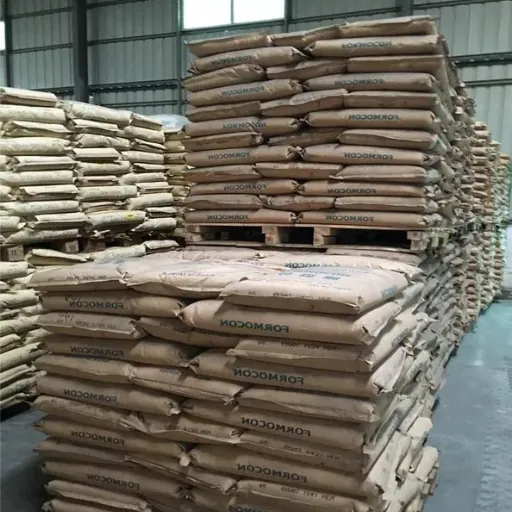
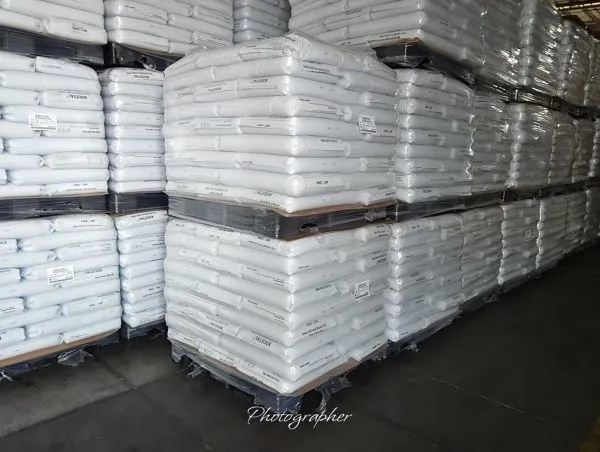
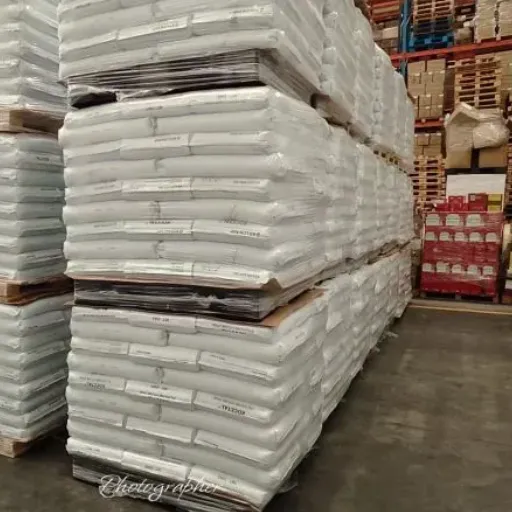
Minimum order quantities depend on packaging and current stock. Standard producer packaging is typically 25 kg bags, and many distributors, including Ailide Polymer, can support trial quantities for material validation before you commit to production volumes.
Conclusion
KOCETAL POM K300 earns its place as the workhorse grade of the KOCETAL family. Keep these points in mind:
It is a medium-viscosity acetal copolymer built for general-purpose injection molding.
Its combination of low friction, stiffness, and dimensional stability suits gears, clips, fasteners, and precision components.
As a copolymer, it handles hot water, chemicals, and long-term heat aging better than homopolymer POM.
Processing is straightforward: modest drying, a 190 to 210 °C melt window, and mold temperatures of 60 to 90 °C.
Sourcing through authorized channels with full lot documentation is the simplest way to protect part quality.
Your next step is to match K300's datasheet against your part's mechanical, thermal, and chemical requirements. If it fits, validate with a trial batch before committing to production volumes.
Request a quote for KOCETAL POM K300 and we will respond with current pricing, lead time, and the technical data sheet for your review. Choosing the right material is easier when you work with a partner who stocks it, documents it, and stands behind it.
Recently Posted
-
ABS in Automotive Interiors: From Dashboards to Door Panels
September 2, 2026A tier-two supplier once substituted a general-purpose ABS for an automotive-grade ABS on a door trim component to save 4% on resi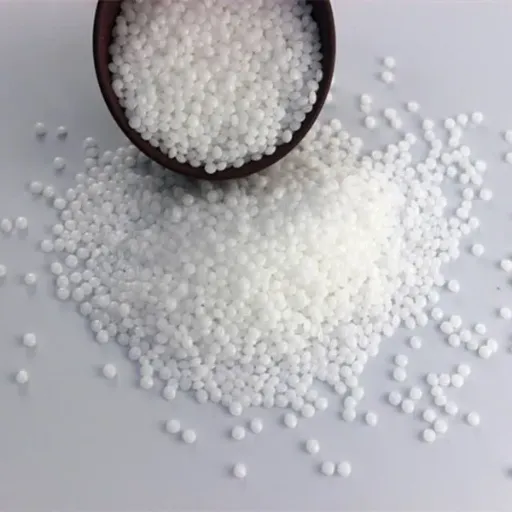 Read More
 -
ABS Flame Retardant Grades and UL 94 Ratings Explained: A Practical Guide for Buyers and Designers
September 2, 2026An electronics manufacturer once submitted a power-supply housing molded from standard ABS to a safety certification test. The mat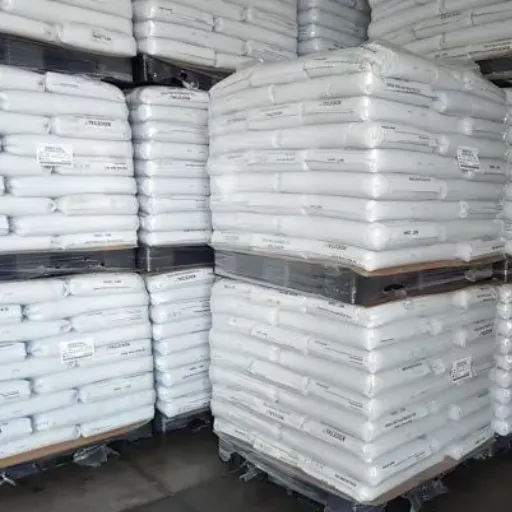 Read More
 -
KOCETAL K300 vs Formosa FM090 vs DURACON M90: Picking the Right Medium-Viscosity POM
September 2, 2026A gear shop in India once ordered a container of acetal copolymer based on a 5% price discount, without checking whether the grade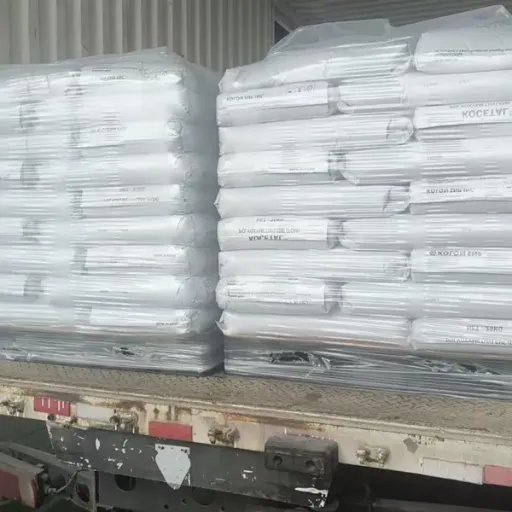 Read More
 -
PP vs PE: Which Polyolefin Resin Fits Your Application?
September 2, 2026A bottle manufacturer once chose HDPE for a hot-fill juice container and watched the bottles distort on the filling line. The mate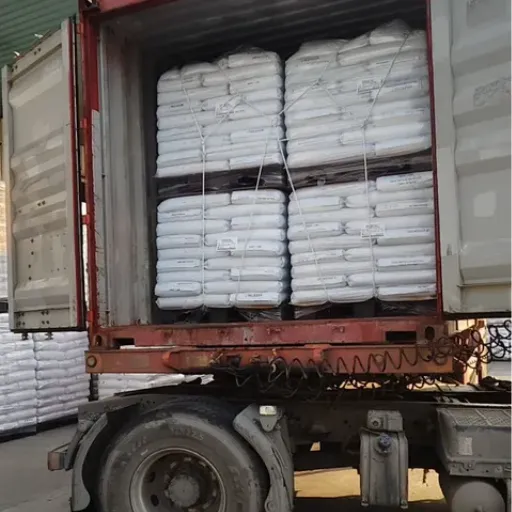 Read More

Contact Us
Recommended Products
-
 Automotive Interior Clip and Door Lock POM K300 Injection Molding Material With Low FrictionNegotiableMOQ: 1 Kilogram
 -
KOCETAL POM K300 Virgin Pellets For Precision Gear Bearing Automotive Latch Water Valve PartsNegotiableMOQ: 1 Kilogram
-
Original Kolon POM K300 Engineering Plastic Wear Resistant Self Lubricating Acetal GranulesNegotiableMOQ: 1 Kilogram
-
Self-Lubricating POM K300 HDT 120°C Wear Resistant Resin With 0.2% Moisture AbsorptionNegotiableMOQ: 1 Kilogram
-
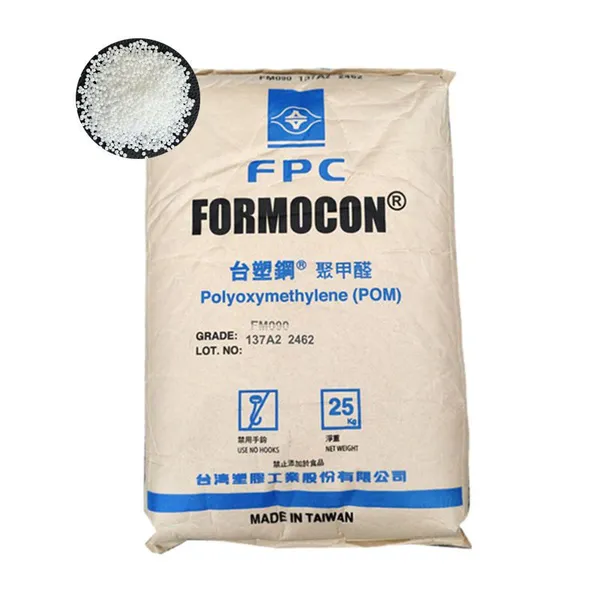
POM FM090AW PTFE Filled Wear Resistant Low Friction Acetal for Silent GearsNegotiableMOQ: 1 Kilogram
-
POM FM090 General Purpose Acetal Copolymer With Excellent MachinabilityNegotiableMOQ: 1 Kilogram
-
POM FM090 Standard Flow Acetal Copolymer Granules for Precision Injection MoldingNegotiableMOQ: 1 Kilogram
-
POM FM090 UV Stabilized Acetal Resin for Outdoor Automotive ComponentsNegotiableMOQ: 1 Kilogram
-
Technical Support Available POM K300 Acetal Copolymer for Precision Injection Molding ServiceNegotiableMOQ: 1 Kilogram
-
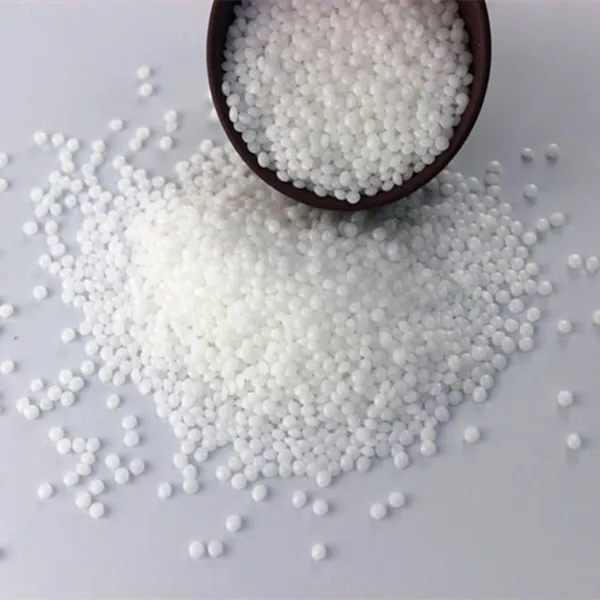
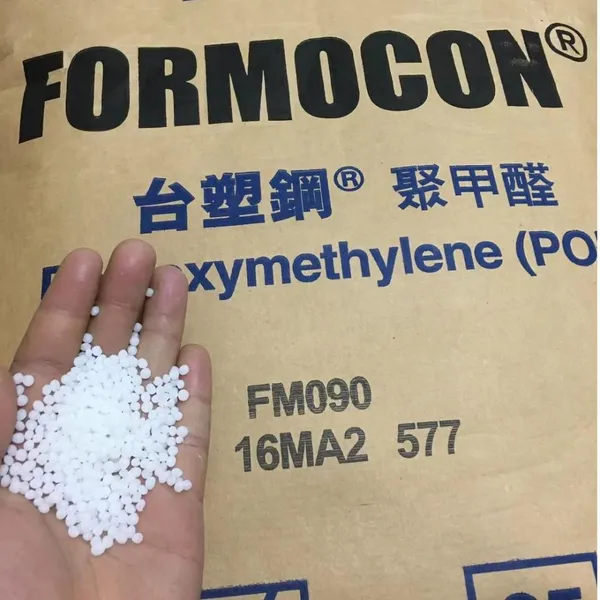
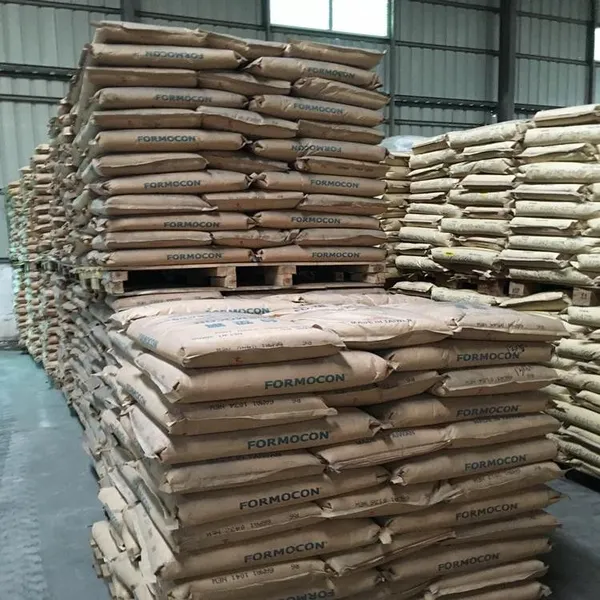
KOCETAL POM K300 Acetal Copolymer MFR 9 G/10min 1.41g/cm³ Tensile Strength 60MPaNegotiableMOQ: 1 Kilogram
-
Factory Price Polyacetal POM Resin FM090 for Engineering ApplicationsNegotiableMOQ: 1 Kilogram
-
High Strength Cheap POM FM090 UV Engineering Plastic for Automotive PartsNegotiableMOQ: 1 Kilogram
-
Virgin POM FM090 Granules Pellets Engineering Plastic Raw MaterialNegotiableMOQ: 1 Kilogram
-
POM K300 Plastic Granules 1.5% Shrinkage Rate 80 Shore D Hardness Stable Injection Molding PerformanceNegotiableMOQ: 1 Kilogram
-
Low Friction Coefficient High Dimensional Stability POM K300 Acetal Copolymer Injection Molding GradeNegotiableMOQ: 1 Kilogram

-
POM K300 Acetal Sheet Used for Automotive Gear Components and Conveyor Chains in Industrial MachineryNegotiableMOQ: 1 Kilogram
-
POM K300 Engineering Plastic Sheet With Melting Point 165°C and Excellent Wear Resistance for MachiningNegotiableMOQ: 1 Kilogram
-
POM K300 Acetal Copolymer Injection Molding Grade With Low Friction Coefficient and High Dimensional StabilityNegotiableMOQ: 1 Kilogram
-
POM K300 Polyoxymethylene Resin MFI 9 Engineering Plastic Granule for Injection MoldingNegotiableMOQ: 1 Kilogram
-
Virgin POM Granules Polyoxymethylene Pellets Manufacturer Direct Price for Injection MoldingNegotiableMOQ: 1 Kilogram