Business License

POM Chemical Resistance: What It Handles and What It Doesn't
POM chemical resistance is good to excellent against fuels, oils, many solvents, and weak acids, but it isn't suitable for strong oxidizing acids, concentrated bases, or continuous hot-water exposure without grade selection. Homopolymer and copolymer grades differ. Copolymer generally offers better hydrolysis and base resistance.
In March 2025, an automotive supplier in Wuhan named Chen Liang selected a standard POM grade for a fuel-pump component. Initial testing passed at room temperature, but after 500 hours at 60 °C in a biofuel blend, the part swelled and lost stiffness. Chen switched to a fuel-stabilized copolymer POM grade. The new part survived 1,000 hours at 85 °C with less than 0.5% dimensional change.
If you're choosing POM for an application that contacts chemicals, fuel, or water, this POM chemical resistance guide will help you avoid the mistakes that cause field failures. You'll learn which chemical families POM handles well, where its limits are, and how to interpret chemical resistance data sheets for your application.
Key Takeaways
POM resists fuels, oils, greases, alcohols, and many organic solvents under normal conditions.
POM is not recommended for strong oxidizing acids, concentrated bases, hot water, or steam without a copolymer or stabilized grade.
POM copolymer generally resists hydrolysis, bases, and thermal degradation better than homopolymer.
Chemical resistance tables are only a starting point; always test under actual temperature, concentration, and stress conditions.
Ailide Polymer supplies POM grades with documented chemical resistance data and application support.
Why POM Chemical Resistance Matters
POM is widely used in fuel systems, pump components, valves, fittings, and industrial parts because it combines strength, dimensional stability, and resistance to many common chemicals. However, POM chemical resistance isn't universal. A grade that performs well in diesel fuel may fail in brake fluid, hot water, or acidic cleaning solutions.
Designers often assume that POM, as an engineering plastic, can replace metal in any fluid-contact application. That assumption leads to field failures, warranty claims, and costly redesigns. Understanding POM chemical compatibility means matching the grade, temperature, concentration, and exposure time to the actual operating environment.
For a broader material overview, see our article on POM polyoxymethylene mechanical properties or browse the POM grades we supply.
POM Chemical Resistance Overview
POM is a semi-crystalline thermoplastic with a dense polymer structure. That density gives it good resistance to non-polar and weakly polar chemicals, including hydrocarbons, oils, and alcohols. It's less resistant to strong acids, strong bases, and oxidizing agents that attack the polymer chain. This combination of properties is why acetal chemical resistance is valued in fuel systems and industrial machinery.
The two main POM types, homopolymer and copolymer, also behave differently. POM copolymer generally has better resistance to hot water, bases, and thermal degradation. POM homopolymer, such as DuPont Delrin, often has slightly better resistance to some fuels and solvents but can be more sensitive to hydrolysis and strong bases.
Chemical Families and POM Compatibility
The table below summarizes POM chemical resistance across common chemical families. Ratings are for room-temperature exposure unless noted.
| Chemical Family | Examples | POM Compatibility | Notes |
|---|---|---|---|
| Aliphatic hydrocarbons | Gasoline, diesel, kerosene | Excellent | POM is widely used in fuel-system components. |
| Aromatic hydrocarbons | Toluene, xylene | Good to limited | Higher concentrations and temperatures can cause swelling. |
| Alcohols | Methanol, ethanol, isopropanol | Good to excellent | Generally compatible at moderate temperatures. |
| Glycols | Antifreeze, coolant | Good | POM is used in cooling-system components. |
| Oils and greases | Engine oil, hydraulic oil | Excellent | Common in automotive and industrial parts. |
| Weak acids | Dilute acetic, citric | Good | Concentration and temperature matter. |
| Strong acids | Sulfuric, hydrochloric, nitric | Poor | Especially oxidizing acids attack POM. |
| Strong bases | Sodium hydroxide, ammonia | Poor to fair | Copolymer grades resist bases better than homopolymer. |
| Ketones | Acetone, MEK | Poor | Ketones can soften and swell POM. |
| Chlorinated solvents | Trichloroethylene, methylene chloride | Poor to limited | Avoid continuous contact. |
| Hot water / steam | Water above 60 °C | Fair to good | Copolymer grades perform better; add stabilizers for long-term use. |
These ratings are general. Always confirm POM chemical compatibility with supplier data sheets and application testing before finalizing a grade.
POM Fuel Resistance
One of the most common reasons to choose POM is its excellent resistance to automotive and industrial fuels.
Gasoline and Diesel
POM performs well in gasoline and diesel fuel at typical operating temperatures. Both homopolymer and copolymer grades are used in fuel caps, pump housings, valves, and connectors. For a wider view of grades used across vehicle systems, see our materials for automotive overview. Fuel-stabilized grades are available for biofuel blends and aggressive aromatic formulations.
Biofuels and Oxygenated Fuels
Ethanol and methanol blends can be more aggressive than pure hydrocarbons. Higher alcohol content and elevated temperature increase swelling and stress-cracking risk. For E85 or high-methanol fuels, choose a fuel-stabilized POM copolymer grade and validate with long-term immersion testing.
Fuel Additives
Modern fuels contain detergents, corrosion inhibitors, and other additives. These can affect POM chemical resistance differently than base fuel. Always test with the actual commercial fuel formulation rather than a simplified lab blend.
POM Resistance to Oils and Lubricants
POM is highly resistant to mineral oils, synthetic lubricants, greases, and hydraulic fluids. That makes it a standard choice for bearings, bushings, gears, and pump components that operate in oily environments. See our broader range of engineering plastics for machinery if your part must also handle load, wear, or chemical exposure.
Some extreme-pressure additives and ester-based synthetic oils can affect POM at high temperatures. If the application runs above 80 °C continuously, review the specific lubricant formulation and test for compatibility.
POM Hydrolysis Resistance
Hydrolysis is the chemical breakdown of a polymer by water. POM absorbs very little moisture, typically less than 0.25%, but it can still hydrolyze under hot, wet conditions.
Hot Water and Steam
POM homopolymer is generally not recommended for continuous exposure to water above 60 °C. POM copolymer performs better and is often used in hot-water fittings, dishwasher components, and plumbing parts. For steam or very hot water, consider copolymer grades with hydrolysis stabilizers.
Aqueous Acids and Bases
Weak acids at low concentrations are usually tolerated at room temperature. Strong acids and bases, especially at elevated temperature, can attack POM rapidly. Chlorine-containing cleaning solutions and alkaline degreasers are common causes of POM failure in industrial and appliance applications.
POM Resistance to Solvents and Cleaning Agents
POM resists many common industrial solvents, including aliphatic hydrocarbons and alcohols. It isn't compatible with ketones such as acetone and methyl ethyl ketone, which dissolve or severely swell acetal resins.
Chlorinated solvents also attack POM and should be avoided. If parts must be cleaned with solvents, use isopropanol or approved hydrocarbon cleaners rather than acetone or chlorinated products.
POM Homopolymer vs Copolymer Chemical Resistance
The choice between homopolymer and copolymer POM affects chemical performance as well as mechanical properties.
| Property | POM Homopolymer | POM Copolymer |
|---|---|---|
| Fuel resistance | Excellent | Excellent |
| Oil and grease resistance | Excellent | Excellent |
| Hydrolysis resistance | Good | Better |
| Base resistance | Fair | Better |
| Acid resistance | Good with weak acids | Similar to homopolymer |
| Thermal stability | Good | Better |
| Typical suppliers | DuPont Delrin | Polyplastics, Mitsubishi |
For hot-water, fuel-system, or chemically exposed parts, POM copolymer is usually the safer choice. Ailide Polymer sources certified homopolymer and copolymer grades from authorized global suppliers including DuPont, Polyplastics, and Mitsubishi. For high-stiffness mechanical parts in fuel or oil, homopolymer may still be preferred.
Our POM material selection guide explains how to balance chemical resistance with mechanical requirements.
How to Read POM Chemical Resistance Data Sheets
Supplier data sheets and chemical resistance tables are useful, but they have limits.
Temperature Matters
A chemical rated "resistant" at 20 °C may become "limited" or "not resistant" at 60 °C. Always check the test temperature and consider your maximum operating temperature.
Concentration Matters
Dilute acids may be acceptable where concentrated acids are not. A 5% solution and a 50% solution of the same chemical can produce very different results.
Stress and Strain Matter
Parts under load or with molded-in stress fail faster than unstressed specimens. Chemical attack often appears as cracking or crazing in stressed areas first.
Exposure Time Matters
Short-term splash resistance is different from continuous immersion. A rating based on 24-hour exposure may not predict performance over months or years.
Testing POM Chemical Compatibility in Your Application
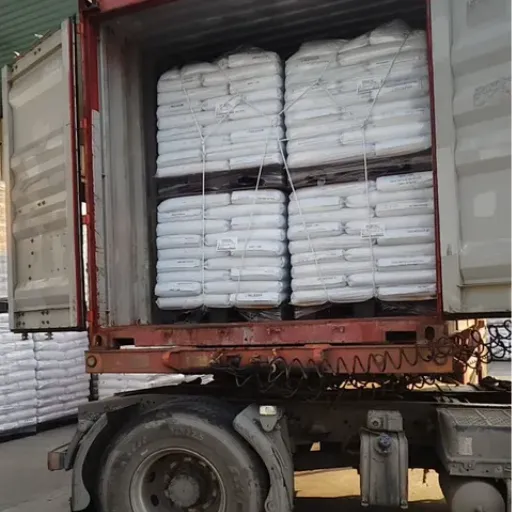
Laboratory data sheets should be followed by application-specific testing.
Define the exposure conditions: temperature, concentration, time, and mechanical stress.
Select candidate grades: compare homopolymer, copolymer, and stabilized grades.
Prepare test specimens: use molded parts rather than raw pellets when possible.
Measure before and after: weight change, dimensional change, tensile strength, and surface appearance.
Evaluate under stress: test loaded or flexed specimens to reveal stress-cracking tendencies.
Document results: compare against acceptance criteria for your application.
Common Failures and How to Prevent Them
Swelling and Softening
Caused by absorption of ketones, aromatics, or aggressive fuels. Prevention: choose a more chemically resistant grade, reduce temperature, or limit exposure time.
Stress Cracking
Caused by chemicals attacking stressed regions of the part. Prevention: anneal parts to relieve stress, improve mold design, or select a grade with better chemical resistance.
Hydrolysis and Degradation
Caused by long-term hot-water or alkaline exposure. Prevention: switch to a hydrolysis-resistant copolymer grade or add stabilizers.
Surface Etching
Caused by strong acids or oxidizing chemicals. Prevention: avoid these chemicals entirely or use a different material such as PEEK or PTFE. If wear resistance and cost are also priorities, compare POM vs nylon to see which engineering plastic fits the application.
FAQ: POM Chemical Resistance
Is POM resistant to gasoline?
Yes. POM has excellent resistance to gasoline and diesel fuel at typical operating temperatures. It is widely used in fuel-system components such as caps, valves, and pump housings.
Can POM be used with alcohol?
POM generally resists alcohols such as methanol, ethanol, and isopropanol at moderate temperatures. High-temperature or high-concentration alcohol blends, such as E85 fuel, should be tested with the specific grade before use.
Is POM resistant to acetone?
No. Acetone and other ketones attack POM, causing swelling, softening, and loss of mechanical properties. Avoid ketone contact or choose a different material such as PTFE.
Does POM absorb water?
POM absorbs very little water, typically less than 0.25%. However, continuous exposure to hot water or steam can still cause hydrolysis over time, especially in homopolymer grades.
Is Delrin the same as POM for chemical resistance?
Delrin is DuPont's brand of POM homopolymer. It shares the same general Delrin chemical resistance profile as other POM homopolymers. For applications needing better hydrolysis or base resistance, a POM copolymer grade is usually preferred.
Can POM handle acids?
POM tolerates weak acids at low concentrations and room temperature. It isn't recommended for strong oxidizing acids such as concentrated sulfuric, nitric, or hydrochloric acid.
Which POM grade is best for hot water?
POM copolymer grades, especially those with hydrolysis stabilizers, perform best in hot-water and steam applications. Examples include Polyplastics Duracon hydrolysis-resistant grades.
Conclusion
POM chemical resistance is one reason acetal is so widely used in fuel systems, pumps, valves, and industrial components. It handles fuels, oils, greases, and many solvents reliably. Its limits appear with strong acids, strong bases, ketones, chlorinated solvents, and continuous hot-water exposure.
Choosing the right grade means looking beyond general compatibility ratings. Consider temperature, concentration, stress, exposure time, and whether a homopolymer or copolymer structure fits the application.
Ailide Polymer supplies certified POM homopolymer and copolymer grades from authorized global suppliers. We provide technical data sheets, batch traceability under a strict quality assurance framework, and technical support for material selection and chemical compatibility questions.
Contact our team to discuss your application, request a quote for certified POM grades, or order samples for chemical resistance testing.
Recently Posted
-
ABS in Automotive Interiors: From Dashboards to Door Panels
September 2, 2026A tier-two supplier once substituted a general-purpose ABS for an automotive-grade ABS on a door trim component to save 4% on resi Read More
 -
ABS Flame Retardant Grades and UL 94 Ratings Explained: A Practical Guide for Buyers and Designers
September 2, 2026An electronics manufacturer once submitted a power-supply housing molded from standard ABS to a safety certification test. The mat Read More
 -
KOCETAL K300 vs Formosa FM090 vs DURACON M90: Picking the Right Medium-Viscosity POM
September 2, 2026A gear shop in India once ordered a container of acetal copolymer based on a 5% price discount, without checking whether the grade Read More
 -
PP vs PE: Which Polyolefin Resin Fits Your Application?
September 2, 2026A bottle manufacturer once chose HDPE for a hot-fill juice container and watched the bottles distort on the filling line. The mate Read More

Contact Us
Recommended Products
-
 Automotive Interior Clip and Door Lock POM K300 Injection Molding Material With Low FrictionNegotiableMOQ: 1 Kilogram
 -
KOCETAL POM K300 Virgin Pellets For Precision Gear Bearing Automotive Latch Water Valve PartsNegotiableMOQ: 1 Kilogram
-
Original Kolon POM K300 Engineering Plastic Wear Resistant Self Lubricating Acetal GranulesNegotiableMOQ: 1 Kilogram
-
Self-Lubricating POM K300 HDT 120°C Wear Resistant Resin With 0.2% Moisture AbsorptionNegotiableMOQ: 1 Kilogram
-
POM FM090AW PTFE Filled Wear Resistant Low Friction Acetal for Silent GearsNegotiableMOQ: 1 Kilogram
-
POM FM090 General Purpose Acetal Copolymer With Excellent MachinabilityNegotiableMOQ: 1 Kilogram
-
POM FM090 Standard Flow Acetal Copolymer Granules for Precision Injection MoldingNegotiableMOQ: 1 Kilogram
-
POM FM090 UV Stabilized Acetal Resin for Outdoor Automotive ComponentsNegotiableMOQ: 1 Kilogram
-
Technical Support Available POM K300 Acetal Copolymer for Precision Injection Molding ServiceNegotiableMOQ: 1 Kilogram
-
KOCETAL POM K300 Acetal Copolymer MFR 9 G/10min 1.41g/cm³ Tensile Strength 60MPaNegotiableMOQ: 1 Kilogram
-
Factory Price Polyacetal POM Resin FM090 for Engineering ApplicationsNegotiableMOQ: 1 Kilogram
-
High Strength Cheap POM FM090 UV Engineering Plastic for Automotive PartsNegotiableMOQ: 1 Kilogram
-
Virgin POM FM090 Granules Pellets Engineering Plastic Raw MaterialNegotiableMOQ: 1 Kilogram
-
POM K300 Plastic Granules 1.5% Shrinkage Rate 80 Shore D Hardness Stable Injection Molding PerformanceNegotiableMOQ: 1 Kilogram
-
Low Friction Coefficient High Dimensional Stability POM K300 Acetal Copolymer Injection Molding GradeNegotiableMOQ: 1 Kilogram

-
POM K300 Acetal Sheet Used for Automotive Gear Components and Conveyor Chains in Industrial MachineryNegotiableMOQ: 1 Kilogram
-
POM K300 Engineering Plastic Sheet With Melting Point 165°C and Excellent Wear Resistance for MachiningNegotiableMOQ: 1 Kilogram
-
POM K300 Acetal Copolymer Injection Molding Grade With Low Friction Coefficient and High Dimensional StabilityNegotiableMOQ: 1 Kilogram
-
POM K300 Polyoxymethylene Resin MFI 9 Engineering Plastic Granule for Injection MoldingNegotiableMOQ: 1 Kilogram
-
Virgin POM Granules Polyoxymethylene Pellets Manufacturer Direct Price for Injection MoldingNegotiableMOQ: 1 Kilogram