Business License

ABS Material Price: What Buyers Should Expect in 2026
ABS material price per kilogram typically ranges from 1.40to1.40to2.80 for standard injection and extrusion grades in 2026. Specialty grades such as transparent MABS, high-heat ABS, and flame-retardant formulations can run higher. The final price depends on the grade, brand, order volume, and delivery location.
That price range surprises some buyers. They expect ABS to be cheap because it is one of the most common engineering plastics. The reality is more nuanced.
In early 2025, a Ningbo appliance manufacturer accepted a quote for generic ABS at $1.20 per kilogram. The first delivery looked fine. Three months later, batch-to-batch variation caused color drift in visible housings, and the supplier could not provide a COA. The buyer spent more on rework than the material savings were worth. Price is only one line on the purchase order. Consistency, documentation, and delivery reliability affect the total cost.
This guide explains what drives ABS material price, how to compare quotes accurately, and how to avoid hidden costs when sourcing in China or for export.
Key Takeaways
Standard ABS material price in 2026 ranges from 1.40to1.40to2.80 per kg, depending on grade and volume.
General-purpose ABS is the most affordable; heat-resistant, transparent, and flame-retardant grades cost more.> - Brand, order quantity, packaging, delivery terms, and documentation all affect the quoted price.> - Authorized distributors provide COA and TDS for every batch, reducing quality and compliance risk.> - Requesting a detailed quote with grade, quantity, and delivery terms is the fastest way to get an accurate price.
What Is ABS Resin?
Acrylonitrile butadiene styrene (ABS) is a thermoplastic polymer made from styrene, acrylonitrile, and polybutadiene rubber. It combines rigidity, impact resistance, and good surface finish, which makes it suitable for appliance housings, automotive interior trim, electronics enclosures, toys, and industrial components.
Buyers often search for ABS using different terms: ABS resin, ABS plastic, ABS pellets, or ABS raw material. These generally refer to the same base polymer, though the form, grade, and specification can change the price.
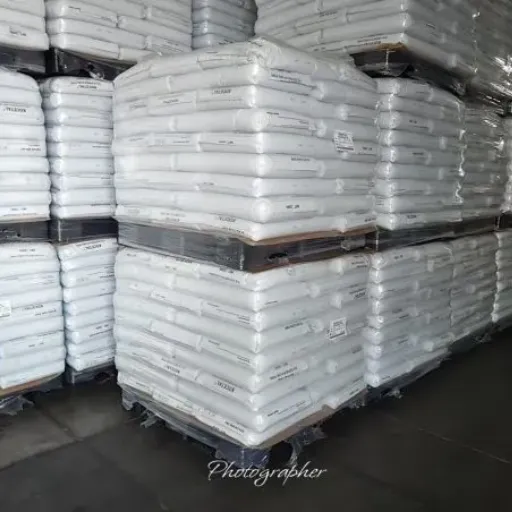
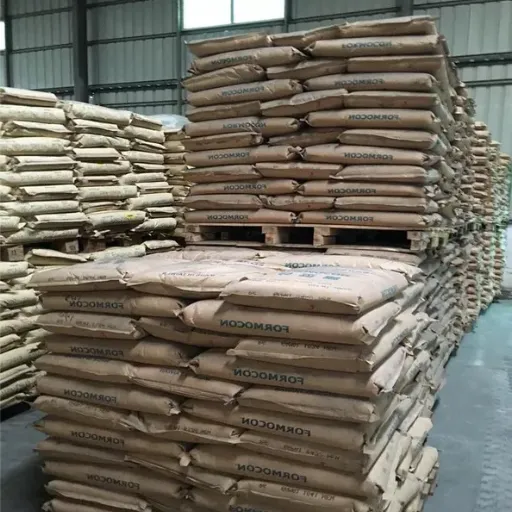
Standard general-purpose ABS is usually sold as natural or pre-colored pellets in 25 kg bags, supersacks, or bulk containers. The price you receive will depend on the grade family, the producer, the quantity you order, and whether the material is delivered ex-warehouse or to your door.
ABS Material Price Range in 2026
The following ranges reflect market conditions for China-based buyers sourcing from authorized distributors in 2026. Prices fluctuate with crude oil, styrene monomer costs, and regional supply-demand balance.
Standard General-Purpose ABS
Price range: 1.40–1.40–1.90 per kg
Common grades: Chi Mei PA-757, LG HI-121H, Formosa Tairilac AG15A1
MOQ: Often 1,000 kg or one pallet
Best for: Appliance housings, toys, consumer goods, interior trim
General-purpose ABS is the benchmark price most buyers see first. It is widely available, and competition among authorized distributors keeps pricing transparent. However, the cheapest quote is not always the most economical when quality documentation and delivery reliability are considered.
High-Impact ABS
Price range: 1.60–1.60–2.10 per kg
Common grades: Chi Mei PA-747S, LG TR-558AI
Best for: Power tools, safety helmets, luggage, appliance liners
Higher rubber content improves toughness but adds raw-material cost. High-impact ABS is typically 10–15% more expensive than general-purpose grades.
Heat-Resistant ABS
Price range: 1.90–1.90–2.50 per kg
Common grades: Chi Mei PA-777B, LG XR-401
Best for: Automotive interiors, hair dryers, coffee makers, HVAC components
Heat-resistant grades use modified SAN resin or additives to raise the heat deflection temperature. This raises both the resin cost and the processing temperature required.
Transparent ABS (MABS)
Price range: 2.40–2.40–3.20 per kg
Common grades: Chi Mei PA-758
Best for: Cosmetic packaging, displays, medical housings
MABS includes methyl methacrylate for optical clarity. The added monomer and tighter quality control make it one of the most expensive standard ABS families.
Flame-Retardant ABS
Price range: 2.20–2.20–3.00 per kg
Common grades: Chi Mei PA-763, SABIC Cycolac flame-retardant grades
Best for: Electrical housings, power supplies, TV and monitor backs
Flame-retardant additives, especially halogen-free systems, increase material cost. Pricing also varies by the required UL94 rating and whether glow-wire ignition testing is needed.
Electroplating ABS
Price range: 2.00–2.00–2.80 per kg
Common grades: Chi Mei PA-726M
Best for: Automotive grille accents, decorative trim, bathroom fixtures
Electroplating grades are formulated for metal-coating adhesion. The price reflects the rubber particle structure and cleanliness requirements needed for successful plating.
What Drives ABS Material Price
Several factors influence the final quoted price beyond the base resin cost. Understanding them helps buyers compare offers fairly and avoid surprises.
1. Raw Material Costs
ABS is made from styrene, acrylonitrile, and butadiene. These monomer prices move with crude oil and petrochemical feedstock markets. When styrene prices rise, ABS prices typically follow with a short lag. In 2026, monomer cost volatility remains the largest driver of month-to-month price changes.
2. Grade and Additives
Specialty grades cost more because they contain additives, modified polymers, or tighter specification windows. Transparent ABS, flame-retardant ABS, and heat-resistant ABS all command premiums over general-purpose grades. Custom colors or additive packages, such as UV stabilization or glass fiber reinforcement, add further cost.
3. Brand and Producer
Globally recognized producers such as Chi Mei Corporation, LG Chem, Formosa Plastics, SABIC, and INEOS have established quality systems and consistent specifications. Their material may be priced slightly higher than lesser-known brands, but the cost difference is often recovered through fewer processing issues and better batch consistency.
4. Order Quantity
Larger orders usually receive lower per-kilogram pricing. A single pallet of 1,000 kg will have a higher unit price than a 10-ton order. Some suppliers also offer contract pricing or scheduled-release programs for buyers with predictable monthly volumes.
5. Packaging and Logistics
Standard 25 kg bags are the default. Supersacks, bulk truckloads, or special export packaging can change both cost and minimum order size. Delivery terms matter too: ex-warehouse, delivered to your factory, or export FOB/CIF each carry different cost structures.
6. Documentation and Certification
Authorized distributors include technical data sheets, certificates of analysis, and origin documentation as part of the standard supply. Some buyers also need REACH, RoHS, UL yellow cards, or food-contact declarations. These certifications require supplier verification and may affect price, especially for smaller orders.
How to Compare ABS Quotes Accurately
When comparing ABS material price quotes, make sure each supplier is offering the same thing. A lower price may reflect a lower grade, less documentation, or unclear delivery terms.
Use this checklist:
Confirm the exact grade and producer. "ABS natural" is not specific enough. The grade code determines the properties.
Check the quantity and packaging. Price per kg changes with order size and bag format.
Verify delivery terms. Ex-warehouse, delivered, or export terms each affect the total landed cost.
Ask for documentation. A TDS and COA should be standard, not optional.
Review payment terms and lead time. Long lead times or unusual payment requirements add risk.
Confirm certification needs. UL94, RoHS, REACH, or food-contact compliance should be stated up front.
When Chen, a procurement manager in Shenzhen, compared two ABS quotes for a new router housing, the first was $0.15 per kg cheaper. On closer inspection, the cheaper quote was for a downgraded recycled-content blend with no UL documentation. The second quote specified a certified flame-retardant grade from an authorized distributor with full COA. The second option cost more per kilogram but protected the product from compliance failures and rework.
Hidden Costs of Cheap ABS
A low per-kilogram price can hide significant downstream costs. Buyers should evaluate the total cost of ownership, not just the invoice price.
Quality Variation
Off-spec or counterfeit ABS can cause processing problems such as poor flow, discoloration, surface defects, and reduced impact strength. These issues increase scrap rates, slow production, and may require tooling adjustments.
Missing Documentation
Without a COA and TDS, quality teams cannot verify incoming material. This creates risk during customer audits and can delay shipments if material is rejected at inspection.
Supply Disruption
Unauthorized brokers may not have stable supply. If a batch fails or demand spikes, they may not be able to deliver replacement material quickly. Authorized distributors with local stock can respond faster.
Warranty and Liability
Using unverified material in safety-critical applications, such as electrical housings or automotive parts, can create liability exposure if the part fails. Certified grades from authorized channels reduce this risk.
Why Source ABS Through an Authorized Distributor
Authorized distributors source directly from resin producers and maintain the documentation chain needed for traceability. For Ailide Polymer customers, this means:
Verified grades from Chi Mei, Formosa Plastics, and other global producers
Technical data sheets and certificates of analysis for every batch
Stable nationwide delivery across China
Export documentation for international buyers
Technical support for grade selection and substitution
If you are comparing ABS material price quotes, ask whether the supplier can provide the full documentation package. The answer often reveals whether the material is coming through authorized channels or gray-market sources. Learn more about protecting your supply chain in our guide to sourcing authentic engineering plastics in China.
ABS Price Trends and Market Outlook
ABS prices follow styrene and butadiene markets closely. In 2026, several factors are shaping the market:
Feedstock volatility: Crude oil and naphtha price swings continue to affect monomer costs.
Automotive demand: Electric vehicle production and interior lightweighting support demand for specialty ABS grades.
Electronics cycles: Consumer electronics demand can tighten or soften ABS supply depending on the quarter.
Sustainability programs: Recycled-content and bio-based ABS options are emerging, though they remain a small share of total volume.
For buyers with recurring ABS needs, contract pricing or scheduled-release agreements can reduce exposure to spot-market swings. Ailide Polymer works with customers to plan inventory and lock in pricing where possible. Contact our team for current pricing and availability.
How to Request an Accurate ABS Quote
The fastest way to get a precise price is to provide your supplier with clear specifications. Include:
Grade or application: If you know the grade, name it. If not, describe the part and operating conditions.
Quantity: State the trial or production volume you need.
Color: Natural, black, white, or custom color matched.
Delivery location: City, province, or export destination.
Required certifications: UL94, RoHS, REACH, food contact, etc.
Intended use: Appliance, automotive, electronics, toy, industrial, etc.
With this information, an authorized distributor can recommend the right grade and provide a price that reflects your actual requirements. Request an ABS quote from Ailide Polymer with your target grade and volume.
ABS vs. Competing Materials on Cost
ABS is often compared with polypropylene (PP), polystyrene (HIPS), and PC/ABS blends. Each has a different cost and performance profile.
| Material | Price Range (per kg) | Key Properties | Typical Applications |
|---|---|---|---|
| General-purpose PP | 1.10–1.10–1.50 | Lightweight, chemically resistant, lower impact | Packaging, appliance interiors, automotive trim |
| HIPS | 1.20–1.20–1.60 | Easy to process, lower impact than ABS | Appliance liners, toys, packaging |
| General-purpose ABS | 1.40–1.40–1.90 | Good impact, surface finish, processability | Housings, consumer goods, automotive trim |
| PC/ABS blend | 2.50–2.50–3.50 | Higher heat and impact resistance | Automotive interiors, electronics, safety equipment |
ABS sits between commodity plastics like PP and HIPS and higher-performance blends like PC/ABS. For many visible housings and impact-sensitive parts, ABS offers the best balance of properties and cost. Explore the full range of ABS grades and pricing on our product page.
Frequently Asked Questions
What is the current ABS material price per kg?
In 2026, standard general-purpose ABS ranges from 1.40to1.40to1.90 per kg in the China market. Specialty grades such as flame-retardant, heat-resistant, or transparent ABS range from 2.20to2.20to3.20 per kg.
Why does ABS price change month to month?
ABS prices move with raw material costs, especially styrene and butadiene, which are tied to oil and petrochemical markets. Seasonal demand from automotive and electronics industries also affects pricing.
Is recycled ABS cheaper than virgin ABS?
Recycled ABS is often lower in price, but quality and consistency vary. Virgin ABS from an authorized distributor provides reliable batch-to-batch performance and full documentation, which many manufacturers require.
What is the minimum order quantity for ABS?
Minimum order quantities vary by grade and supplier. Common MOQs start at one pallet, typically 1,000 kg, for standard grades. Trial quantities may be available for product development.
How can I get the best ABS price?
Provide a clear specification, order in larger quantities where possible, and consider a scheduled-release or volume contract. Working with an authorized distributor also reduces hidden costs from quality issues and documentation gaps.
Conclusion
ABS material price in 2026 ranges widely depending on grade, brand, quantity, and delivery terms. General-purpose ABS remains affordable for high-volume applications, while specialty grades such as flame-retardant, heat-resistant, and transparent ABS command higher prices. The lowest quote is not always the best value when quality variation, missing documentation, and delivery risk are considered.
Key takeaways for buyers:
Specify the exact grade and producer when requesting a quote.
Compare total landed cost, including delivery, packaging, and documentation.
Ask for TDS and COA to verify batch quality.
Consider contract or scheduled-release pricing for recurring needs.
Source through authorized distributors to reduce counterfeit and off-spec risk.
Ailide Polymer supplies certified ABS resin from Chi Mei, Formosa Plastics, and other global producers, with competitive pricing, nationwide delivery, and export support. Contact us for a detailed ABS material price quote based on your grade, quantity, and delivery requirements.
Recently Posted
-
ABS in Automotive Interiors: From Dashboards to Door Panels
September 2, 2026A tier-two supplier once substituted a general-purpose ABS for an automotive-grade ABS on a door trim component to save 4% on resi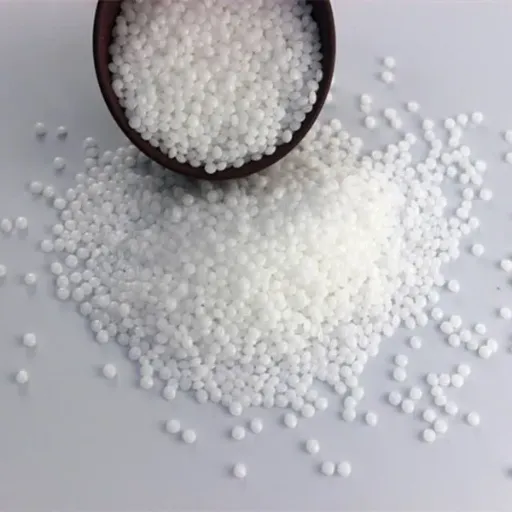 Read More
 -
ABS Flame Retardant Grades and UL 94 Ratings Explained: A Practical Guide for Buyers and Designers
September 2, 2026An electronics manufacturer once submitted a power-supply housing molded from standard ABS to a safety certification test. The mat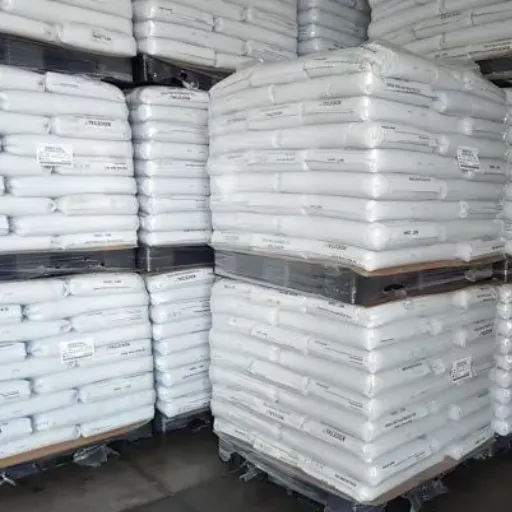 Read More
 -
KOCETAL K300 vs Formosa FM090 vs DURACON M90: Picking the Right Medium-Viscosity POM
September 2, 2026A gear shop in India once ordered a container of acetal copolymer based on a 5% price discount, without checking whether the grade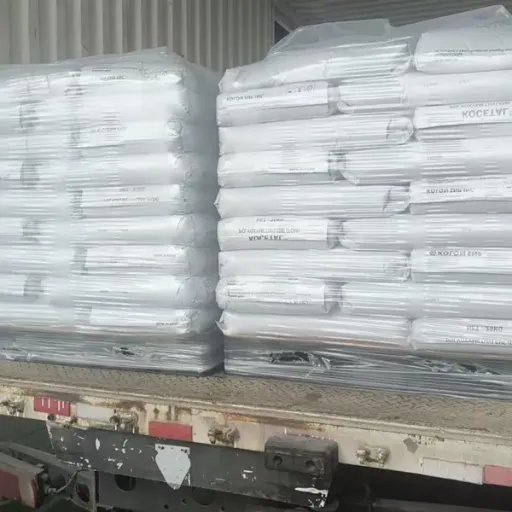 Read More
 -
PP vs PE: Which Polyolefin Resin Fits Your Application?
September 2, 2026A bottle manufacturer once chose HDPE for a hot-fill juice container and watched the bottles distort on the filling line. The mate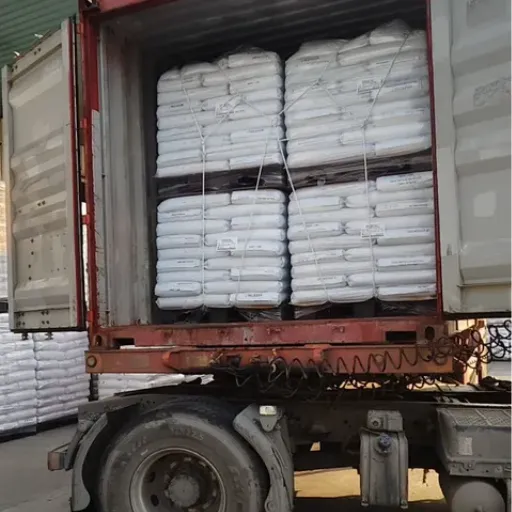 Read More

Contact Us
Recommended Products
-
 Automotive Interior Clip and Door Lock POM K300 Injection Molding Material With Low FrictionNegotiableMOQ: 1 Kilogram
 -
KOCETAL POM K300 Virgin Pellets For Precision Gear Bearing Automotive Latch Water Valve PartsNegotiableMOQ: 1 Kilogram
-
Original Kolon POM K300 Engineering Plastic Wear Resistant Self Lubricating Acetal GranulesNegotiableMOQ: 1 Kilogram
-
Self-Lubricating POM K300 HDT 120°C Wear Resistant Resin With 0.2% Moisture AbsorptionNegotiableMOQ: 1 Kilogram
-
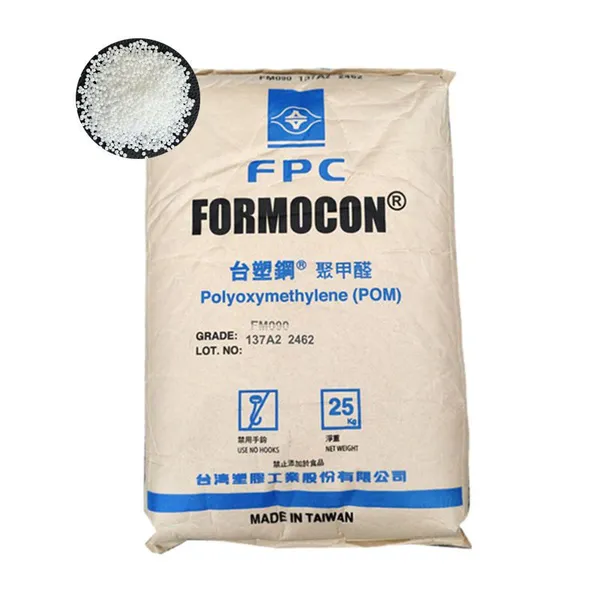
POM FM090AW PTFE Filled Wear Resistant Low Friction Acetal for Silent GearsNegotiableMOQ: 1 Kilogram
-
POM FM090 General Purpose Acetal Copolymer With Excellent MachinabilityNegotiableMOQ: 1 Kilogram
-
POM FM090 Standard Flow Acetal Copolymer Granules for Precision Injection MoldingNegotiableMOQ: 1 Kilogram
-
POM FM090 UV Stabilized Acetal Resin for Outdoor Automotive ComponentsNegotiableMOQ: 1 Kilogram
-
Technical Support Available POM K300 Acetal Copolymer for Precision Injection Molding ServiceNegotiableMOQ: 1 Kilogram
-
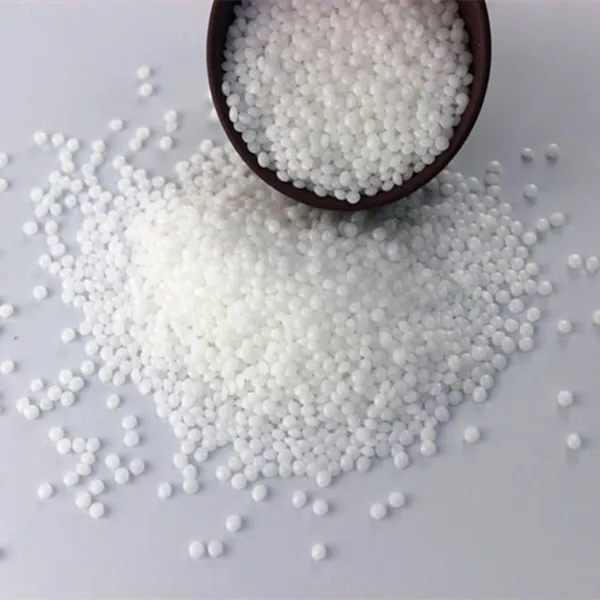
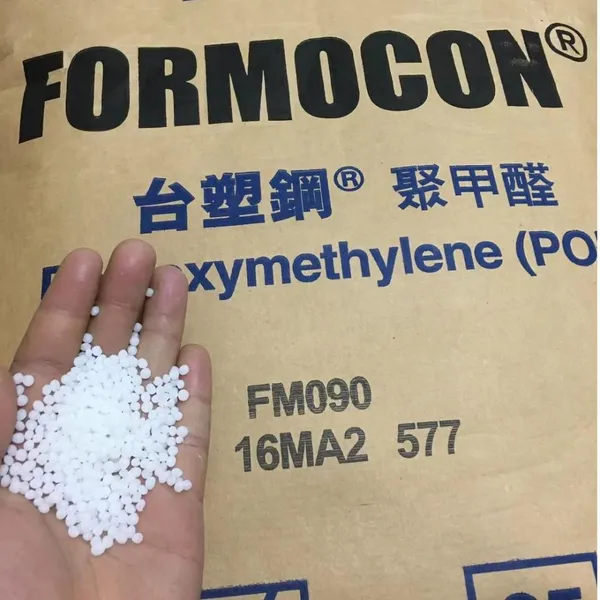
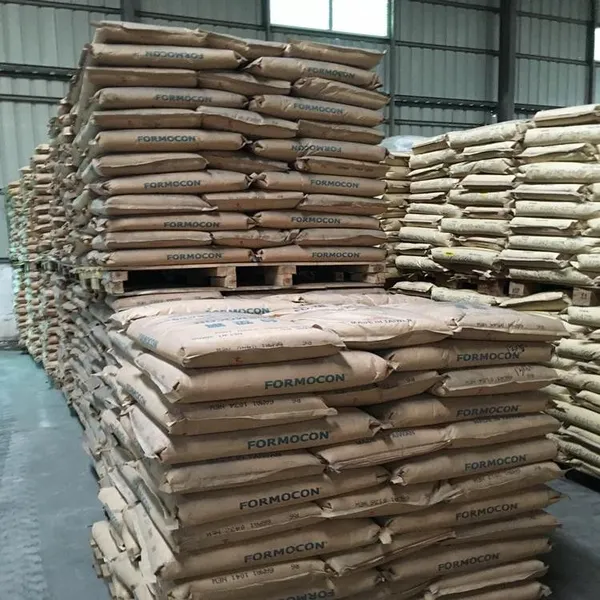
KOCETAL POM K300 Acetal Copolymer MFR 9 G/10min 1.41g/cm³ Tensile Strength 60MPaNegotiableMOQ: 1 Kilogram
-
Factory Price Polyacetal POM Resin FM090 for Engineering ApplicationsNegotiableMOQ: 1 Kilogram
-
High Strength Cheap POM FM090 UV Engineering Plastic for Automotive PartsNegotiableMOQ: 1 Kilogram
-
Virgin POM FM090 Granules Pellets Engineering Plastic Raw MaterialNegotiableMOQ: 1 Kilogram
-
POM K300 Plastic Granules 1.5% Shrinkage Rate 80 Shore D Hardness Stable Injection Molding PerformanceNegotiableMOQ: 1 Kilogram
-
Low Friction Coefficient High Dimensional Stability POM K300 Acetal Copolymer Injection Molding GradeNegotiableMOQ: 1 Kilogram

-
POM K300 Acetal Sheet Used for Automotive Gear Components and Conveyor Chains in Industrial MachineryNegotiableMOQ: 1 Kilogram
-
POM K300 Engineering Plastic Sheet With Melting Point 165°C and Excellent Wear Resistance for MachiningNegotiableMOQ: 1 Kilogram
-
POM K300 Acetal Copolymer Injection Molding Grade With Low Friction Coefficient and High Dimensional StabilityNegotiableMOQ: 1 Kilogram
-
POM K300 Polyoxymethylene Resin MFI 9 Engineering Plastic Granule for Injection MoldingNegotiableMOQ: 1 Kilogram
-
Virgin POM Granules Polyoxymethylene Pellets Manufacturer Direct Price for Injection MoldingNegotiableMOQ: 1 Kilogram