Business License

ABS Supplier China: How to Choose a Reliable Distributor for Your Project
A reliable ABS supplier in China gives you more than a competitive price. The right partner delivers certified ABS resin, full batch documentation, and technical support that keeps your production line running. If you are sourcing ABS for appliance housings, automotive trim, electronics, or consumer goods, your biggest risk is not the price gap between quotes. It is hidden quality problems that show up after the material is already in your molds.
Li Wei, a procurement manager in Ningbo, learned this in 2024. His team saved 6% by switching to a new trader for a 20-ton ABS order. Three weeks later, the incoming inspection showed off-spec melt flow. The material molded with sink marks and color streaks, forcing a 12-day line stoppage. The 6% savings cost him three times that amount in rework, air freight, and a customer penalty.
This guide shows how to find an ABS supplier in China that actually protects your project. You will learn what to look for in a China ABS distributor, which ABS grades matter, what documentation to demand, and how to spot red flags before you place an order. By the end, you will have a practical checklist for ABS material sourcing and qualifying your next ABS plastic supplier.
Ailide Polymer distributes certified ABS resin from global producers through our authorized supplier network in China, so the guidance below reflects how we qualify ABS resin suppliers, inspect lots, and support customers every day.
Key Takeaways
The best ABS supplier in China is an authorized distributor with direct producer relationships, full documentation, and technical support.
Common ABS grades include general-purpose grades such as PA-757 and PA-707, high-impact grades, heat-resistant grades, and transparent or electroplating grades.
Key supplier documents are the technical data sheet (TDS), certificate of analysis (COA), and packing list with matching lot codes.
On-site or remote audits should cover warehouse conditions, storage temperature, lot segregation, and traceability records.
Testing incoming lots for melt flow rate (MFR) and Izod impact catches most off-spec or blended material before it reaches production.
What Makes a Reliable ABS Supplier in China?
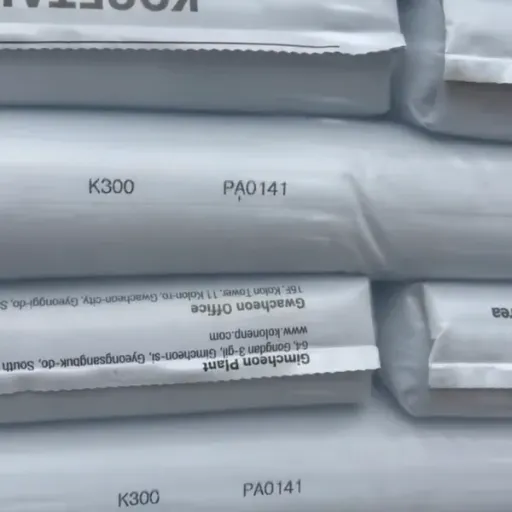
Not every ABS plastic supplier in China operates the same way. Understanding the difference protects your production schedule and your brand reputation.
ABS (acrylonitrile butadiene styrene) is one of the most widely used engineering thermoplastics in China. It is found in appliance housings, automotive interior trim, toys, electronics enclosures, and luggage. Because demand is high, the market attracts everyone from authorized distributors to small traders who repackage material from unclear sources.
A reliable ABS supplier in China does four things consistently:
Sources directly from authorized producers. An authorized ABS distributor buys from producers such as Chi Mei, Formosa Plastics, LG Chem, SABIC, and INEOS. That chain of custody protects you from counterfeit or blended resin.
Provides complete documentation. Every lot should arrive with a TDS, COA, and packing list. Lot codes on the packaging should match the documents.
Offers technical support. The supplier should help you select the right ABS grade for impact strength, heat resistance, surface finish, or processing method.
Maintains stable inventory and logistics. Nationwide warehousing and reliable delivery prevent line stoppages during demand spikes.
When a supplier cannot explain where the resin comes from or refuses to share a COA, treat that as a warning sign. Genuine ABS resin has traceable origins. Mystery material does not.
Common ABS Grades and What They Mean for Buyers
You do not need to be a polymer chemist to buy ABS, but you do need to know which grade family fits your part. Suppliers who push a single grade for every application are not helping you.
| Grade Family | Typical Examples | Best For |
|---|---|---|
| General purpose | Chi Mei PA-757, PA-707 | Appliance housings, toys, consumer goods |
| High impact | Chi Mei PA-747, PA-709 | Luggage, power-tool bodies, helmets |
| Heat resistant | Chi Mei PA-777, Formosa Tairilac AG100 | Automotive interior trim, coffee makers |
| Transparent | Chi Mei PA-758, PA-756S | Displays, cosmetic packaging, light diffusers |
| Electroplating | Chi Mei PA-727 | Grilles, emblems, decorative trim |
| Flame retardant | Various V-0 grades | Electronics housings, sockets, chargers |
Each grade trades off properties. A general-purpose grade gives good surface finish and processability but may soften in a hot car interior. A heat-resistant grade costs more but holds shape at higher service temperatures. A transparent grade looks premium but is softer and scratches more easily.
When Mei Lin, a product engineer in Suzhou, was selecting ABS for a new air purifier housing, her first quote was for a generic high-impact grade. After talking with a technical distributor, she switched to a general-purpose grade with better surface gloss. The part passed drop testing, reduced cycle time by 8%, and eliminated a secondary painting step. The right grade saved cost and improved appearance.
Not sure which ABS grade fits your part? Contact our technical team with your application details and we will recommend a grade with a current TDS.
How to Verify an ABS Supplier in China
Verification is the difference between a one-time cheap buy and a stable ABS material sourcing process. Use this three-layer approach before you commit.
Check Authorization and Company Background
Start with basic due diligence:
Ask whether the supplier is an authorized distributor for the brand it sells. Authorized distributors can show certificates or letters from producers.
Confirm the company name, business license, and registered address. Cross-check against the producer's official distributor list if available.
Review how long the supplier has worked with ABS. A new company with no track record is higher risk than an established distributor.
Ask for references from customers in your industry.
Inspect Documentation for Every Lot
Documents are your first line of defense against off-spec material. Any qualified ABS resin supplier should provide them on request:
Technical Data Sheet (TDS): Official property values from the producer. You can also download official ABS material specifications from our library.
Certificate of Analysis (COA): Test results for the specific lot, including melt flow rate, Izod impact, and sometimes color.
Packing list and invoice: Should show grade, lot number, quantity, and producer.
Lot code matching: The code on the bag must match the COA. Mismatched codes are a red flag.
Audit Storage and Handling
If you can visit the warehouse, check these points:
Material is stored indoors, away from direct sunlight and moisture.
Different grades and lots are clearly segregated.
Bags are intact, with original labels and readable lot codes.
There is no evidence of re-bagging, torn sacks, or handwritten labels.
Even without a site visit, you can ask for warehouse photos or a live video walkthrough. A supplier with nothing to hide will usually accommodate.
Warning Signs of a Risky ABS Supplier
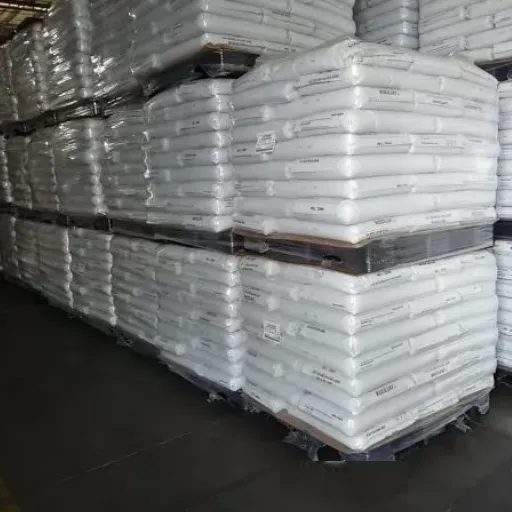
Some problems are obvious only after it is too late. Watch for these signals before you place an order.
Prices far below market. ABS is a commodity-like engineering plastic with transparent pricing. A quote 10-15% below everyone else often means blended, off-spec, or counterfeit material.
No COA or generic documents. A supplier that offers only a product description or a generic TDS is not providing traceability.
Refusal to share producer authorization. Authorized distributors are proud of their partnerships. Secrecy is a bad sign.
Vague lot codes or re-bagged material. Original bags from producers have consistent labeling. Re-bagged material can hide origins.
No technical support. If the sales team cannot explain grade differences, they are unlikely to help when a processing issue arises.
When Zhang Hao, a buyer for an export-oriented appliance factory in Guangdong, received a quote 12% below market for a Chi Mei grade, he asked for the COA before payment. The supplier sent a blurry PDF with a lot code that did not match the bag photo. Zhang Hao stopped the order. A later industry check confirmed that lot code did not exist in the producer's system. The documentation test saved his factory from a potential recall.
For a broader procurement framework, see our guide to sourcing authentic engineering plastics in China.
Testing Incoming ABS Lots
Even with a trusted ABS supplier in China, incoming testing protects you. Ailide Polymer's quality assurance program includes lot verification, and we recommend that every buyer runs two simple tests that catch most issues:
Melt Flow Rate (MFR). MFR measures how easily the resin flows when melted. Each grade has a target range. A shifted MFR suggests blended material, regrind, or degraded resin.
Izod Impact Strength. This test checks toughness. A lower-than-spec value means the butadiene rubber phase may be degraded or diluted.
For critical applications, add color measurement, tensile testing, and heat deflection temperature. Many manufacturers keep a retained sample from each approved lot for comparison.
Comparing ABS Suppliers: Price vs. Total Cost
The lowest price is rarely the lowest cost. A useful comparison includes:
| Factor | Low-Cost Trader | Authorized Distributor |
|---|---|---|
| Price per kg | Often lower | Market rate |
| Documentation | Limited or none | TDS, COA, traceable lot |
| Technical support | Minimal | Grade selection, processing help |
| Quality consistency | Variable | Batch-to-batch stable |
| Risk of line stoppage | Higher | Lower |
| Total cost of ownership | Often higher due to defects | Predictable |
When you run the numbers across a full year, the authorized distributor usually wins. Defects, delays, and customer complaints cost far more than the per-kilogram savings.
ABS Supply Trends and Lead Times in China
China is both a major producer and consumer of ABS resin. Domestic plants from producers such as CNPC, Sinopec, and Zhenjiang Chimei supply a large share of the market, while imported grades from Taiwan, Korea, and the Middle East fill specialty needs.
Lead times vary by grade and market conditions:
Standard general-purpose grades: usually 1-2 weeks from domestic stock.
Imported specialty grades: 3-6 weeks depending on port and customs.
Tight markets: During high-demand periods, lead times can stretch and prices become volatile.
A good supplier will warn you ahead of tight supply and help you plan inventory. A trader will simply tell you the price went up after you already committed to a customer delivery date.
Frequently Asked Questions
What is the best ABS supplier in China?
The best ABS supplier for your project is an authorized distributor that sources directly from producers such as Chi Mei, Formosa Plastics, LG Chem, SABIC, or INEOS, provides full documentation, and offers technical support. The right choice depends on your grade, volume, and delivery requirements.
How do I verify an ABS supplier in China?
Check authorization letters, business licenses, and producer distributor lists. Demand a TDS and COA for every lot, verify that lot codes match, and audit storage conditions or request warehouse photos.
What documents should an ABS supplier provide?
A qualified supplier should provide a technical data sheet (TDS), certificate of analysis (COA), packing list, and invoice with matching lot numbers for each shipment.
What are the most common ABS grades in China?
Common grades include Chi Mei PA-757 and PA-707 for general purpose, PA-747 for high impact, PA-777 for heat resistance, PA-758 for transparency, and PA-727 for electroplating.
How can I test ABS resin quality?
Start with melt flow rate (MFR) and Izod impact testing. Compare results against the producer's TDS range. For critical parts, add tensile strength, heat deflection temperature, and color measurement.
Conclusion
Choosing an ABS supplier in China is a supply-chain decision, not just a purchasing decision. Keep these points in mind:
Work with an authorized distributor that sources directly from recognized producers.
Match the ABS grade to your application's impact, heat, surface, and processing requirements.
Demand complete documentation for every lot and verify lot codes.
Watch for warning signs such as prices far below market, missing COAs, and re-bagged material.
Run incoming tests on MFR and impact to catch quality issues before production.
Your next step is to shortlist suppliers, request TDS and COA samples, and run a small trial batch before scaling. The time you spend on qualification pays back many times over in fewer defects, fewer delays, and stronger customer relationships.
Request a quote for certified ABS resin and our team will share current pricing, lead times, and the technical data sheet for your target grade. Working with the right ABS supplier in China makes every shipment more predictable.
Recently Posted
-
ABS in Automotive Interiors: From Dashboards to Door Panels
September 2, 2026A tier-two supplier once substituted a general-purpose ABS for an automotive-grade ABS on a door trim component to save 4% on resi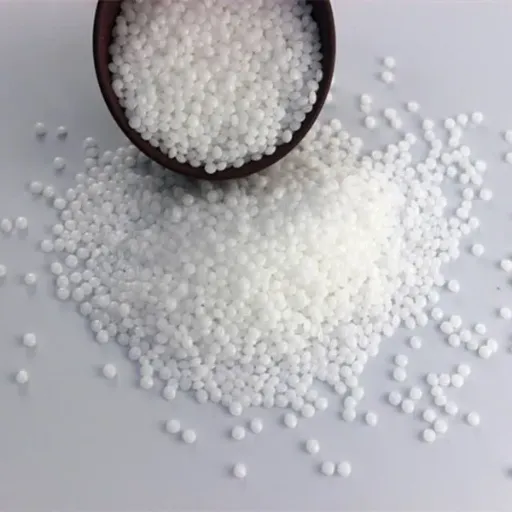 Read More
 -
ABS Flame Retardant Grades and UL 94 Ratings Explained: A Practical Guide for Buyers and Designers
September 2, 2026An electronics manufacturer once submitted a power-supply housing molded from standard ABS to a safety certification test. The mat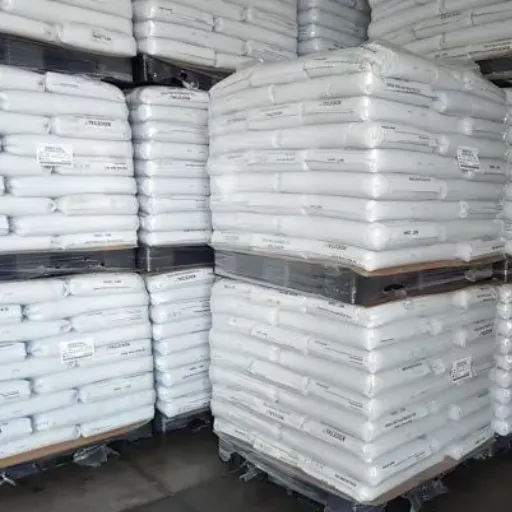 Read More
 -
KOCETAL K300 vs Formosa FM090 vs DURACON M90: Picking the Right Medium-Viscosity POM
September 2, 2026A gear shop in India once ordered a container of acetal copolymer based on a 5% price discount, without checking whether the grade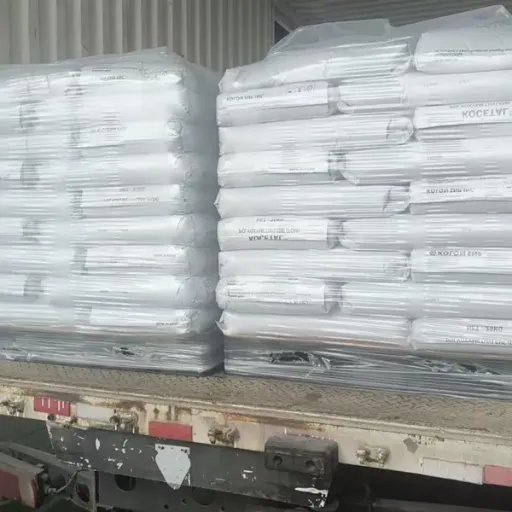 Read More
 -
PP vs PE: Which Polyolefin Resin Fits Your Application?
September 2, 2026A bottle manufacturer once chose HDPE for a hot-fill juice container and watched the bottles distort on the filling line. The mate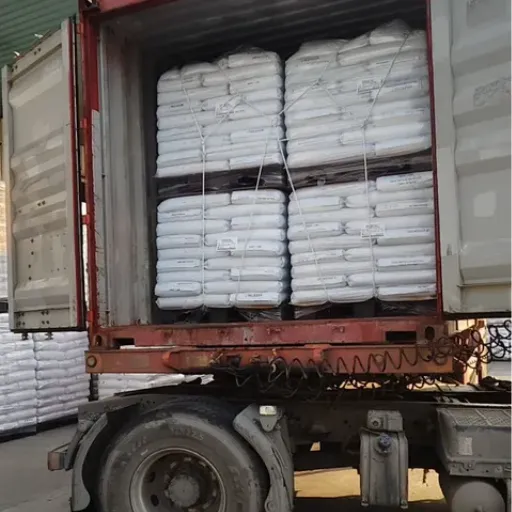 Read More

Contact Us
Recommended Products
-
 Automotive Interior Clip and Door Lock POM K300 Injection Molding Material With Low FrictionNegotiableMOQ: 1 Kilogram
 -
KOCETAL POM K300 Virgin Pellets For Precision Gear Bearing Automotive Latch Water Valve PartsNegotiableMOQ: 1 Kilogram
-
Original Kolon POM K300 Engineering Plastic Wear Resistant Self Lubricating Acetal GranulesNegotiableMOQ: 1 Kilogram
-
Self-Lubricating POM K300 HDT 120°C Wear Resistant Resin With 0.2% Moisture AbsorptionNegotiableMOQ: 1 Kilogram
-
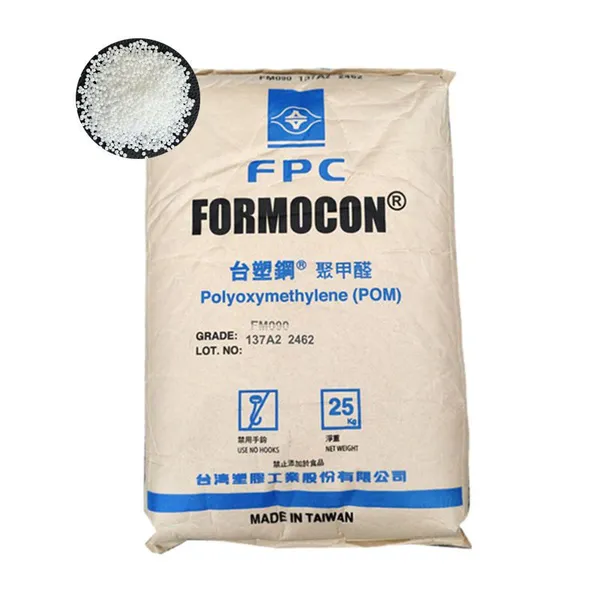
POM FM090AW PTFE Filled Wear Resistant Low Friction Acetal for Silent GearsNegotiableMOQ: 1 Kilogram
-
POM FM090 General Purpose Acetal Copolymer With Excellent MachinabilityNegotiableMOQ: 1 Kilogram
-
POM FM090 Standard Flow Acetal Copolymer Granules for Precision Injection MoldingNegotiableMOQ: 1 Kilogram
-
POM FM090 UV Stabilized Acetal Resin for Outdoor Automotive ComponentsNegotiableMOQ: 1 Kilogram
-
Technical Support Available POM K300 Acetal Copolymer for Precision Injection Molding ServiceNegotiableMOQ: 1 Kilogram
-
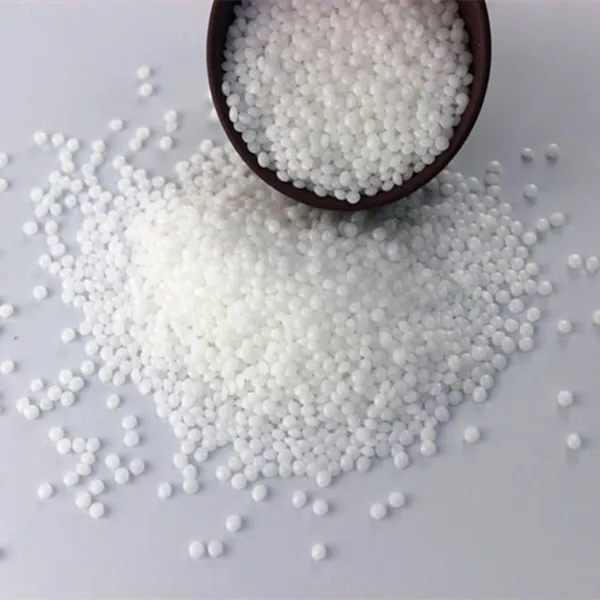
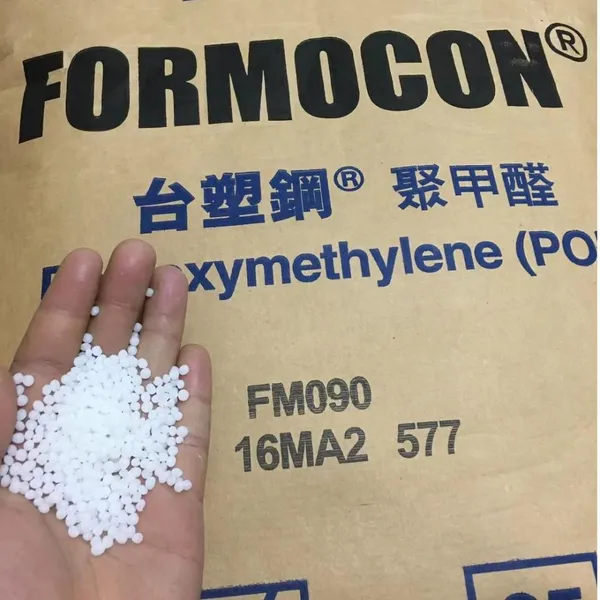
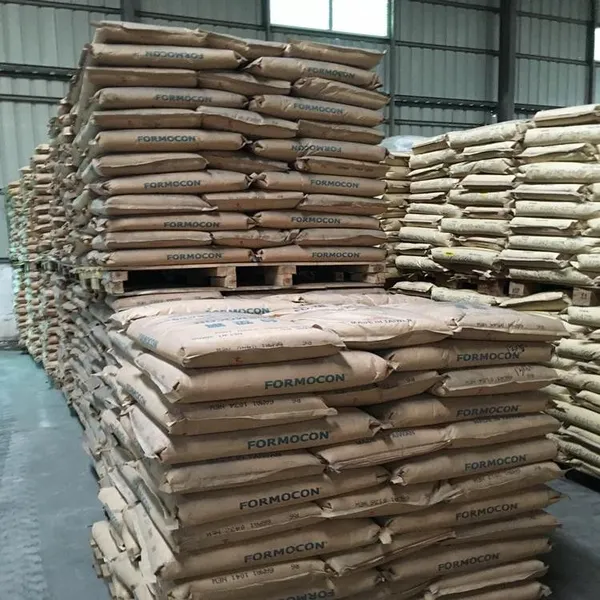
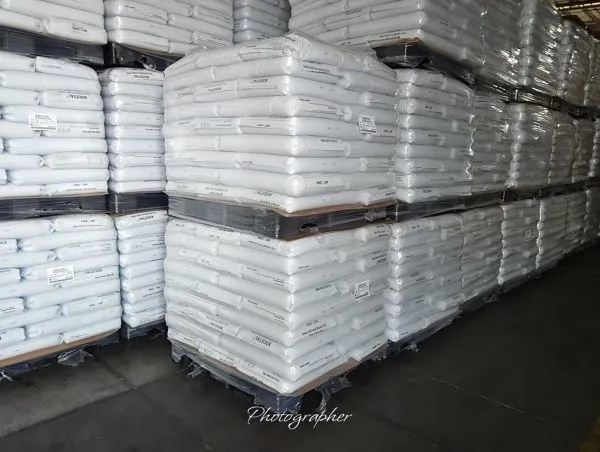
KOCETAL POM K300 Acetal Copolymer MFR 9 G/10min 1.41g/cm³ Tensile Strength 60MPaNegotiableMOQ: 1 Kilogram
-
Factory Price Polyacetal POM Resin FM090 for Engineering ApplicationsNegotiableMOQ: 1 Kilogram
-
High Strength Cheap POM FM090 UV Engineering Plastic for Automotive PartsNegotiableMOQ: 1 Kilogram
-
Virgin POM FM090 Granules Pellets Engineering Plastic Raw MaterialNegotiableMOQ: 1 Kilogram
-
POM K300 Plastic Granules 1.5% Shrinkage Rate 80 Shore D Hardness Stable Injection Molding PerformanceNegotiableMOQ: 1 Kilogram
-
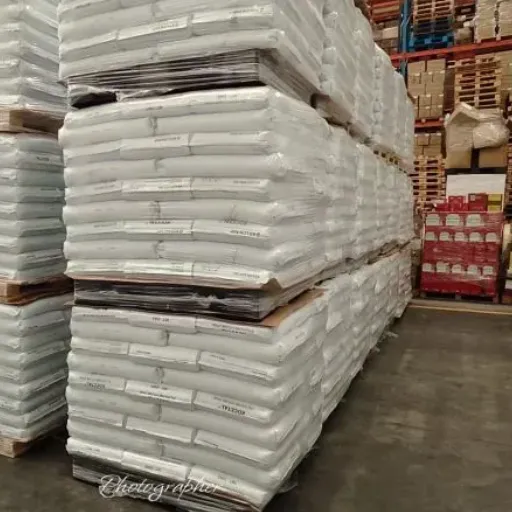
Low Friction Coefficient High Dimensional Stability POM K300 Acetal Copolymer Injection Molding GradeNegotiableMOQ: 1 Kilogram

-
POM K300 Acetal Sheet Used for Automotive Gear Components and Conveyor Chains in Industrial MachineryNegotiableMOQ: 1 Kilogram
-
POM K300 Engineering Plastic Sheet With Melting Point 165°C and Excellent Wear Resistance for MachiningNegotiableMOQ: 1 Kilogram
-
POM K300 Acetal Copolymer Injection Molding Grade With Low Friction Coefficient and High Dimensional StabilityNegotiableMOQ: 1 Kilogram
-
POM K300 Polyoxymethylene Resin MFI 9 Engineering Plastic Granule for Injection MoldingNegotiableMOQ: 1 Kilogram
-
Virgin POM Granules Polyoxymethylene Pellets Manufacturer Direct Price for Injection MoldingNegotiableMOQ: 1 Kilogram